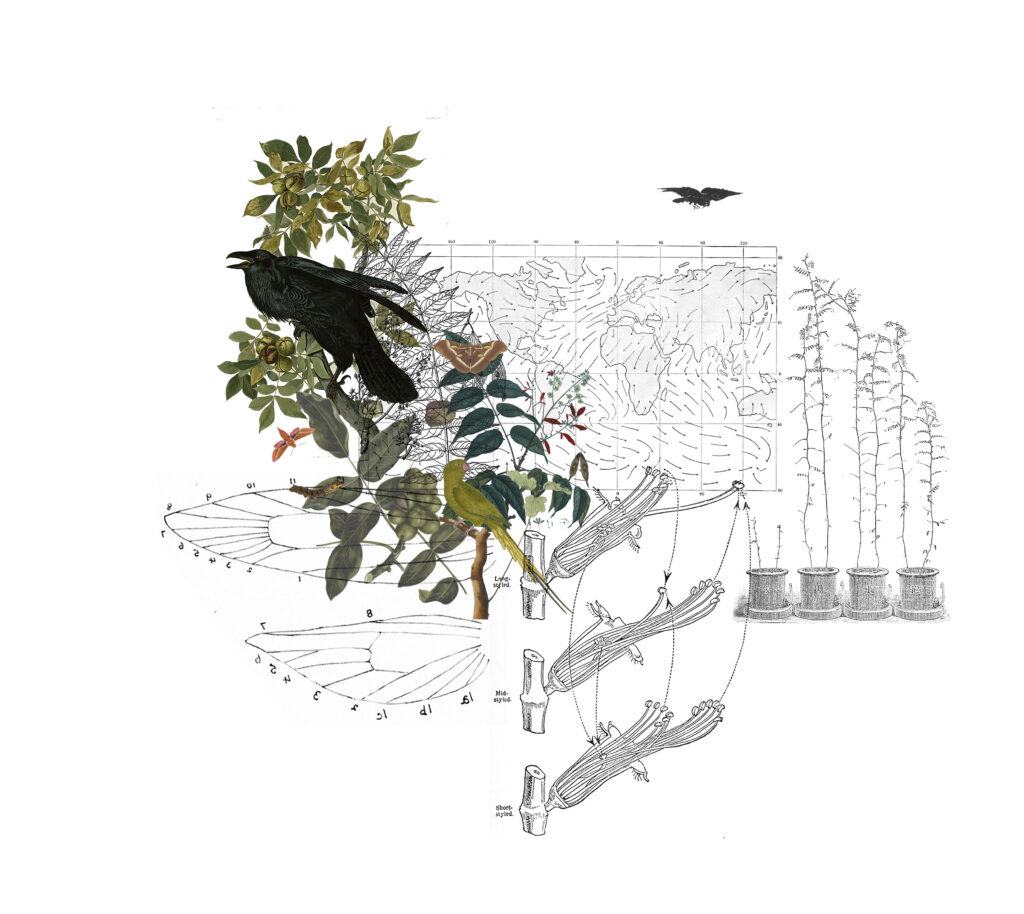
The cultural shift towards using materials and energy that are contained within planetary boundaries requires a reconsideration of the most fundamental assumptions about how buildings interact with the world.
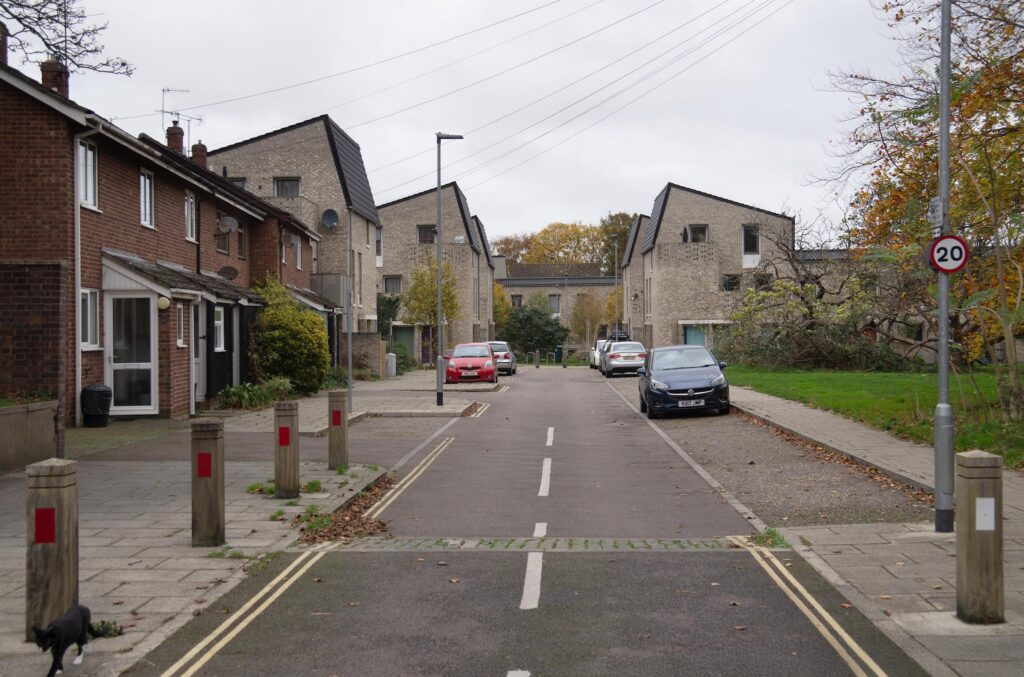
In the UK, a number of councils have adopted the passive house method in order to realise their growing ambitions in the housing sector. Could this also lead to an increase in spatial quality?
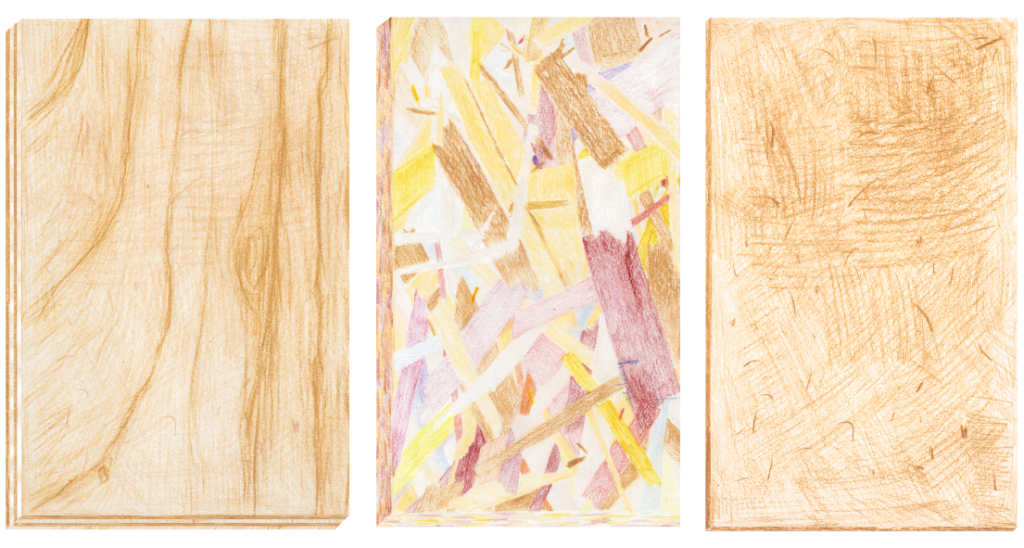
Authors traced the bigger processes that are connected to the production of engineered wood - these materials are produced from industry leftovers, but also from trees that are cut for that purpose only.
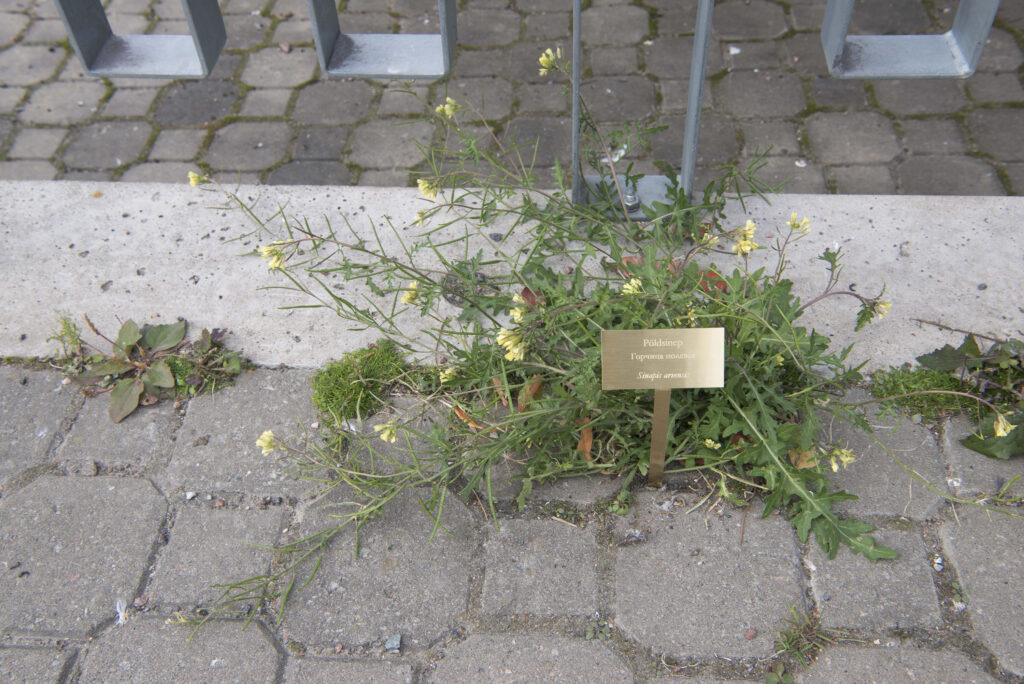
In addition to being home to trees, cities or urban environments are also home to 70% of the Estonian population—are these people not entitled to clean air as a human right?
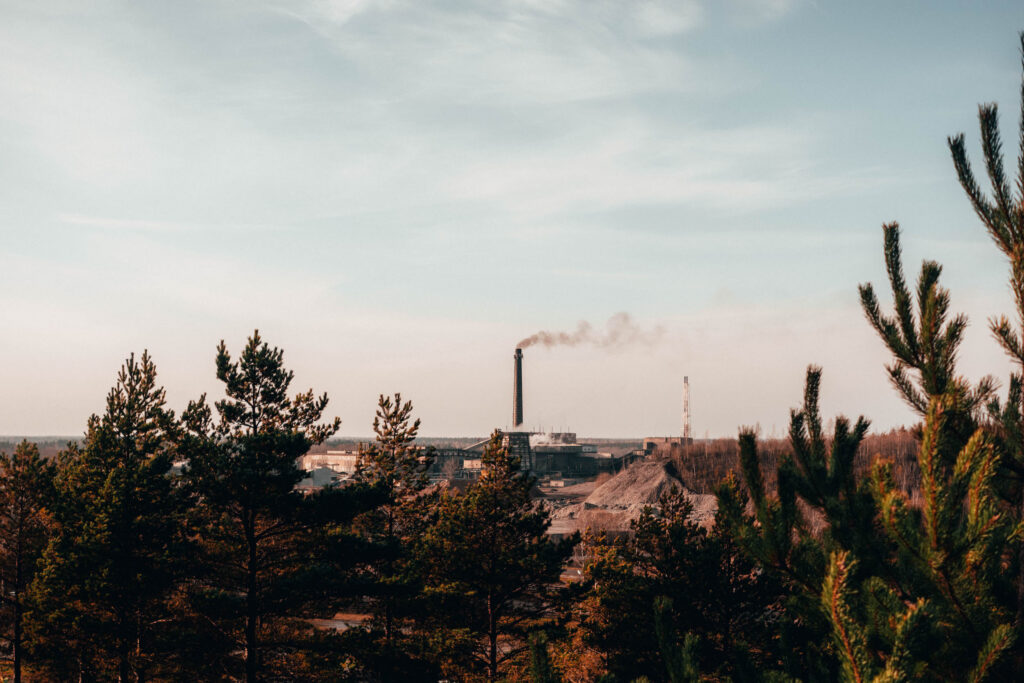
Hence the main question of this article: what power does stench have? And who gets to feel the stench? Who talks about the stench? Who gets to decide where it stinks?
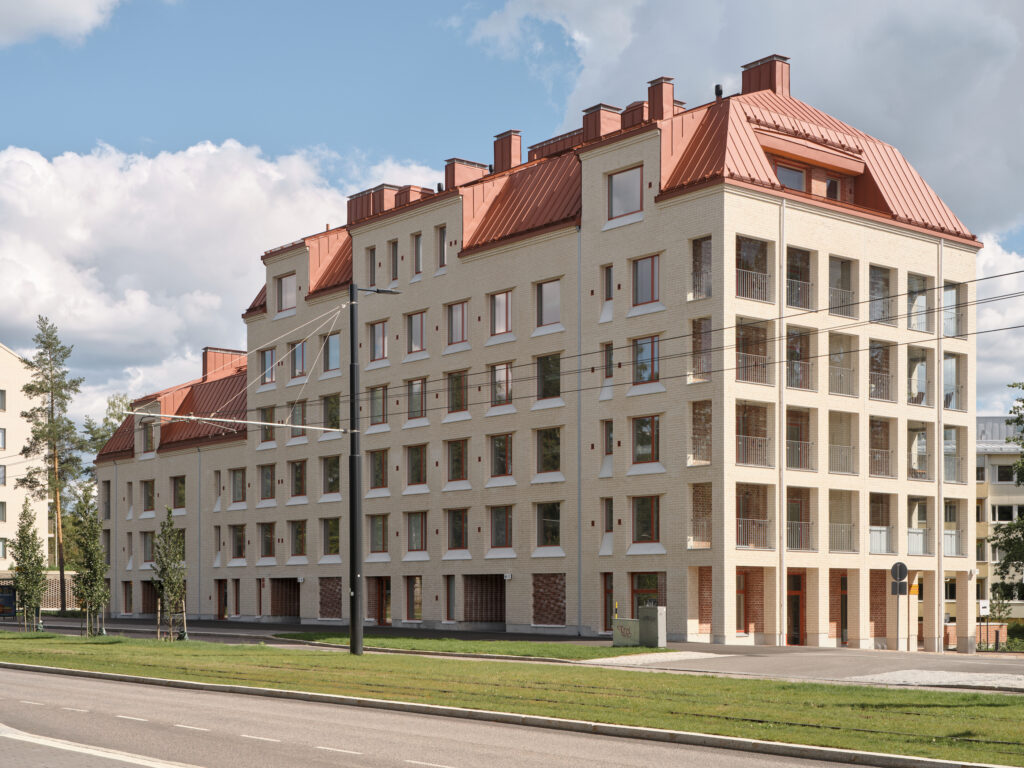
With its solid brick walls, Helsingin Muurarimestari, an apartment building designed by Avarrus Architects, is generous to tradition, but decidedly modern, writes Leonard Ma.
Roland Reemaa interviews Eva Gusel, one of the authors of the project +/– 1 °C: In Search of Well- Tempered Architecture, that represented Slovenia at the 18th International Architecture Exhibiton in Venice.