PILVEMETS
Type: Exposition area of Tallinn Zoo
Location: Tallinn, Estonia
Landscape architecture: Eneli Niinepuu (Sala Terrena), Jaan Mettik (Tallinna Botaanikaaed), Ragne Sauman (ConArte)
Architectural consultation: Riin Kersalu (Kersalu projektbüroo)
Exhibition area: 900 m2
Building architecture: ConArte (Martin Lepplaan, Andres Rihe)
Building area: 2251 m2
Client: Tallinna Linnavalitsus
Animals: Tõnis Tasane
Irrigation systems: SA & PO Grupp
Project: 2016
Completed: 2023
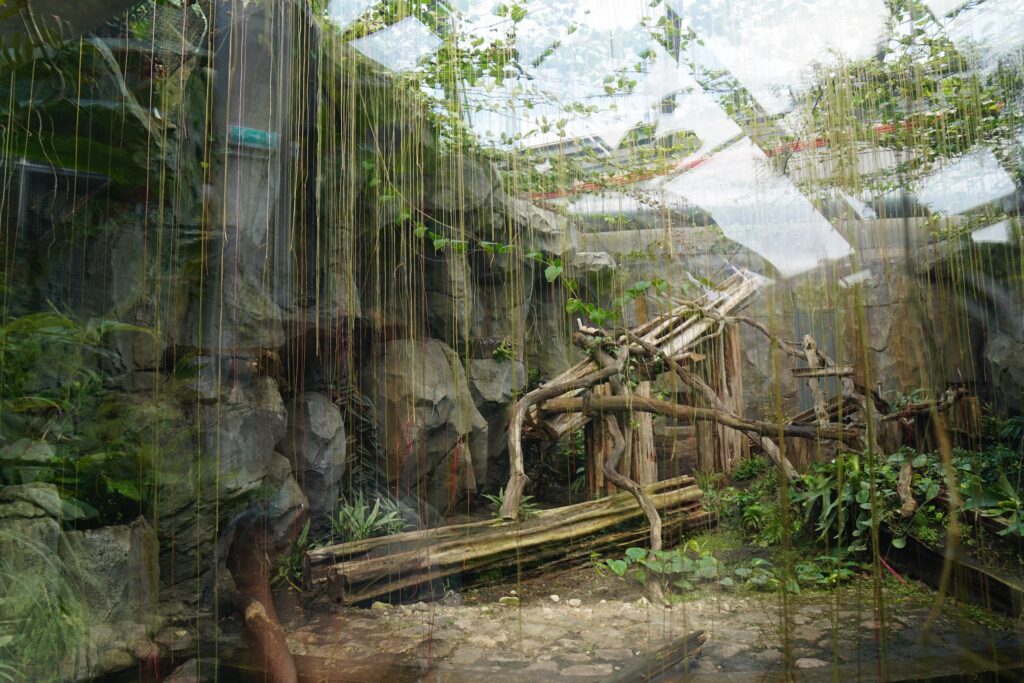
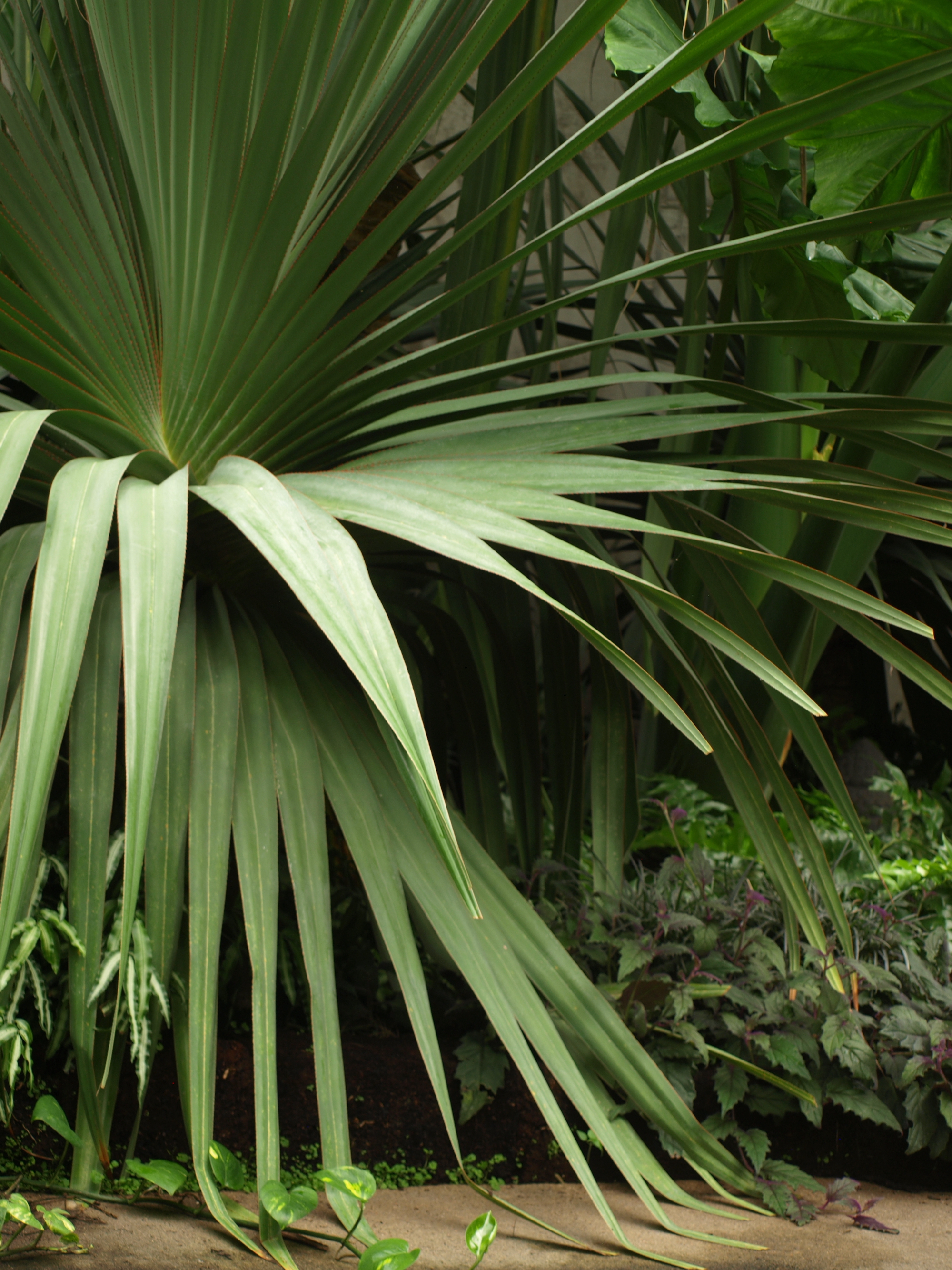
In a simulacrum of a Southeast Asian rainforest, technology enables precisely those animals and plants included in the exposition (!) to create their own little worlds. Neither the otter nor the binturong nor the plane tree nor silver pheasant Joosep is there merely as a consumer of its environment; their interrelationship transforms, but also recreates that very environment—a scene that I am able to pass through.
Just before Christmas, on one of the greyest, foggiest days of December, I happened to wander at the Southeast Asian Rainforest exhibition of Tallinn Zoo concurrently with an unknown group of Christmas party attendants. The otters were having fun (?) and the guide noted that otters are easy to identify with, for their play and manner of being are similar to ours. They are very lively and curious. Certain other animals supposedly express their state of well-being in a way that makes the visitors think they are clearly depressed. Indeed, otters move around fast and with determination. They swim around and they fight. Quick as lightning, they are on the tail of the zookeeper who brings food to the binturong living above them. Afterwards, they return to their pond to finish their dinner (shrimp and tomatoes). All the nearby smartphones record the otters’ munching and elegant dives.
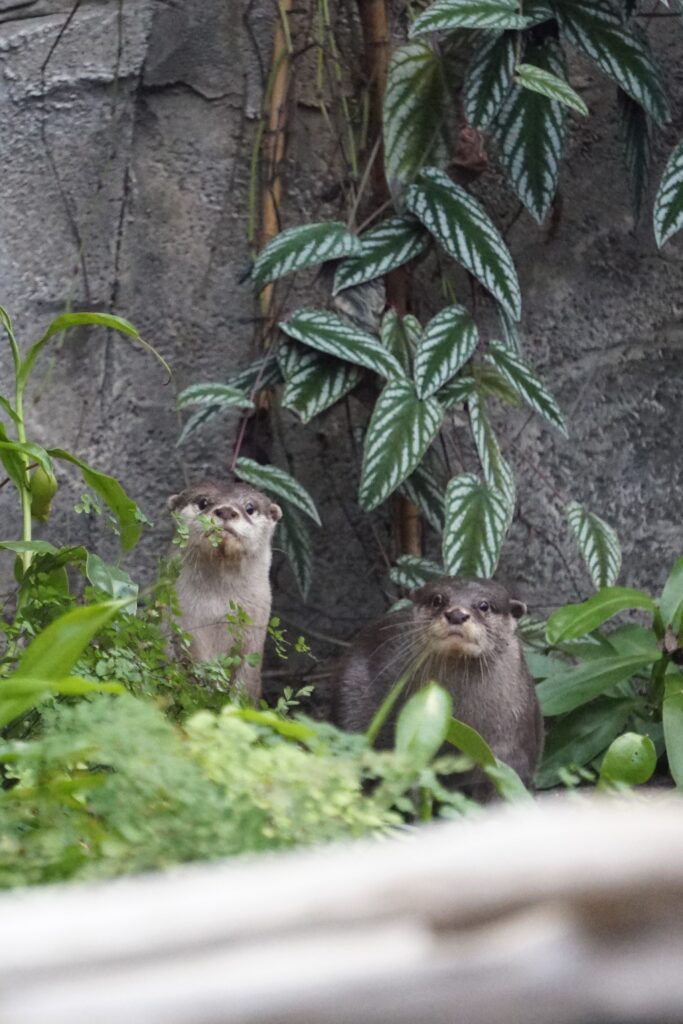
Photo: Inari Leiman
I continue to think about identifying with otters as I head through the empty and darkened zoo towards the exit, as I wait for the bus on Paldiski Street, and later on as I sit on that bus and watch the people around me. A boy of about eight whispers commands to his phone to play a game. Others stare ardently at their glowing screens while typing enigmatic messages or reading the news. A few people stare blankly ahead. In the aforementioned simulacrum of Southeast Asian rainforest, modern technology does its best to support the well-being of precisely the animals living there, but is it the same with technology and the space around me? I watch a video with otters and post images of silver pheasant Joosep walking around freely in the exhibition area. ‘Like’, ‘like’, ‘like’.
If an otter was writing these lines, how would they describe that view from the bus window? As animal ecologist Tuul Sepp points out in her book Creative Animals in a Changing World, it can be very useful to look at the environment through the eyes of an animal. Paradoxically, similarities between the behaviour of humans and other animals are often used (only) to justify foolish deeds and violence. Conversely, deep ecologist Arne Næss calls us to pay attention to the social conditions in which emotions develop and learn to perceive other living beings as our genuine peers with a need for self-development.1
MADLI KALJUSTE is an architect who is currently fascinated by plants, birds, and stones, as well as words and relationships. She is trying to find out more about them all. Madli is also an editor of Maja.
HEADER photo by Inari Leiman
PUBLISHED: MAJA 4-2024 (118) with main topic AIR
1 Arne Næss, Elufilosoofia (Ilmamaa, 2023), p. 141 [translation of: Arne Næss, Life’s Philosophy: Reason and Feeling in a Deeper World (University of Georgia Press, 2002)]