MEDIATION
In contemporary discourse, the term 'infrastructure' typically conjures images of roads, bridges, and utilities—physical systems essential to the functioning of our societies. However, the concept of infrastructure can be extended beyond its tangible form to encompass networks of care, healing, and empathy. As a community initiative, an ‘infrastructure of care’ transcends mere functionality, weaving connections that nurture the human spirit and foster collective healing.
‘Crystal Computing (Google Inc., St. Ghislain)’ is a video-based investigation of Google’s data centre in Saint-Ghislain, Belgium.
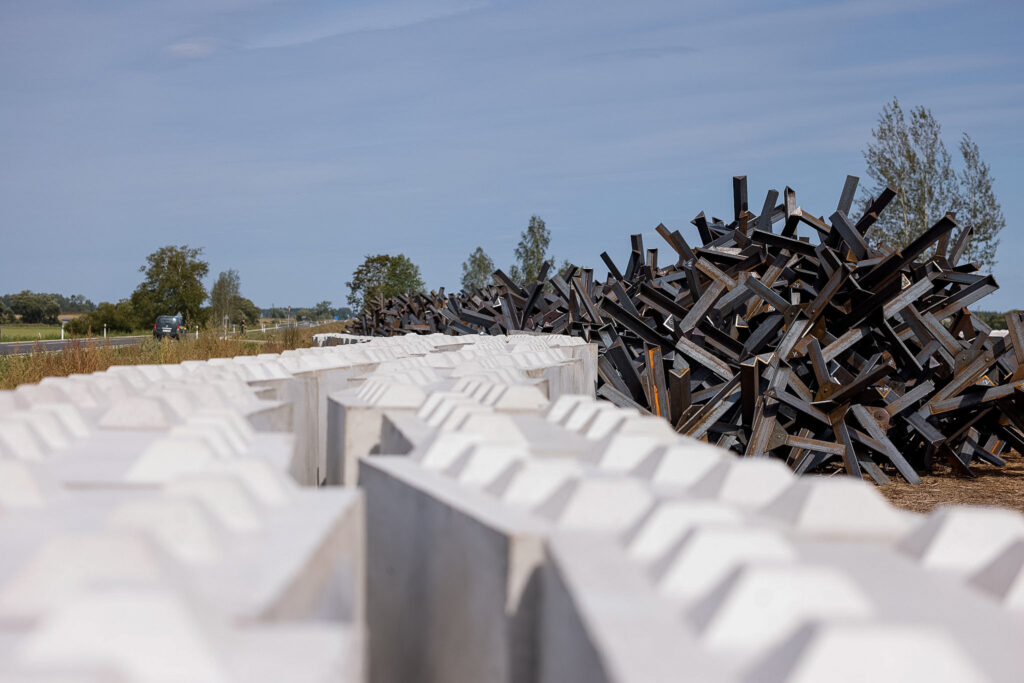
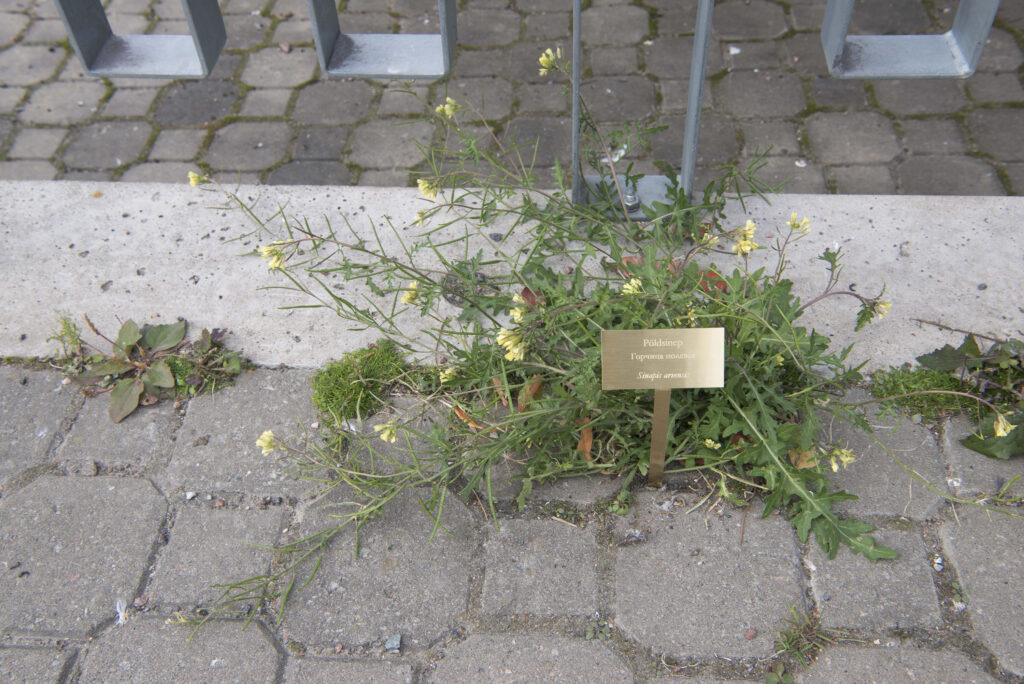
Photo essay about man-made infrastructure that shapes our public spaces.
But how do these pillars grow anyway? Where should you move the sum that you have collected so that it could at the very least keep up with the inflation? And what role are these savings of mine currently playing in world affairs?
‘… when humanists accuse people of “treating humans like objects”, they are thoroughly unaware that they are treating objects unfairly.’ Bruno Latour
In the end of April, I was contacted by an old acquaintance who usually shops at Szolnok supermarket. According to his description of the situation, all the cashiers had been laid off and you can now pay only at self-checkouts. Since Rimi also saves on having a consultant or helper present, many older people feel extremely uncomfortable, not to say humiliated.
Jakob D’herde explores homemaking in one’s later life by drawing upon the findings of his socio-spatial doctoral research project ‘Living (at) Home: On Older People’s Making of Home and Dignity’. He argues that homemaking is a continuous negotiation process between a dwelling and a person’s image of home. When this negotiation is successful, the home and dwelling can be conflated into what he calls the househome.
How should we understand age? Or old age? In some cases, it is perceived as a value—something good, like in wines that improve over time. Old cities and old works of architecture likewise comprise a number of values that new-made ones can lack, and even in people, it is generally taken to be a positive thing that they become wiser, more mature, and more experienced with age.
This piece by geologist Rein Einasto and engineer Hubert Matve was first published in newspaper Sirp ja Vasar on the 13th of July, 1987. Forty years later, Rein Einasto maintains that sustainable and multifaceted use of local stone is a necessity without an alternative, and a wide open road of possibilities.
Artist Helena Keskküla wanted to work on stone as she tracked stone-related episodes in the text and illustrations of The Kalevide, and looked for connections between stone and Estonianness.
Postitused otsas
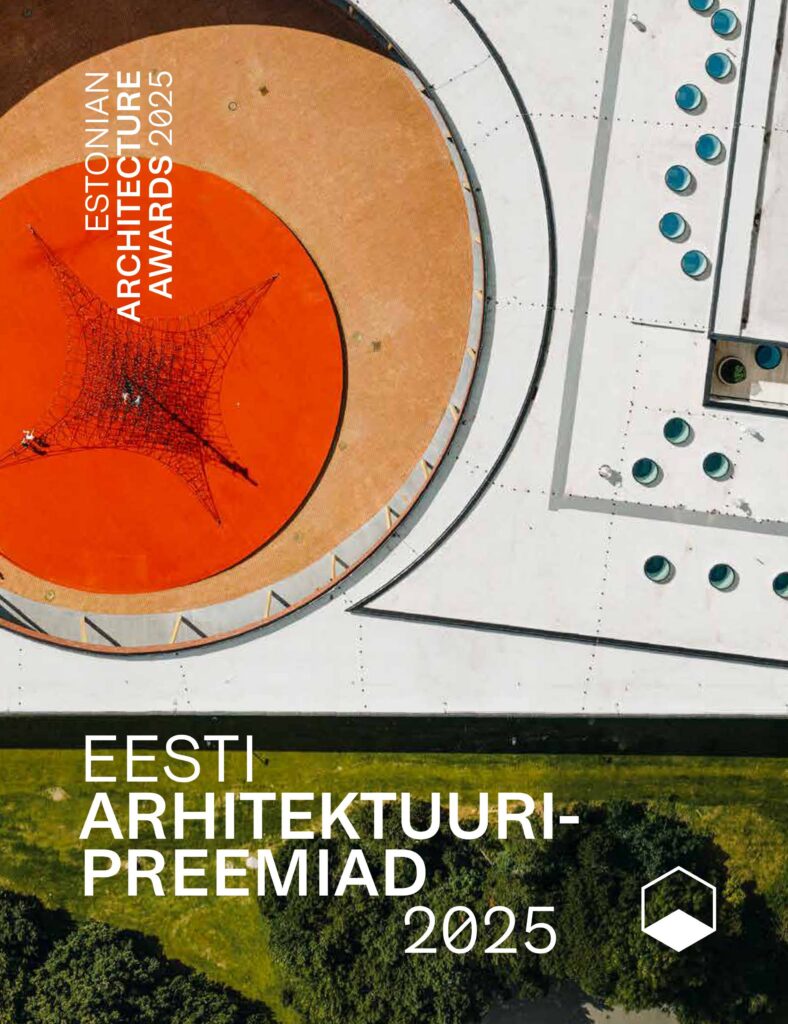
ARCHITECTURE AWARDS