(URBAN)LANDSCAPE

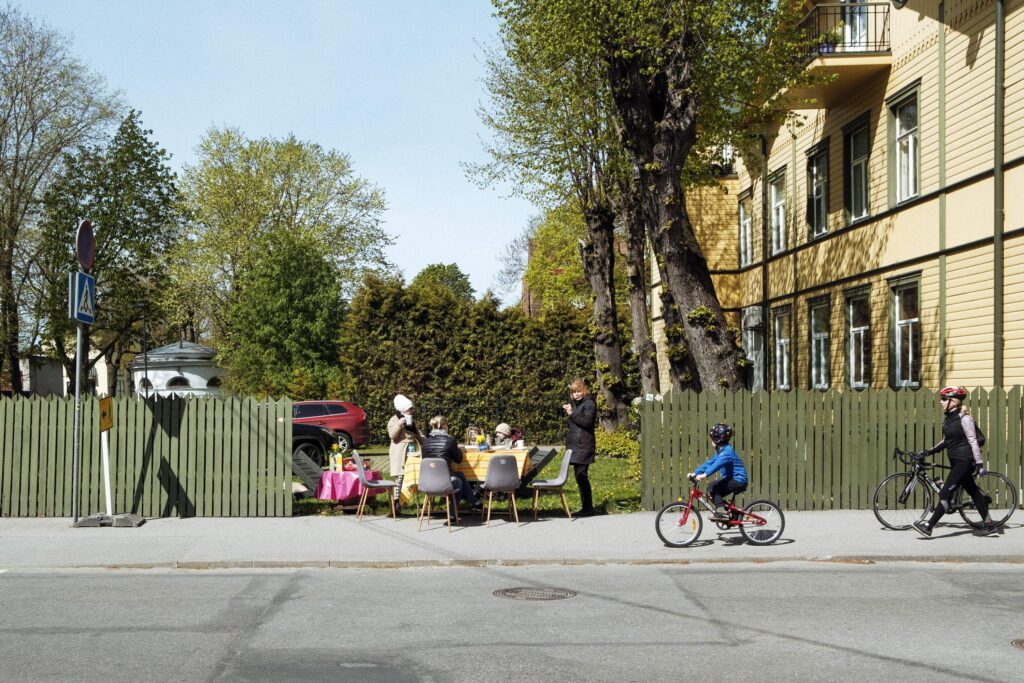
In Tallinn, we have had quite a lot of good visions for the future: development plans, studies, and strategies. Yet, we have not acted according to these ideas which has resulted in a different environment than envisioned—especially if we look at our mobility and the quality of public spaces. Our colleagues in Vilnius have created a simple street manual and it seems that they are successful at implementing it. We gathered Jonas and Anton from Vilnius to find out how they have done it.
There is a lot of talk about Pollinator Highway but what exactly is it, where it is located and what is its purpose?
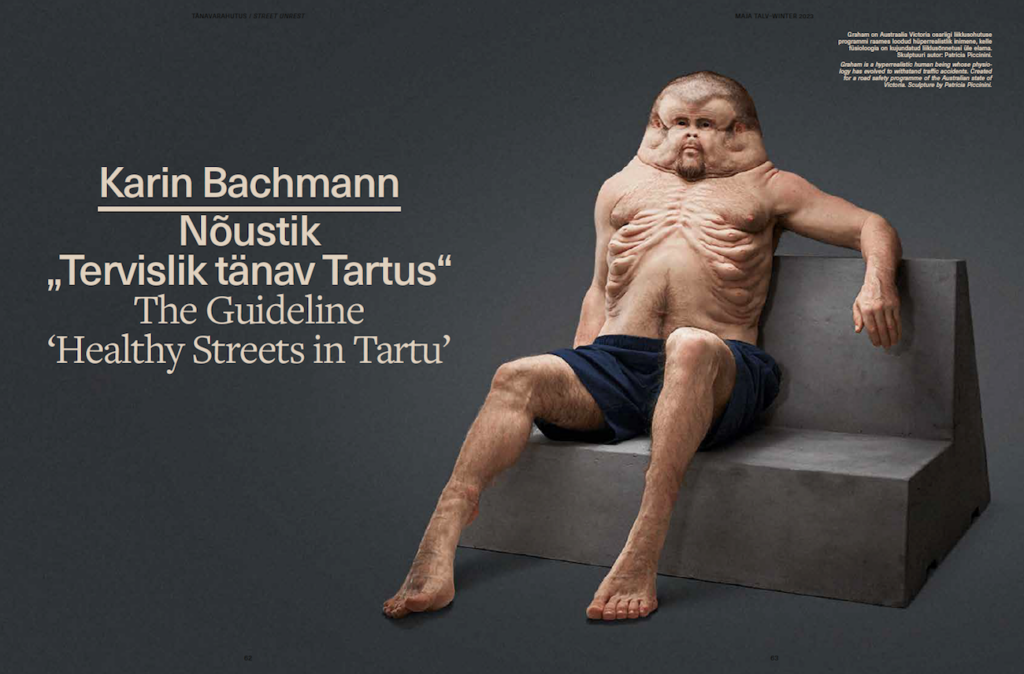
Healthy Streets in Tartu is a guideline providing help for city officials or specialists working on spatial design.
It is no news to architects and real estate developers that the design of a new spatial environment usually begins with parking spaces as if it was the fundamental value. More and more practitioners, however, complain about the outdated mindset related to parking norms and the need for a new approach allowing to implement more sustainable decisions. Tartu city architect and the head of the spatial design department Tõnis Arjus discusses the city’s new ambitious online app considering the parking spaces according to the actual need.
Thinking of design as a service means bringing into focus the user and user needs. The impact of user-specificity is steadily increasing in how the processes of spatial design are approached. Ave Habakuk from the Living Street movement writes about how to think of the street as a service.
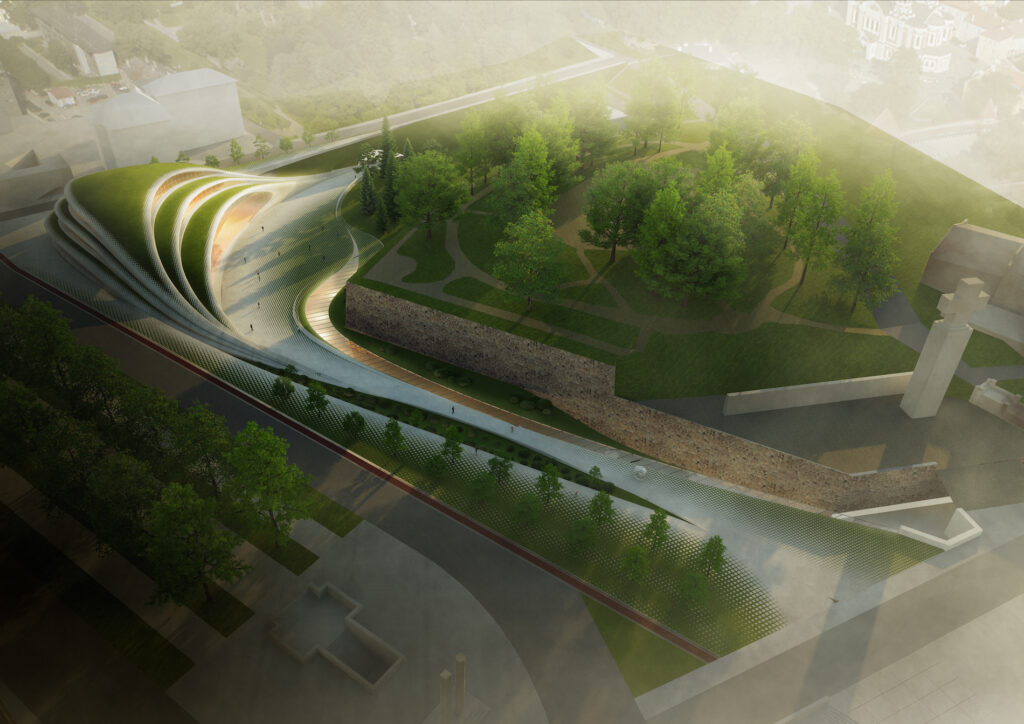
The bastion belt should be a park with its use activated by a building.
‘Heliorg’ explores the possibilities for reviving the bastion belt surrounding Tallinn Old Town.
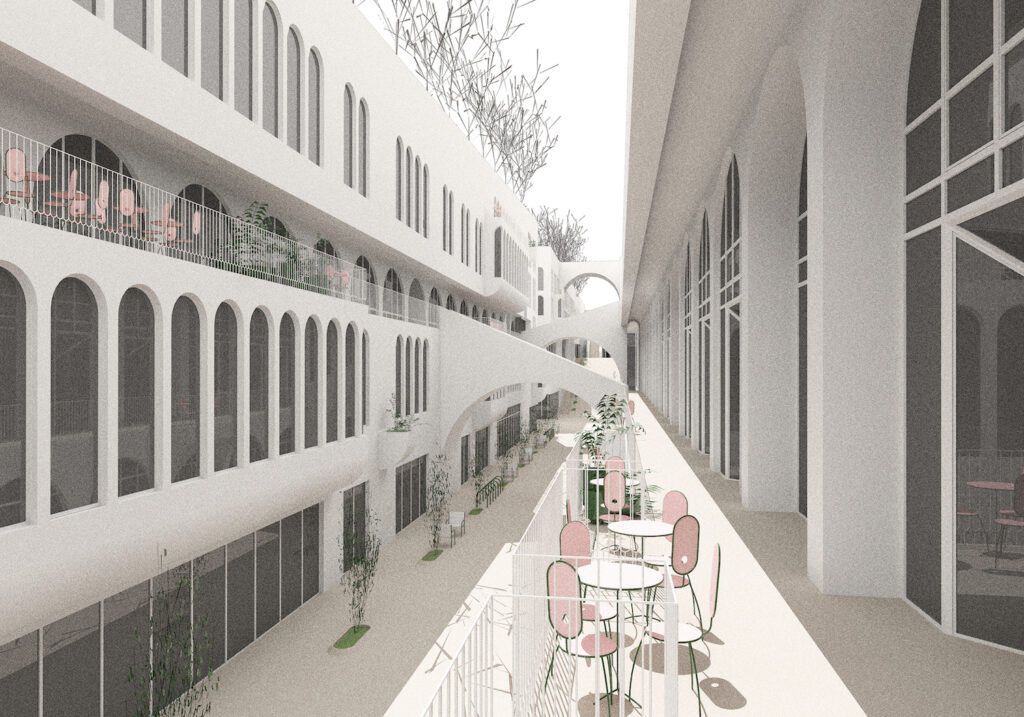
The work marks a reaction to a personal and scary experience with the highrises in central Los Angeles. When I was living and studying in LA in 2010, I imagined a dystopian degenerating city characterised by overwhelming monofunctionality pushing out the weak, increasingly higher and denser office buildings and the street space sinking into darkness.
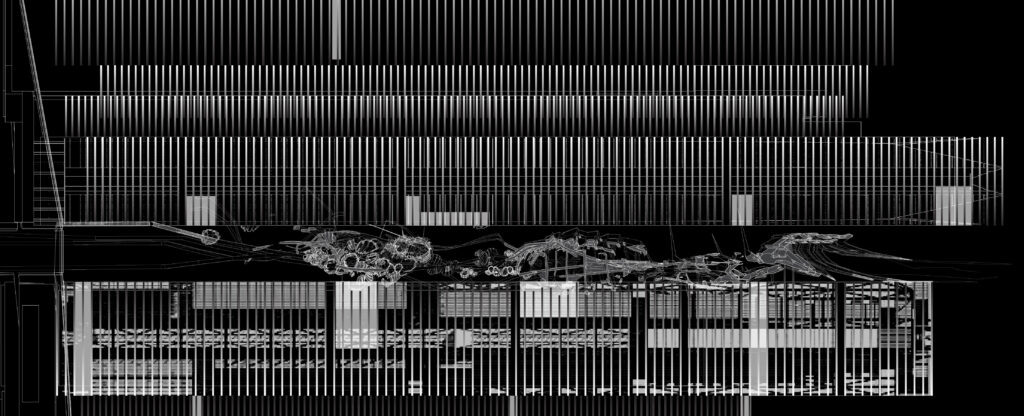
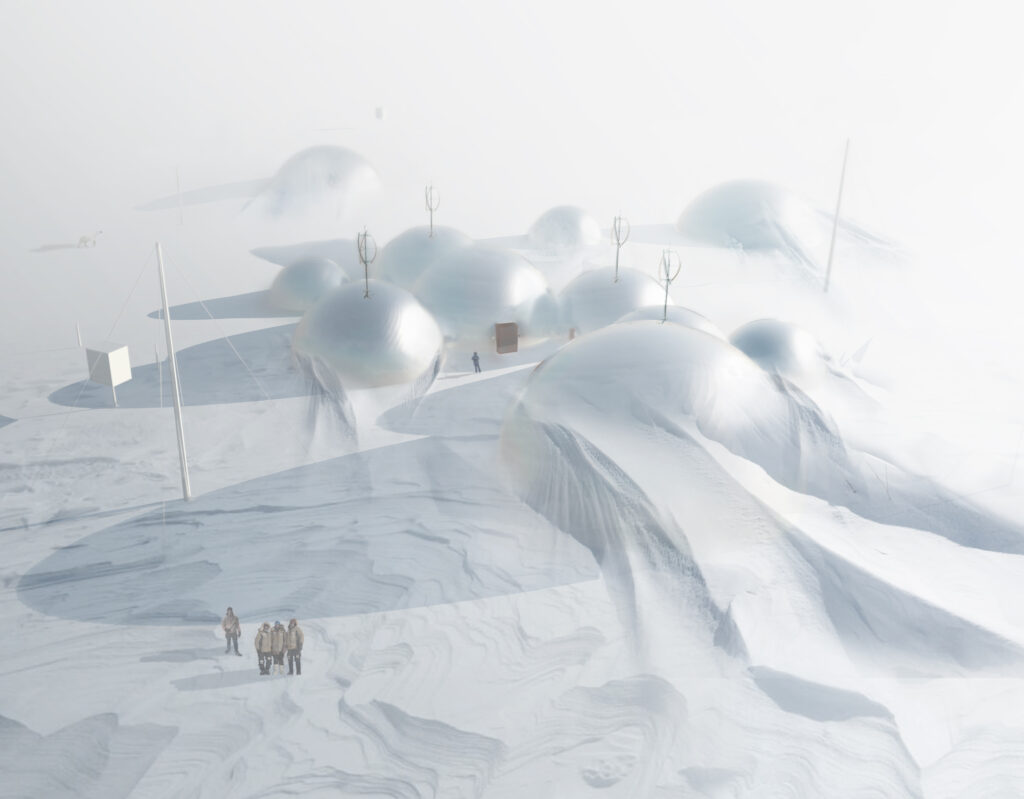
The current work explores the role of the architect in the face of changing environmental conditions. The Arctic area is confronted with dramatic social, economic and environmental changes. The increasing pressure on the Arctic natural resources and Arctic Ocean waterways sets higher demands for the otherwise sparsely populated area. In order to ensure more efficient search and rescue competence and nature protection, a new infrastructure is needed.
The hybrid building merges the library and botanical garden into a spatial whole, a symbiosis of design and high technology. It is located in Burggarten in Vienna – the historical imperial private garden of the Habsburg family, between the Austrian National Library and Palmenhaus.
Postitused otsas