Metsepole was a 12–13th-century Livonian county in the territory of present-day Limbaži municipality in Latvia.
The name of its administrative centre (in Latin): castrum Mezepol
Livonian: Mõtsa Pūol (‘forested land’)
Estonian: Metsapoole (‘mets’ meaning ‘forest’ + ‘poole’ meaning ’towards’)
The Estonian expression ‘metsa poole’ is used for someone not quite in their right mind, a bit crazy or strange.
Architect Toms Kokins investigates the impacts of transnational forestry industry on the Baltic cultural landscapes.
Stumbling upon an empire
A couple of summers ago, I followed my friend, a beekeeper, on his daily route to look after his beehives that are spread across the rural landscape of northern Latvia. He was using the Latvia’s State Forests (LVM) app to orientate within the property landscape and make sure he placed his hives on land where he had an agreement with the landowners. I noticed large colourful areas on the screen of his phone and asked, ‘Who do the yellow areas belong to?’ ‘IKEA,’ he casually replied. ‘And the bluish ones?’ ‘Oh, that’s a Norwegian pension fund,’ said the beekeeper as he tended to his bees.
For an architect interested in materials, landscape, and cultural entanglements, this was a ‘Eureka!’ moment. I had stumbled upon evidence of something we all have at least heard of—Scandinavian companies are acquiring land in the sparsely populated hinterlands of the Baltic region.
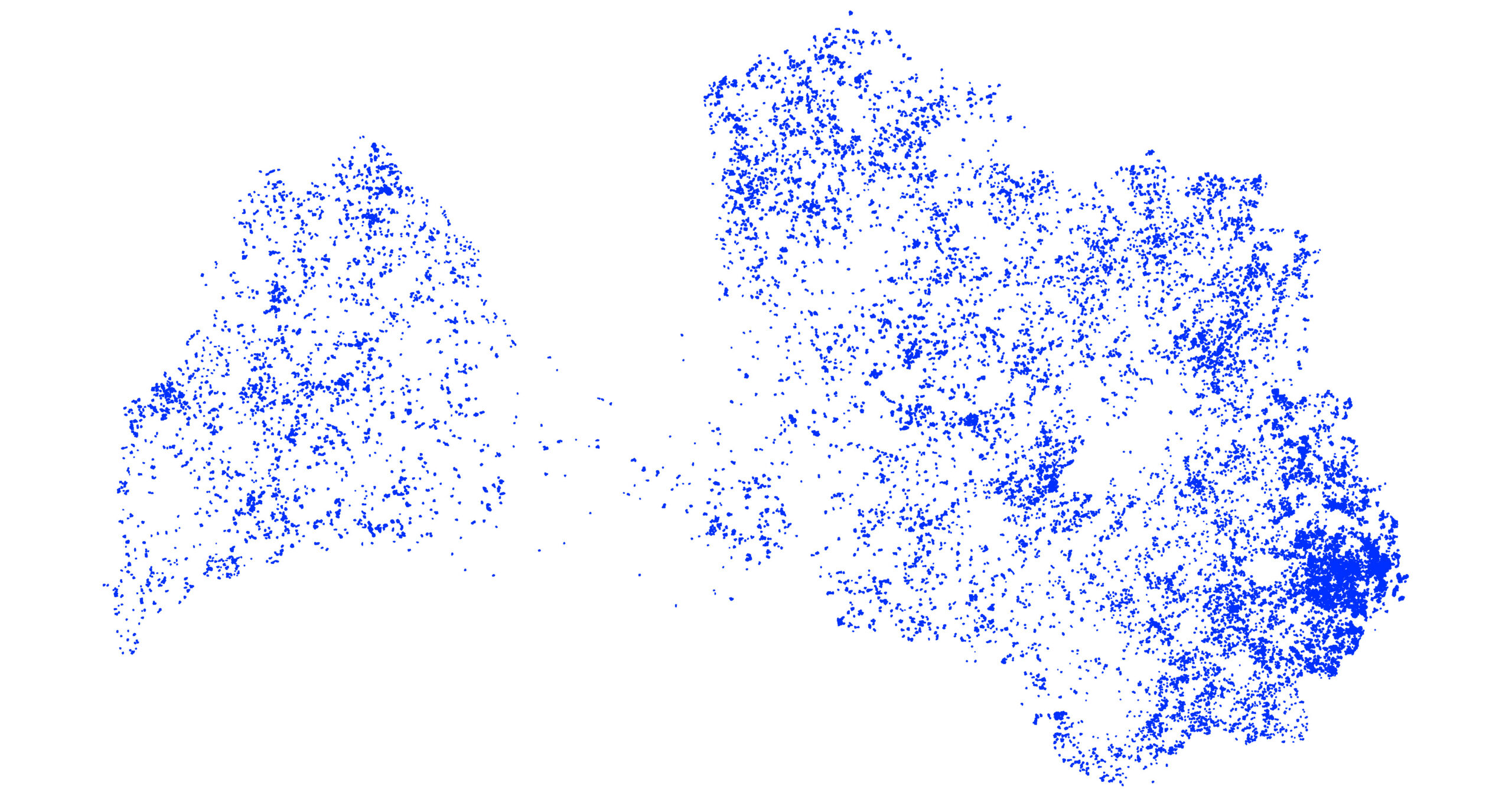
Swedish forests in Latvia. Forest land owned by Swedish capital in Latvia in 2021.
Data source: lvmgeo.lv
I decided to delve into the topic and focus my research on the main foreign landowners in Latvia’s property market—the Swedes. As a resident of Sweden, I had an opportunity to include perspectives from Swedish researchers and industry representatives. I analysed open data from LVM and created a map of Latvia highlighting every plot of forest land1 owned by Swedish capital in 2021. The results revealed that Swedish forestry companies owned a total of 191,250 hectares, i.e., 12.46% of all privately owned forest land in Latvia.2 As a friendly provocation and conversation starter in the academic context, I developed a visual hypothesis that Sweden’s 17th-century empire has not truly ceased to exist; rather, it has taken a different form in its centuries-long quest for resources and territory. And if the forestry circles in Sweden want to have an honest conversation about the impacts of Swedish forestry, it is not enough to focus solely on maps of Sweden. The full geopolitical scope of Sweden’s transnational forestry, which extends as far as New Zealand, must be acknowledged.3
Some see all this as a sophisticated form of neocolonialism, whilst others dismiss it by saying, ‘Who cares? Today it’s the Swedes, tomorrow it’ll be the Americans. That’s just how the open market works.’ In more nuanced discussions on the topic, terms like ‘gentle land grab’ have been put forth.4 Ultimately, to form a judgment on these numbers, one must take a political stance. But in the meantime, I have been more interested in the tangible impact of Swedish forestry on Latvian land, people, and nature.
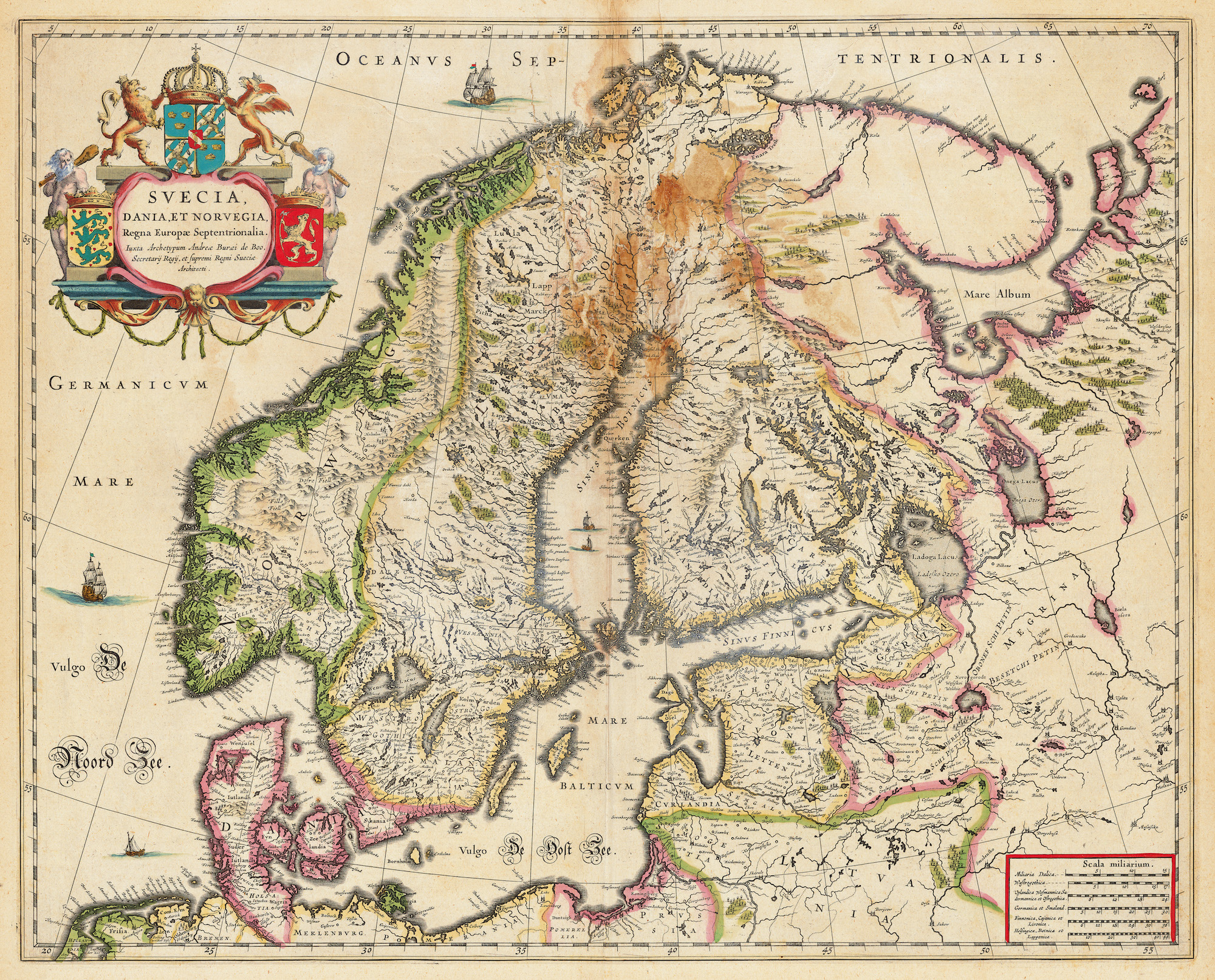
Anders Bure
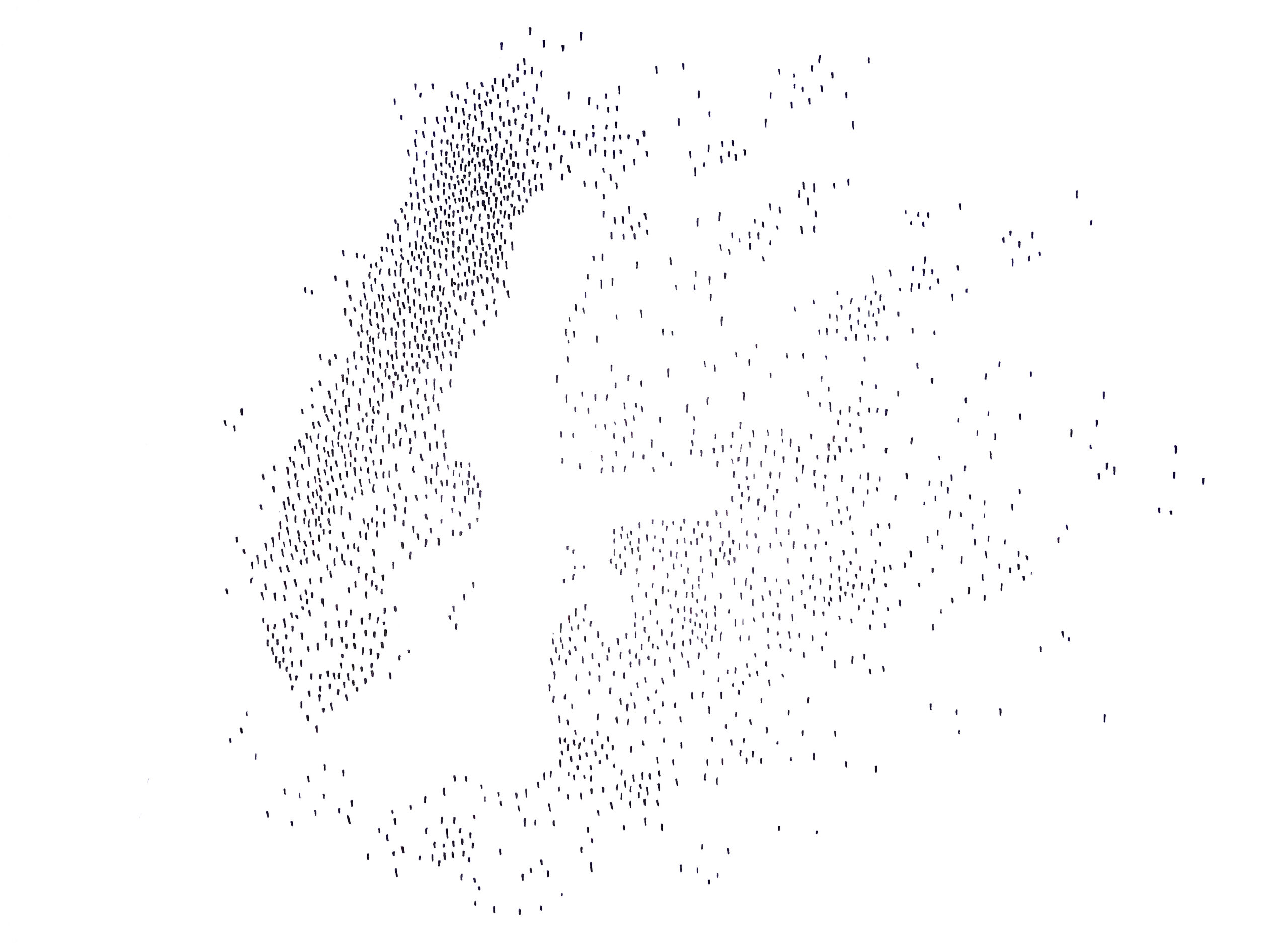
Sweden’s timber empire. A speculative drawing of the extent of Swedish forests in the Baltic Sea region.
Entering the void
I travelled to Latgale, a region in the eastern part of Latvia, where I observed the highest concentration of Swedish-owned forests. In some parishes, Swedish companies control as much as 90% of all forest land. To gain insight, I conducted a series of interviews, gathering perspectives from those engaged in or affected by the industry. Overall, locals seem to appreciate Swedish forestry companies as well-mannered employers who manage forests systematically while providing a few stable job opportunities in regions struggling with economic hardship and depopulation. As one logger working for a Swedish company pointed out: ‘In a situation where half of Latvia has left, they offer a steady job and regular pay—a reason not to leave.’
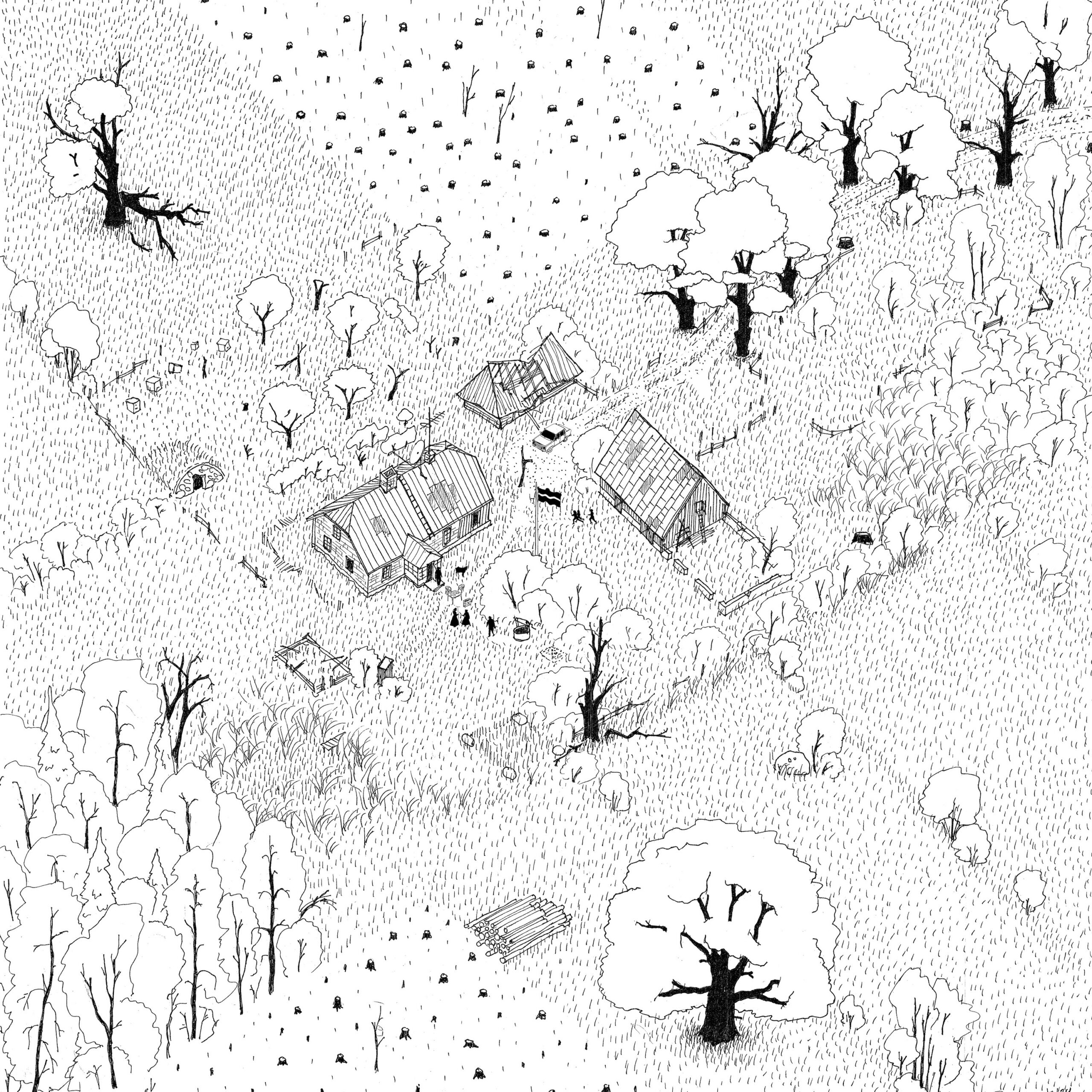
‘Half of Latvia has left’—surely that must be figurative speech, I thought to myself. But when examining the demographic maps of Latvia, a clear correlation emerges between the expansion of Swedish forestry and depopulation. In some areas, as much as two-thirds of the population has emigrated since the year 2000. For the logger, this means that both their neighbour to the left and their neighbour to the right are gone, leaving behind empty dwellings in the rural landscape. Since the 1990s, corporate forestry industry has been steadily moving into the void left by the decreasing local population.
Toms Kokins
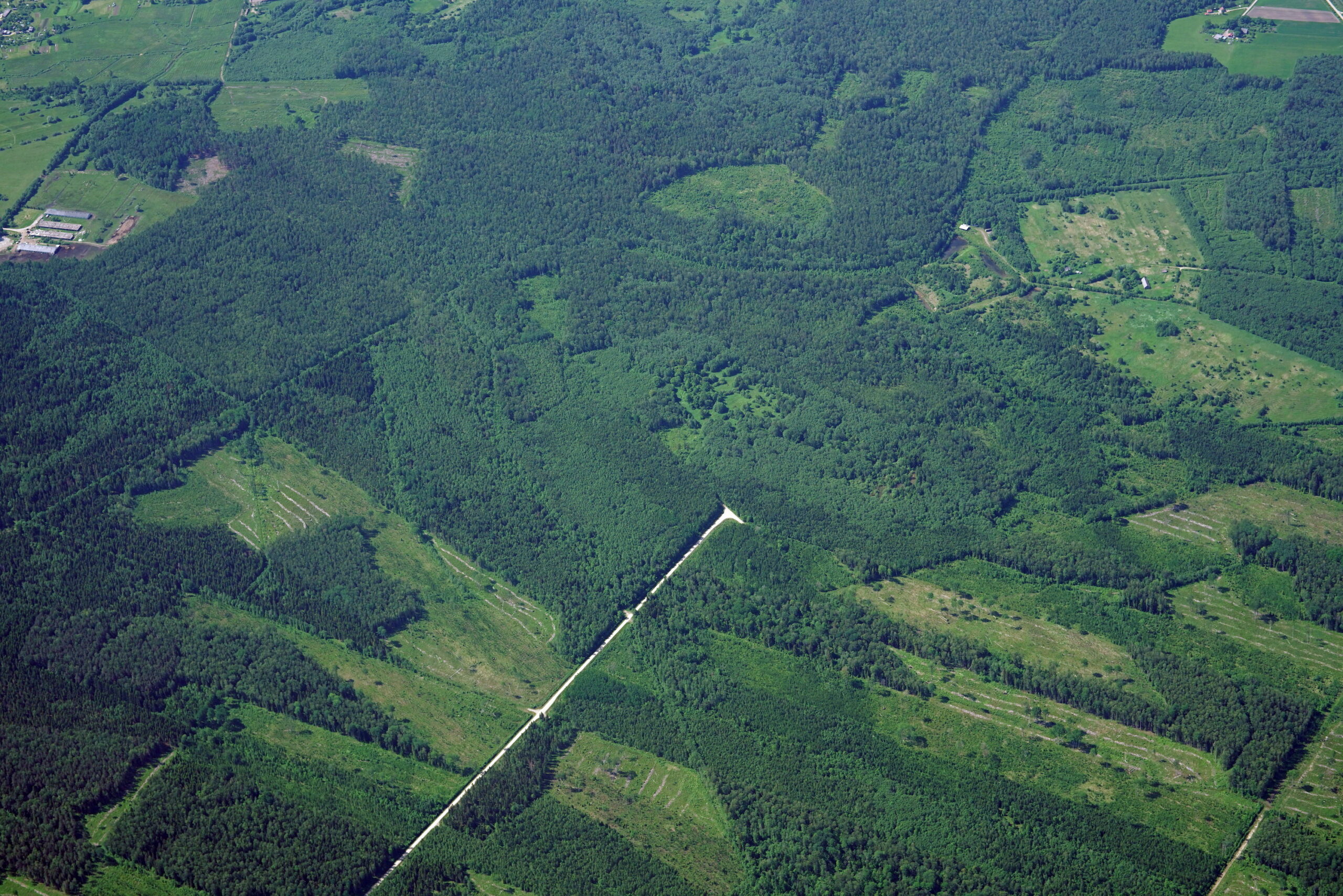
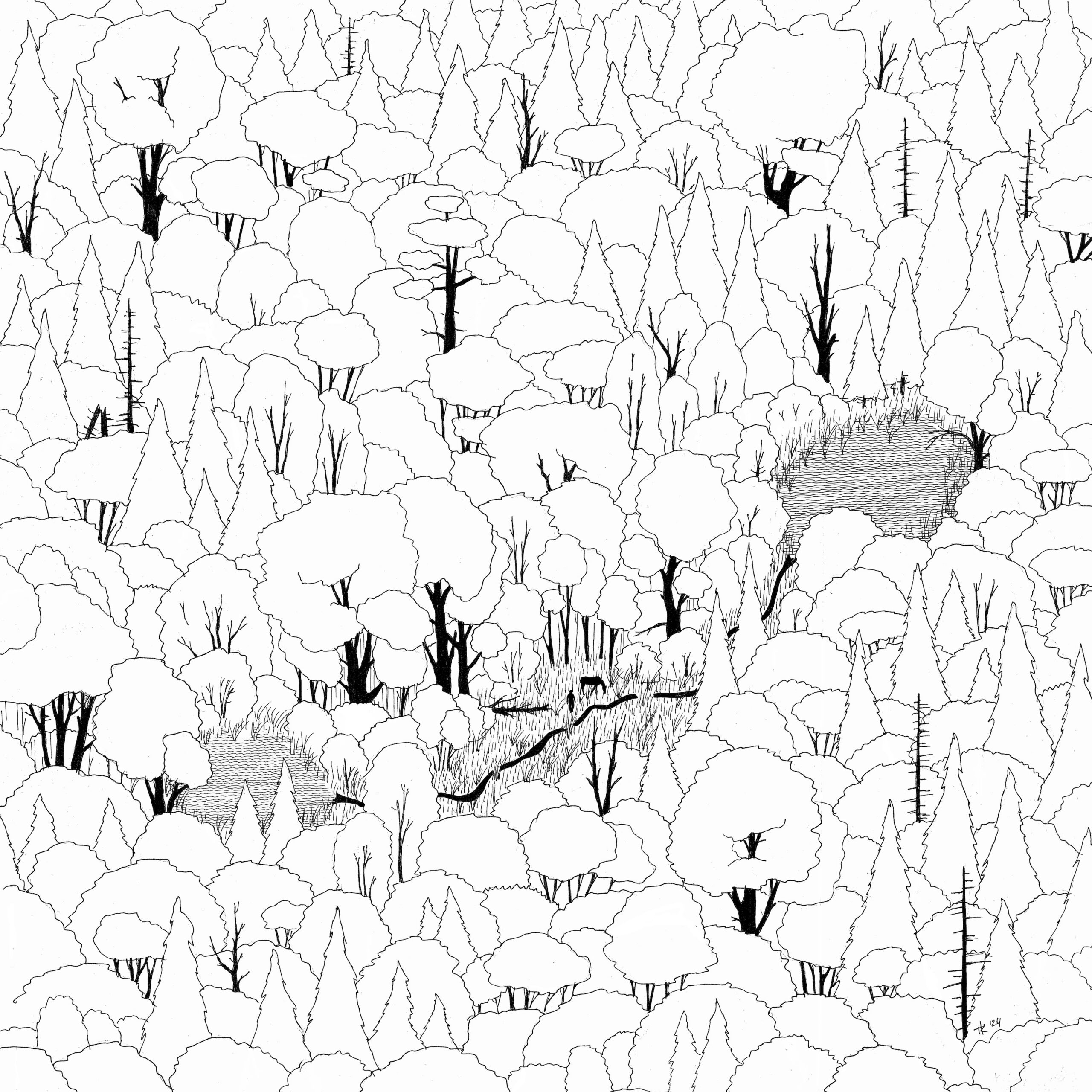
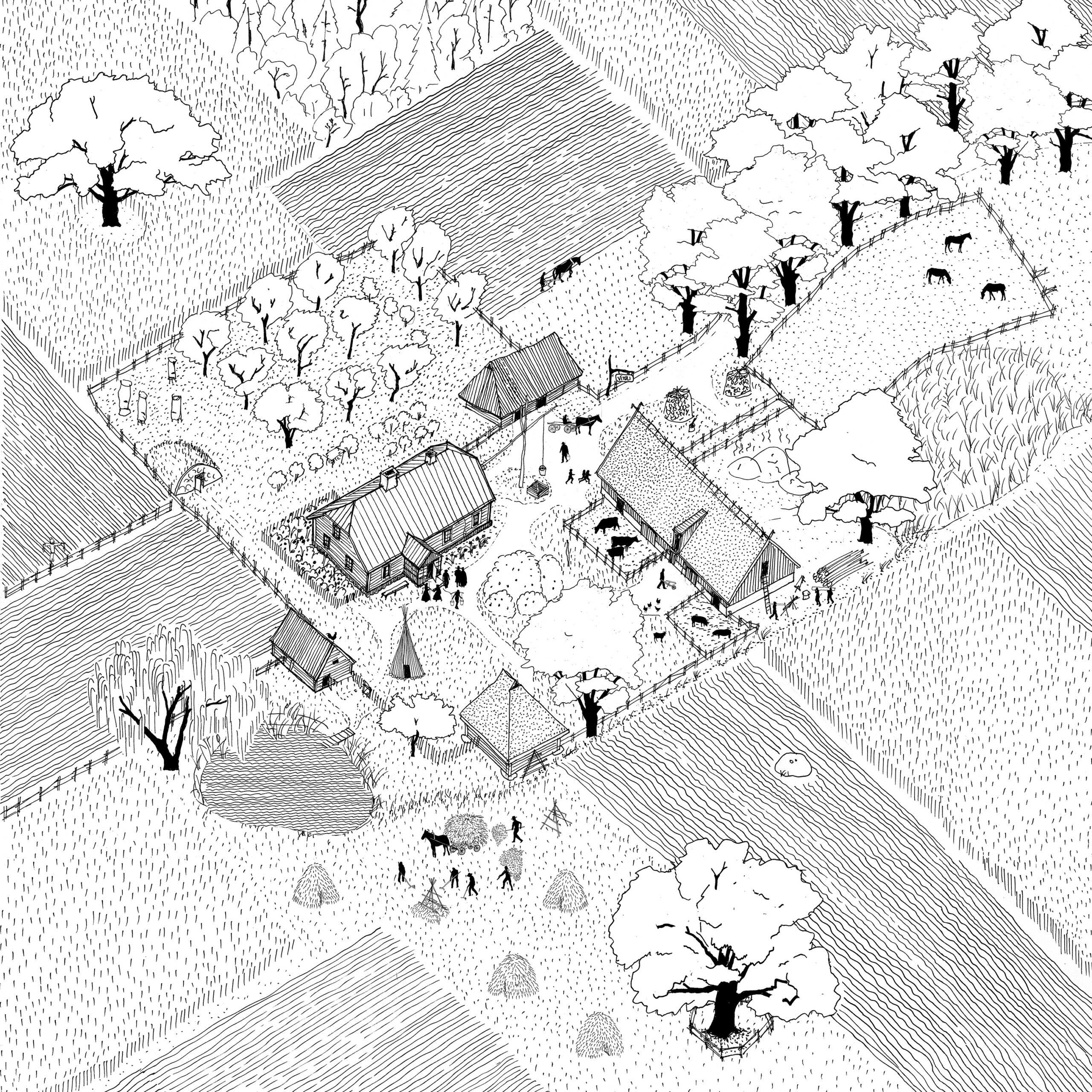
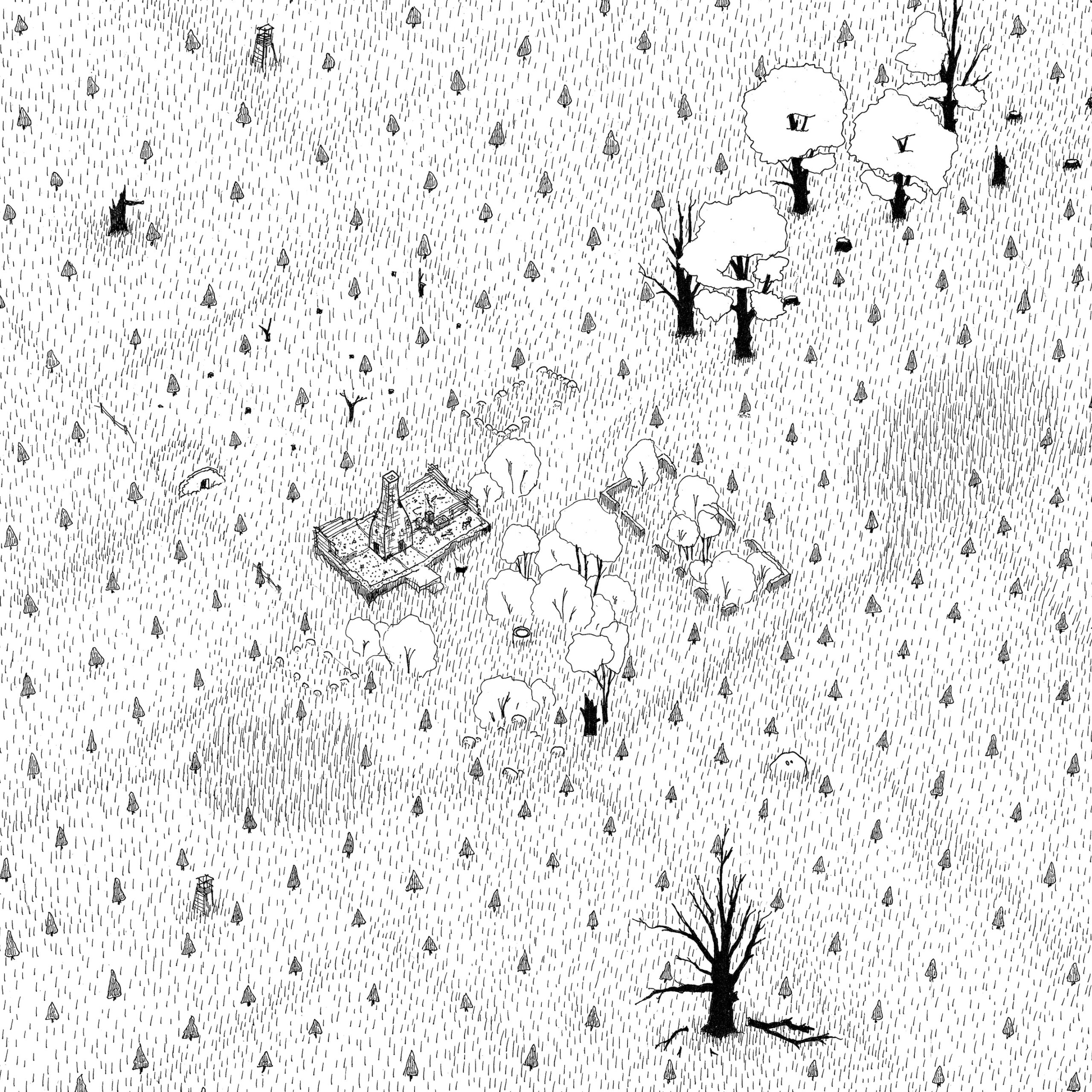
This trend is clearly illustrated by the conversion of former farmland and entire farmsteads into forest plantations—a practice adopted by several forestry companies. A local environmental organisation was the first to highlight this shift to me. While some Swedish companies are well known for their proactive stance in identifying and protecting valuable biotopes on their forest properties and adhering to Forest Stewardship Council’s (FSC) certification standards, they have also faced criticism. One major concern is the replacement of biologically valuable grasslands with monocultural tree plantations.
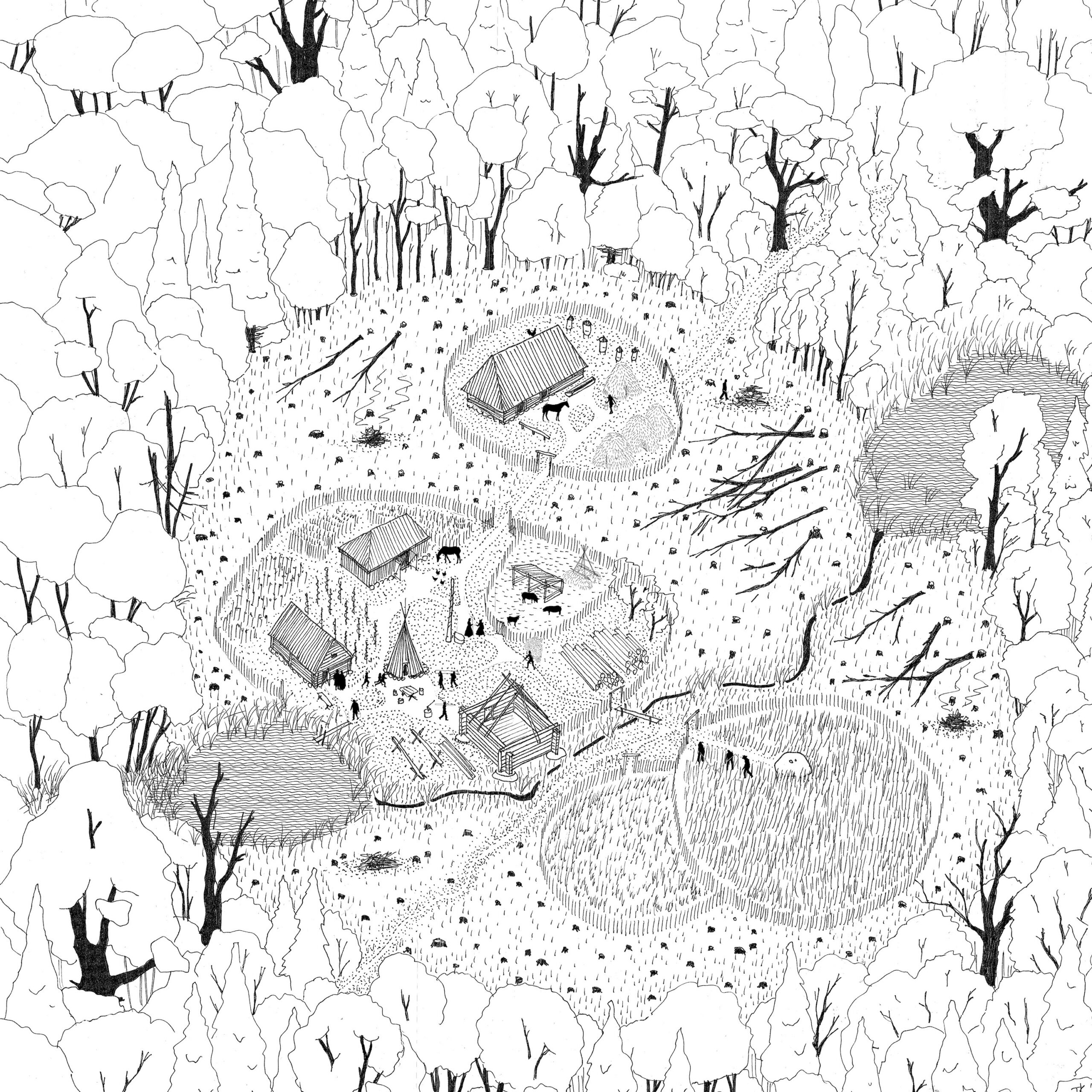
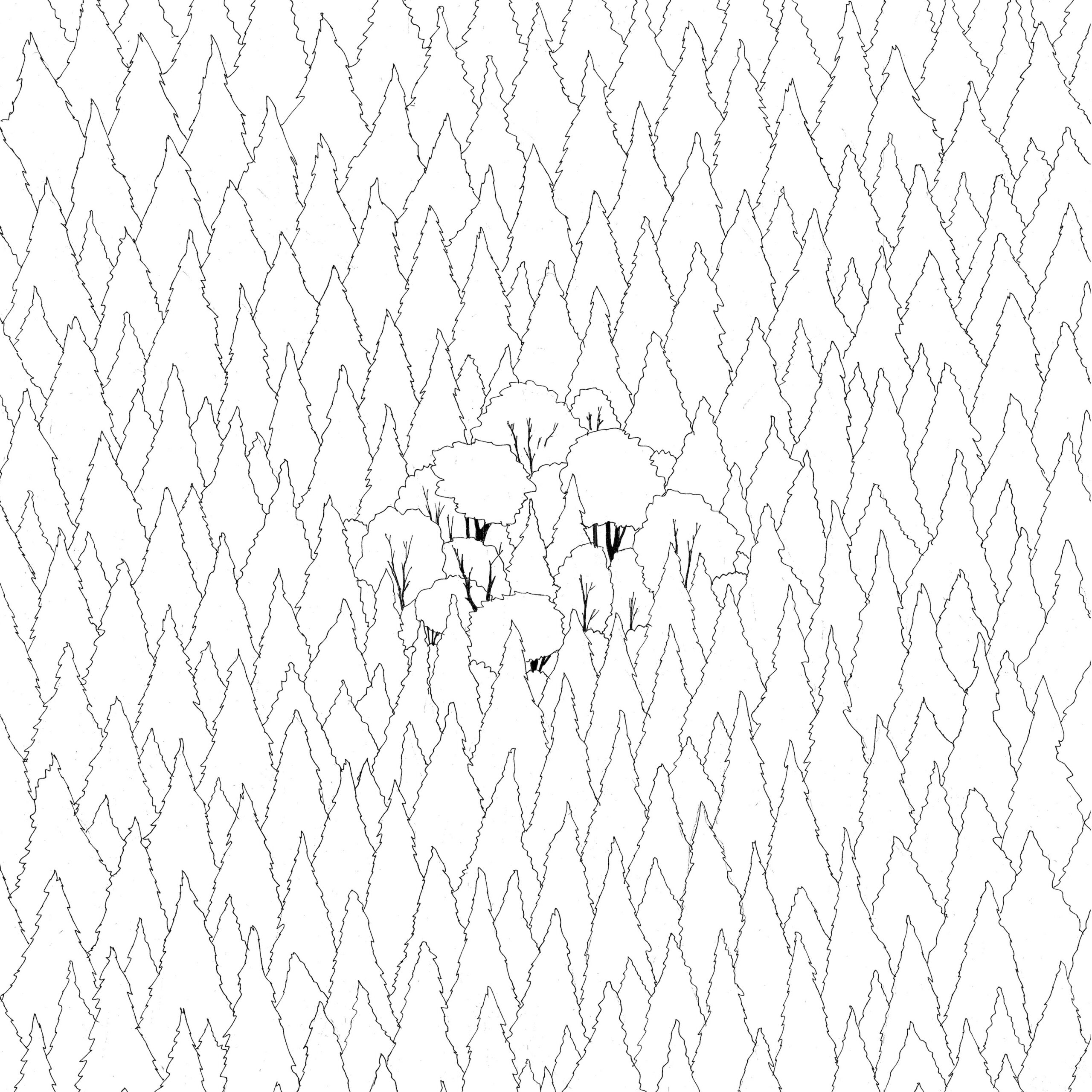
Moreover, the micro-landscapes of historic farmsteads—featuring old buildings, ponds, ditches, gardens, and large free-standing trees—contribute to the biologically diverse patchwork of the Baltic landscape. However, industrial forestry is dramatically altering this cultural landscape, transforming a mosaic-patterned, biologically diverse landscape that is rich in history into uniform monocultural plantations that erase the cultural traces embedded in the built environment.
Toms Kokins
Surviving the 958% inflation
To understand why the Swedes could acquire forest land at a low cost, one must piece together history brick by brick. Before World War II, 27% of Latvia’s land was covered by forests. By the time Latvia regained its independence in 1991, this figure had risen to nearly 50%, and the trend of afforestation has continued. This is a result of significant socio-economic changes—mass deportations, the expropriation of private property, forced collectivisation, centralisation, and urbanisation left large extents of farmland to be overgrown with forest during the Soviet occupation.
The transition from Soviet rule to a capitalist economy in the 1990s was difficult for most of the population—many lost their savings and suffered from dramatic inflation. For example, in 1992, inflation reached 958%.5 Reinstated land ownership and the young forests that had grown during the Soviet era provided a quick way out of poverty. Cutting and selling the trees and, eventually, the land itself offered a financial cushion for many.
Toms Kokins
Such were the conditions when the Swedish forest companies arrived in the mid-90s. They were buying clearcuts 4–5 times cheaper than in Sweden. They were equipped with free capital, forestry know-how, and a clear vision of the future value of forests. This was contrary to local individuals who often lacked the longer-term perspective, or, as one forestry entrepreneur put it: ‘When you are poor, you don’t have the time to make long-term plans.’
The 1990s presented a window of opportunities for Swedish forestry entrepreneurs in the Baltics, whereas for the local population, it was a time of bare survival. A key question, still relevant in the global context today, is: to what extent should newly established (or re-established) nations, such as the Baltics, protect their strategic assets during the transitional phase towards functioning democracies and economies? Who would gain access to the countries’ most valuable resources in the long run?
Toms Kokins
2% of Latvia for sale
In January 2025, the largest foreign forest landowner, Södra, shook the industry by announcing its intention to sell all 153,000 hectares of land in Latvia and Estonia, or as they phrase it, divest from forest holdings.6 This marks a pivotal moment—a major Swedish stakeholder will reduce its forest properties in Latvia for the first time since the early 1990s.
The announcement has sparked speculation about the reasons behind such a significant move. In light of Russia’s aggressions, many fear that this signals a withdrawal of capital from a potential conflict zone. However, industry expert Kristaps Klauss argues that the sale, which involves 2% of the country’s land, is a standard large corporation ‘fixation of profit’ move.7 At the highest levels of government, discussions are underway about seizing the opportunity to acquire this land as a strategic asset, potentially through pension funds or other means. This is particularly relevant given that much of the land is concentrated in the eastern part of the country, close to Latvia’s border with Russia.
Toms Kokins
Changing landscapes, evolving identities
Regardless of the future buyer’s nationality, origin of capital, or organisational framework, it is evident that increasingly large landowners and forest managers are dominating both the industry and the landscape. The case of Swedish forestry in Latvia seems to represent one of the final phases of a tectonic transition—from decentralised, self-sufficient land practices that were dominant before WWII to the accumulation of land and capital in the hands of ever fewer corporate or state entities half a century later, with failed collectivisation attempts in between.
Forestry industry is dominated by often clashing economic and ecologic worldviews. Looking at it from an architectural perspective allows me to bring questions of identity and culture into the discussion. While travelling through the Baltic countryside and encountering abandoned farmsteads, I recognise individual stories shaped by geopolitical shifts. The empty houses and afforested fields are testimony of a changing era. We are witnessing a dramatic transformation of our cultural landscapes, just like the first farmers settling here thousands of years ago who began changing the primal forests by the Baltic Sea. I would argue that much of Latvian identity is constructed on the backdrop of a landscape characteristic of a farming culture that peaked in the late 19th and first half of the 20th century. It is challenging to see the foundation of our identity afforested.
Toms Kokins
The farmstead was a nucleus of this landscape and is a nucleus for my research method—it is a starting and ending point for understanding our place in this part of the world. Carefully drawing the farmsteads in different eras that have shaped our land and identities is a way of creating time-space to think and reflect. On a deeply personal level, it helps me to overcome nostalgia. Seeing the lonely farmsteads in the context of a larger global picture is a way of coming to terms with inevitable changes. We can either succumb to despair over the decline of a certain way of life or use the past as a source of knowledge and inspiration, and a springboard for whatever comes next.
TOMS KOKINS is a Latvian architect and a lecturer at Umeå School of Architecture, Sweden. He is a research fellow at Future Forests Foundation of Swedish University of Agricultural Sciences, where his research ‘Metsepole’ focuses on industrial forestry and changing cultural landscape in the Baltic Sea region.
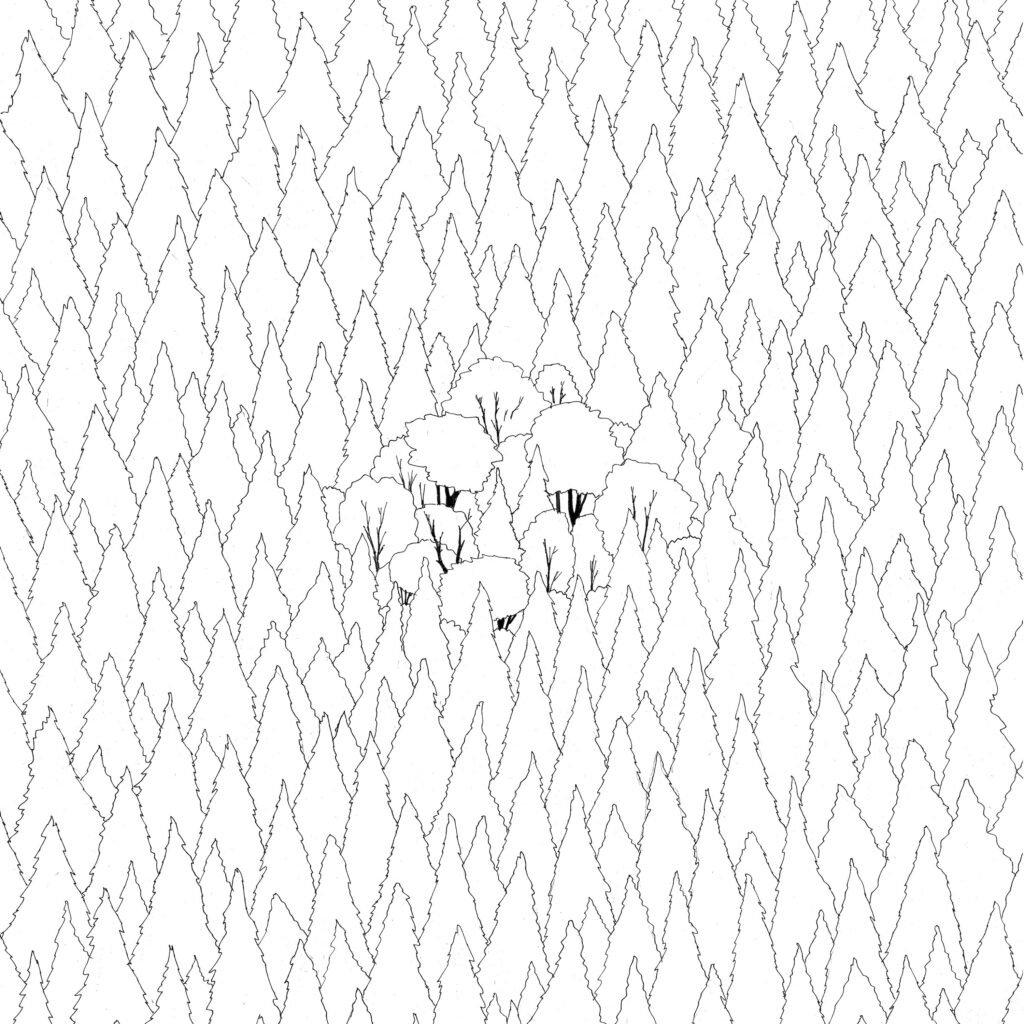
HEADER: Landscape in 100 years. Industrial forest with a few deciduous trees marking a former farmstead. Illustration by Toms Kokins
PUBLISHED: MAJA 1-2025 (119) with main topic BALTIC EXTRA
1 ‘Forest land’ is a legal term indicating land use designation for forestry. ‘Forest’ is an ecological and cultural term indicating an area with complex ecosystems and cultural values attributed to it.
2 For context, the division between LVM-owned and privately owned forest land is roughly 50/50.
3 Ariane Lavrilleux, ‘In New Zealand Ikea hogs land, jeopardising native ecosystems’, Disclose, 29 February 2024.
4 Janis Viesturs, Armands Auzins, and Inga Snore, ‘Indications of Gentle Forest Land Grabbing In Latvia’, Rural Development and Entrepreneurship Production and Co-Operation in Agriculture (Latvia University of Agriculture, 2018) pp. 359–367.
5 Sandra Berzups, ‘Privatization At The Crossroad Of Latvia’s Economic Reform’, ILSA Journal of International & Comparative Law 1, no. 1 (1995).
6 ‘Södra planning to divest forest holding in the Baltics’, at www.sodra.com.
7 Kristaps Klauss, X (Twitter) @Kristaps_Klauss.