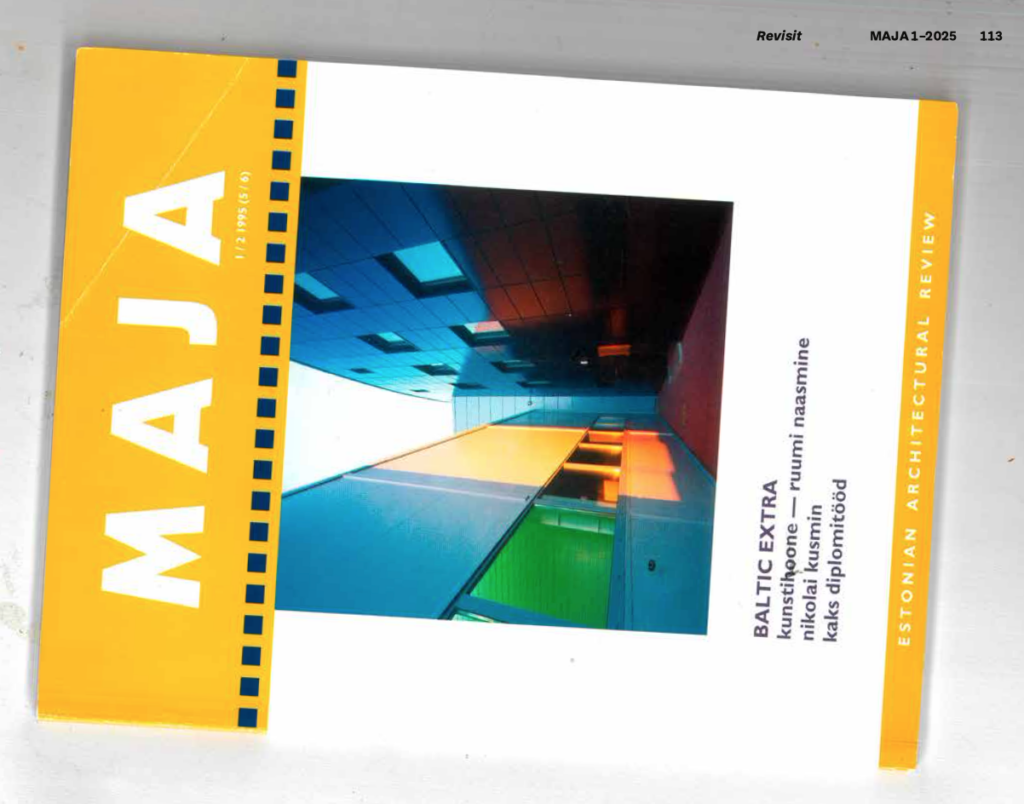
1-2025 (119): Baltic Extra
Hannes Aava shares some subjective tidbits about the last 30 years of spatial design in the Baltics.
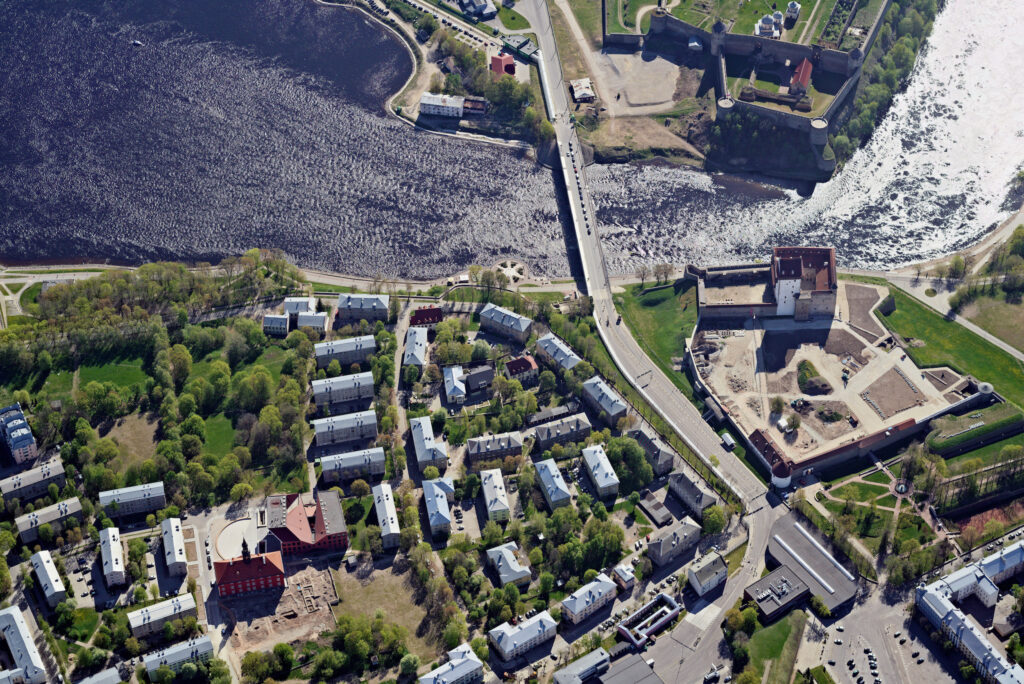
Francisco Martínez's and Joosep Kivimäe's inventory of spatial objects in Narva, a city on the Estonian border with Russia.
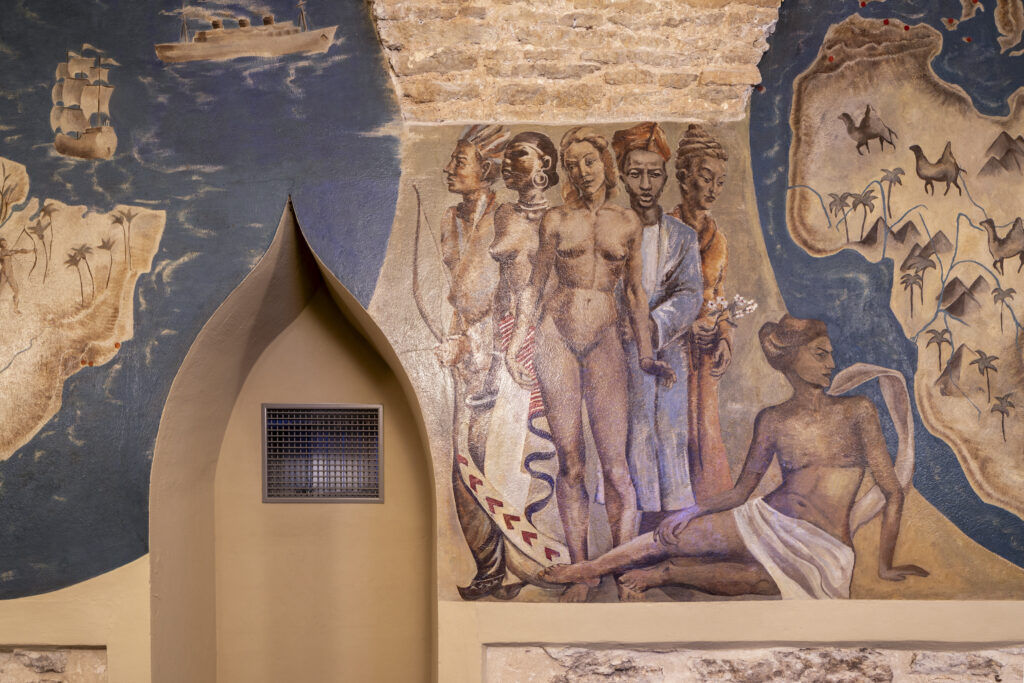
Simply removing the ‘foreign’ symbols offers no more than an ostensible solution, for dissonant heritage—a complex and controversial past, conflicting historical interpretations, etc.—need to be dealt with in a much more in-depth manner.
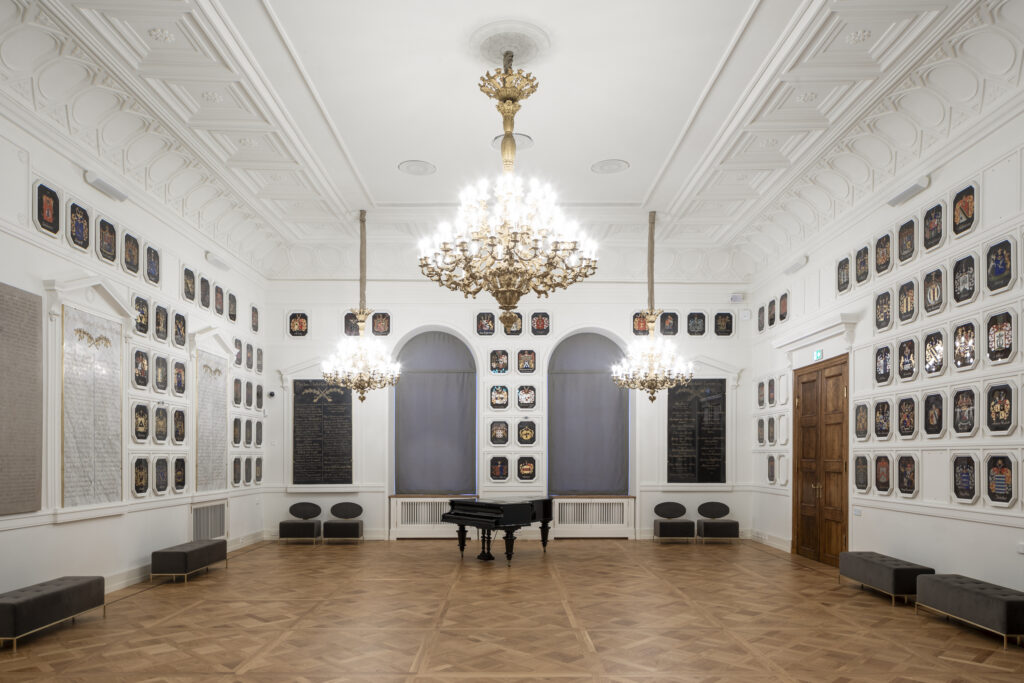
Hans Alla writes about the interesting nuances of the interior of the Knighthood House.
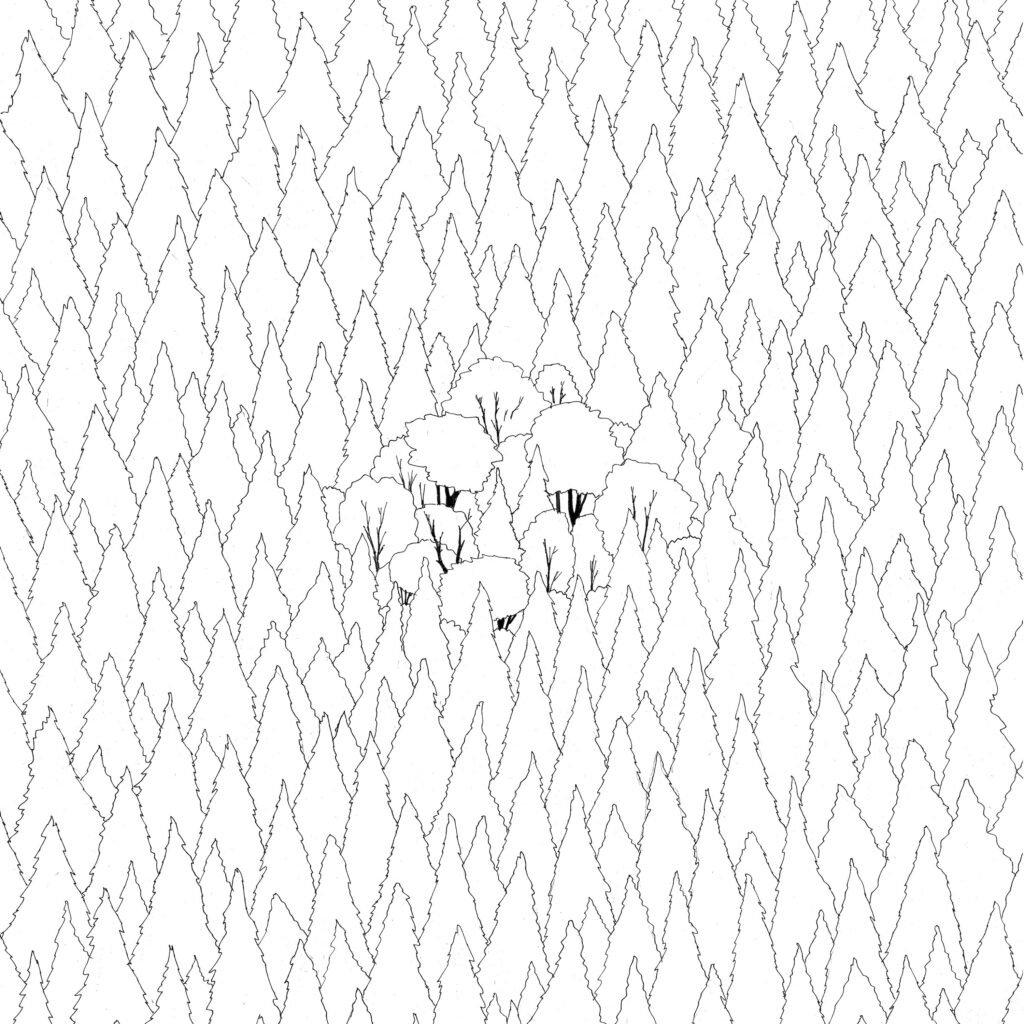
Architect Toms Kokins investigates the impacts of transnational forestry industry on the Baltic cultural landscapes.
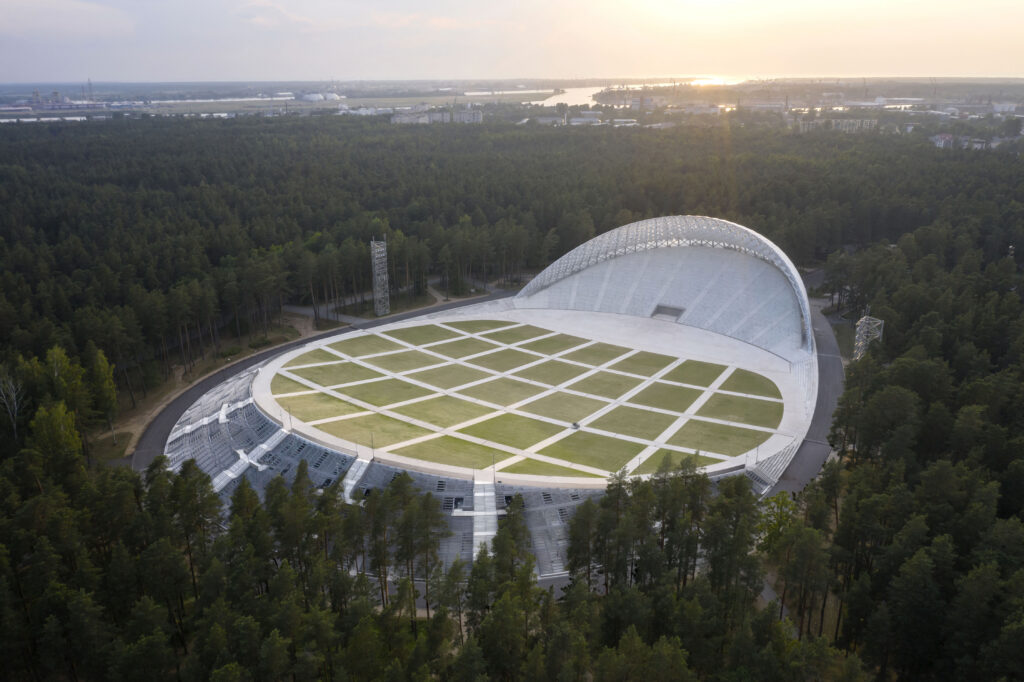
The new song festival ground in Latvia is a symbolic update—an architectural interpretation of contemporary song festival culture as well as a nation’s independence in the very centre of the Baltics.
Balticness as a fragment of identity is a bit like a curiosity forgotten in the back pocket, only to be rediscovered from time to time. We asked a number of Estonian, Latvian, and Lithuanian archi- tects, architectural offices, and other spatial practitioners for their favourite spaces, spatial situations, or features that appear unique to the Baltic coun- tries (or one of them).
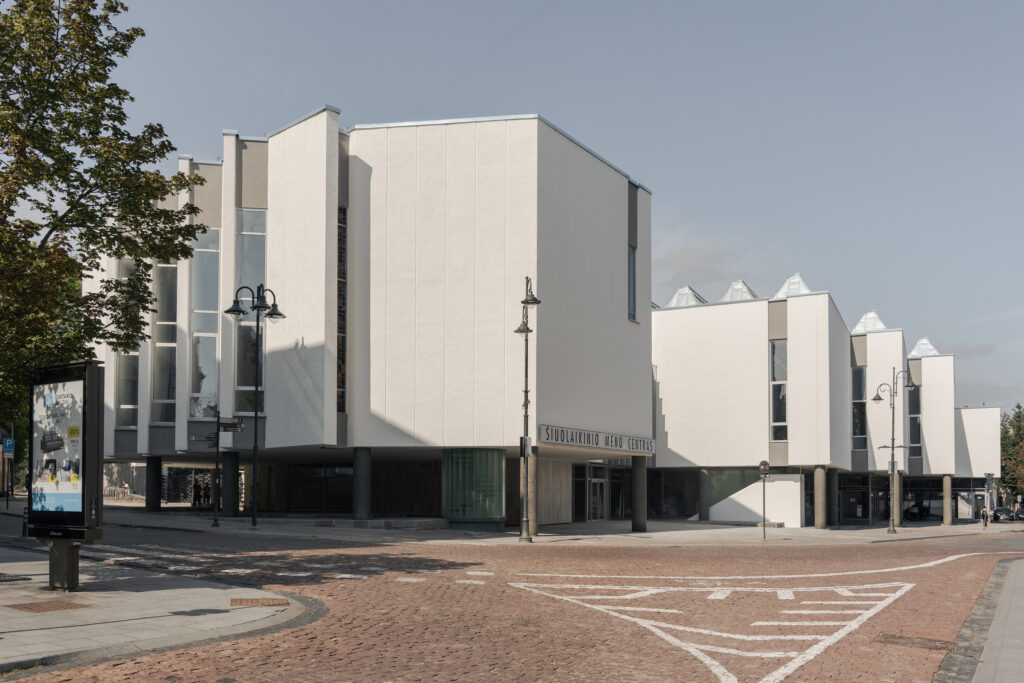
Andrius Ropolas writes about the Contemporary Art Center Vilnius.
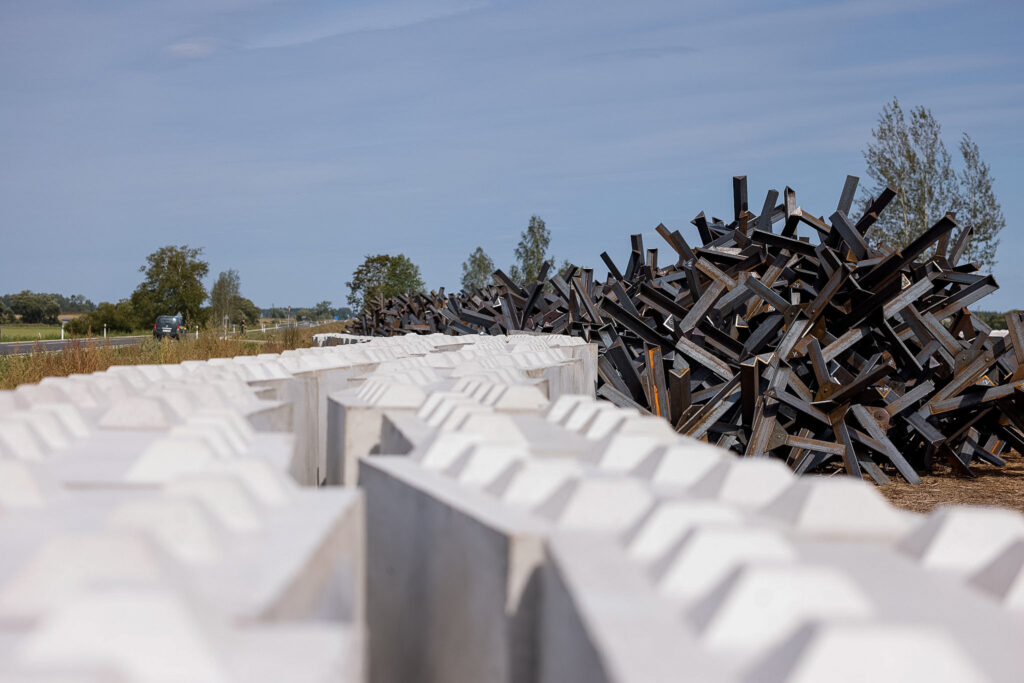
Balti riikide ja Venemaa (nagu ka selle lahutamatu liitlase Valgevene) vahelise piiri kindlustamisel on piirialade maastikule suur mõju.
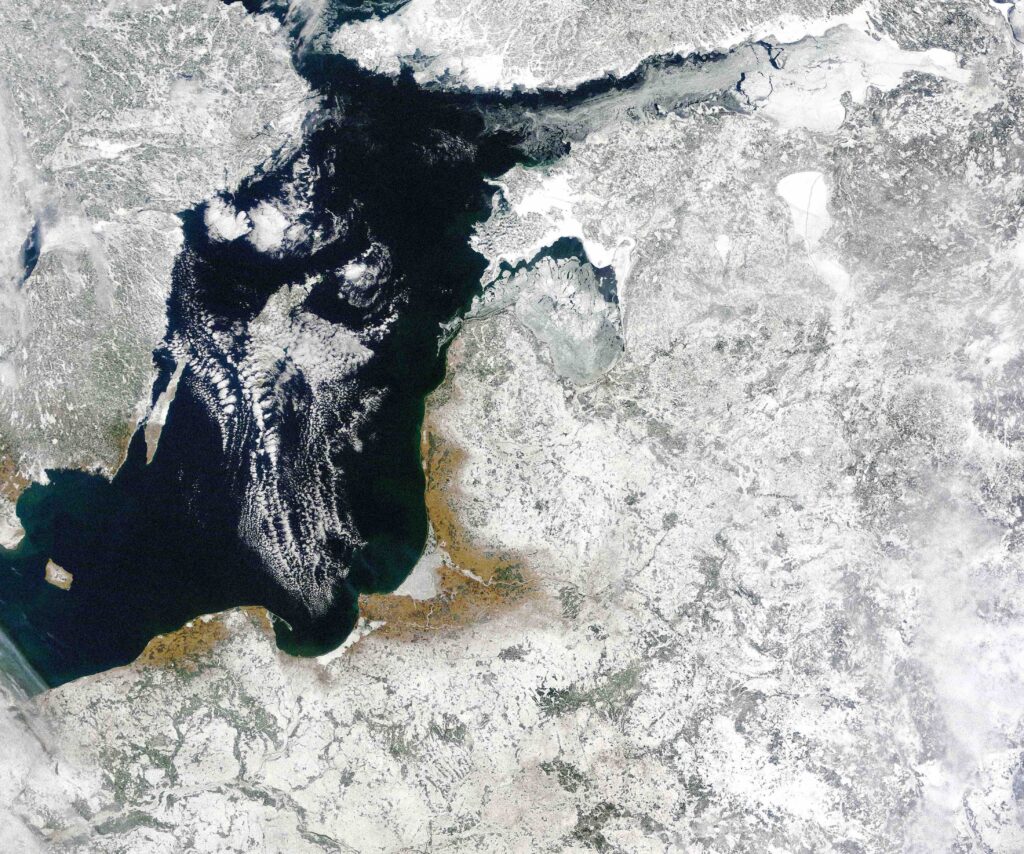
Estonia, Latvia, and Lithuania, collectively known as the Baltics, are three small countries that most of the world finds pretty much indistinguishable. As a geopolitical term, ‘the Baltics’ took root only in the 20th century. The more distant past and cultural history of the three countries differ on several levels.
Perhaps it is namely in defiance against externally imposed homogenising simplifications that we tend to turn to more distant places for inspiration and view local trends and tendencies as something confined only to national borders. However, anxious times encourage unity, urging us to discover and interpret our identities ourselves instead of letting others define us. In order to be carried and consolidated not only by fear, but also joy, pleasure, and curiosity we invite to discover commonalities and peculiarities of the Baltic countries!
Wide breadth, blurred boundaries, ambiguous endings and beginnings—the charm of the Baltic condition is not easy to grasp. But as Latvians say, per Reinis Salins: ‘Katram savs stūrītis’ (‘Everyone has their own corner’).