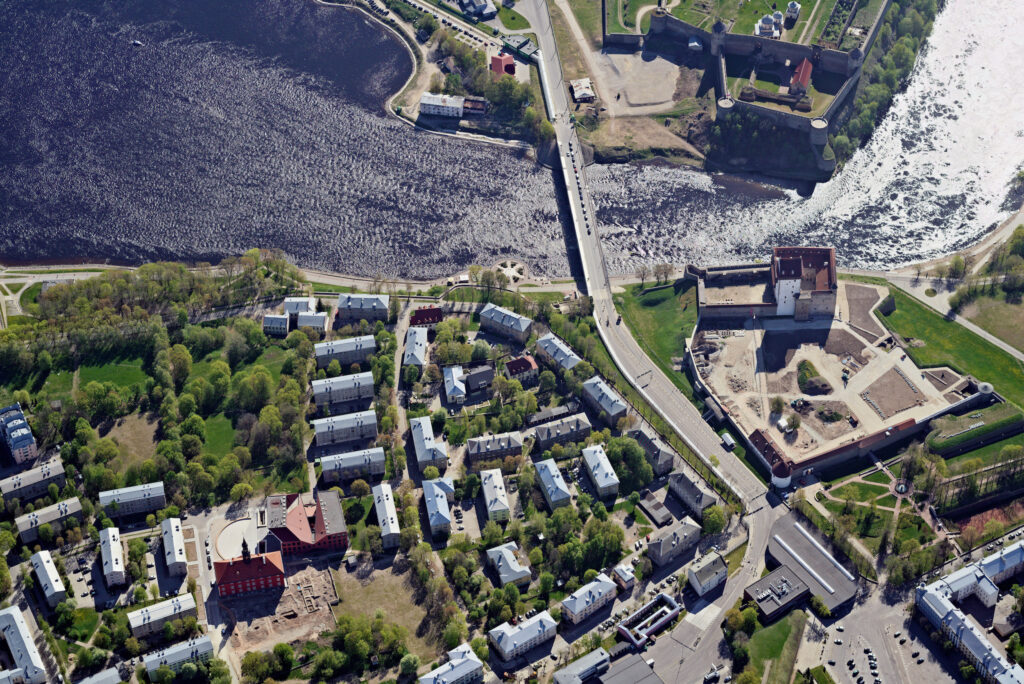
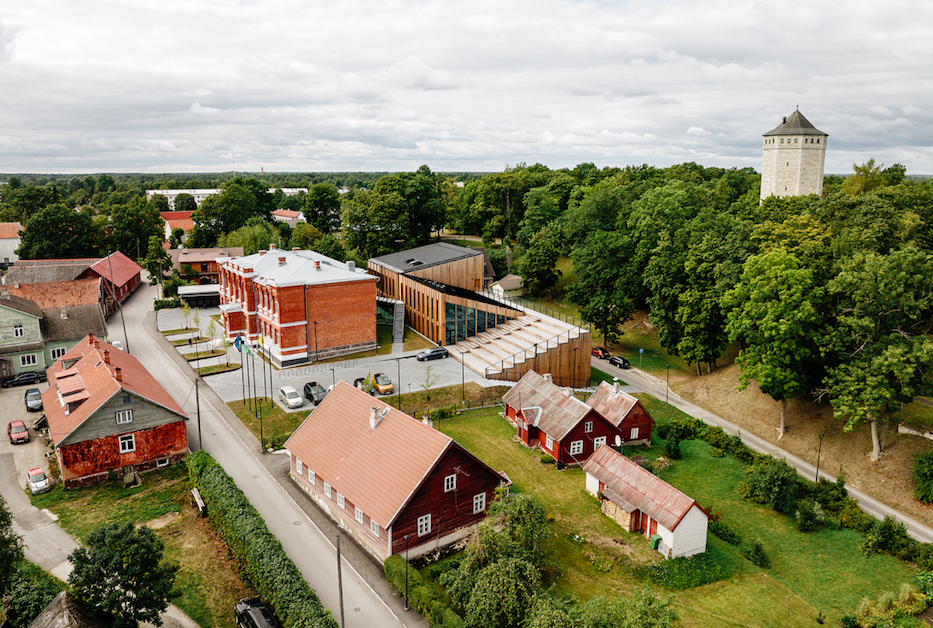
Simply removing the ‘foreign’ symbols offers no more than an ostensible solution, for dissonant heritage—a complex and controversial past, conflicting historical interpretations, etc.—need to be dealt with in a much more in-depth manner.
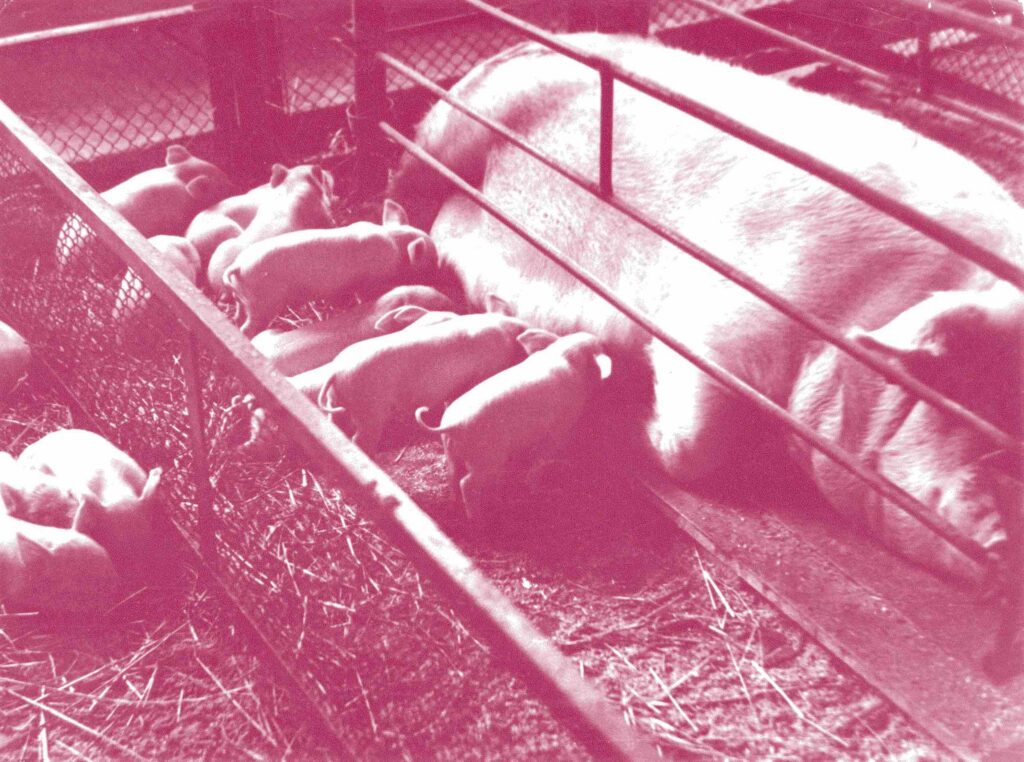
If we could overcome the paradox of meat and make the hidden realities of the animal industry even slightly more visible, it is conceivable that we might begin inching towards dietary practices that do not require the exploitation of animals.
Although dictionaries define the term ‘plateau’ as a stable, fluctuation-free state, they also include a caveat: it only lasts for a certain period of time. So, what comes next?
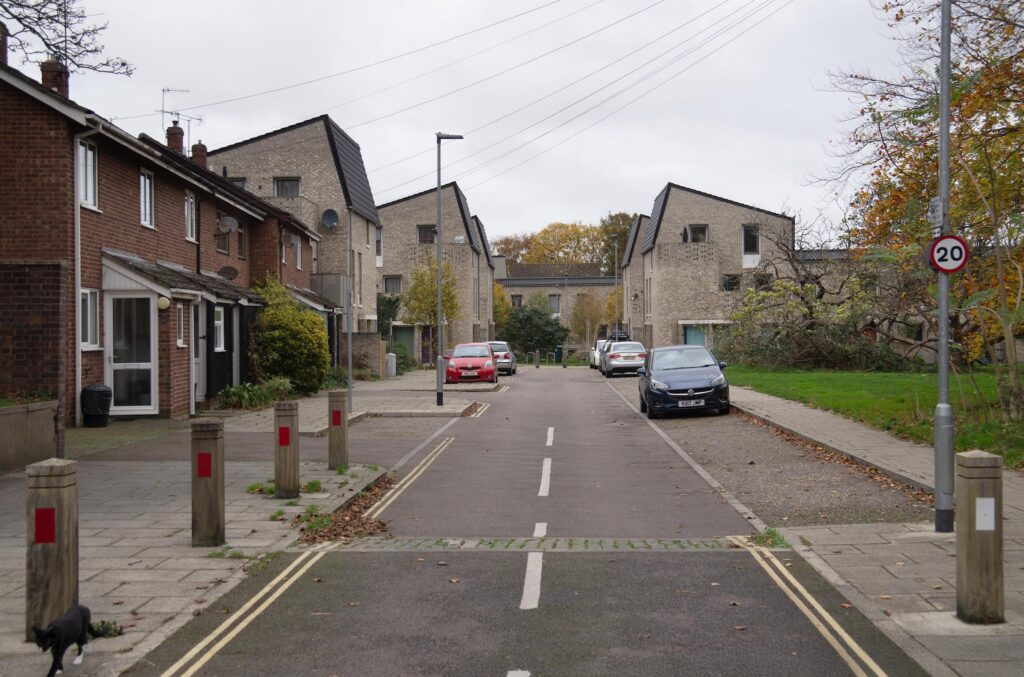
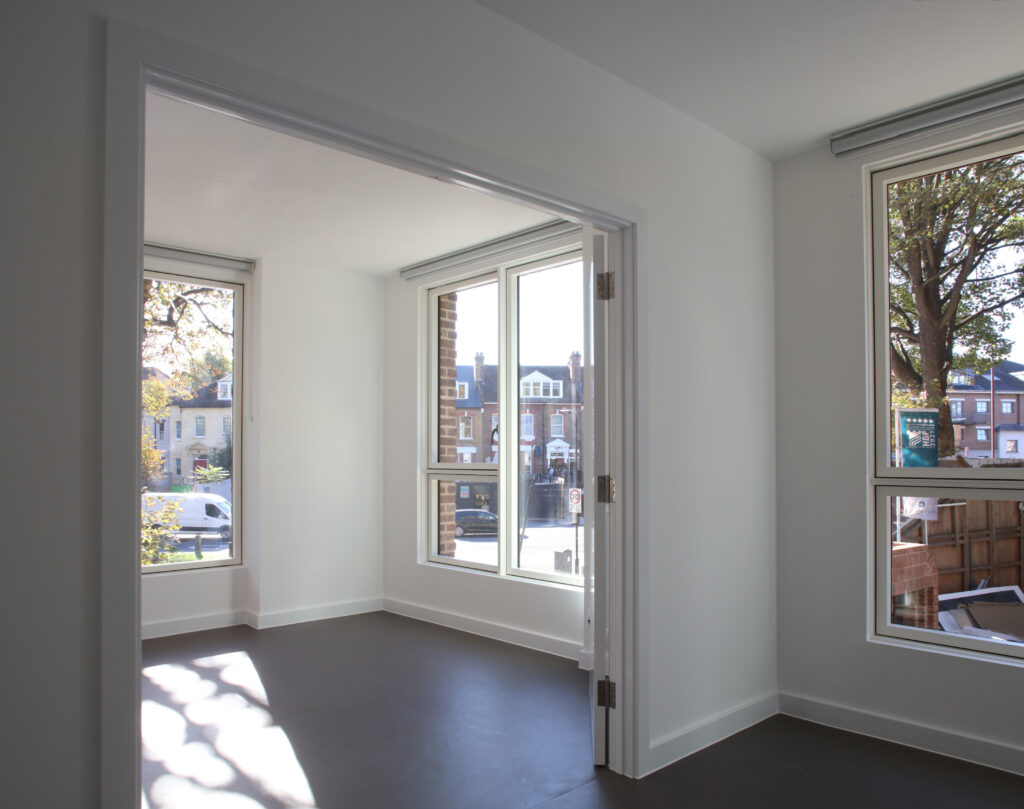
In the UK, a number of councils have adopted the passive house method in order to realise their growing ambitions in the housing sector. Could this also lead to an increase in spatial quality?
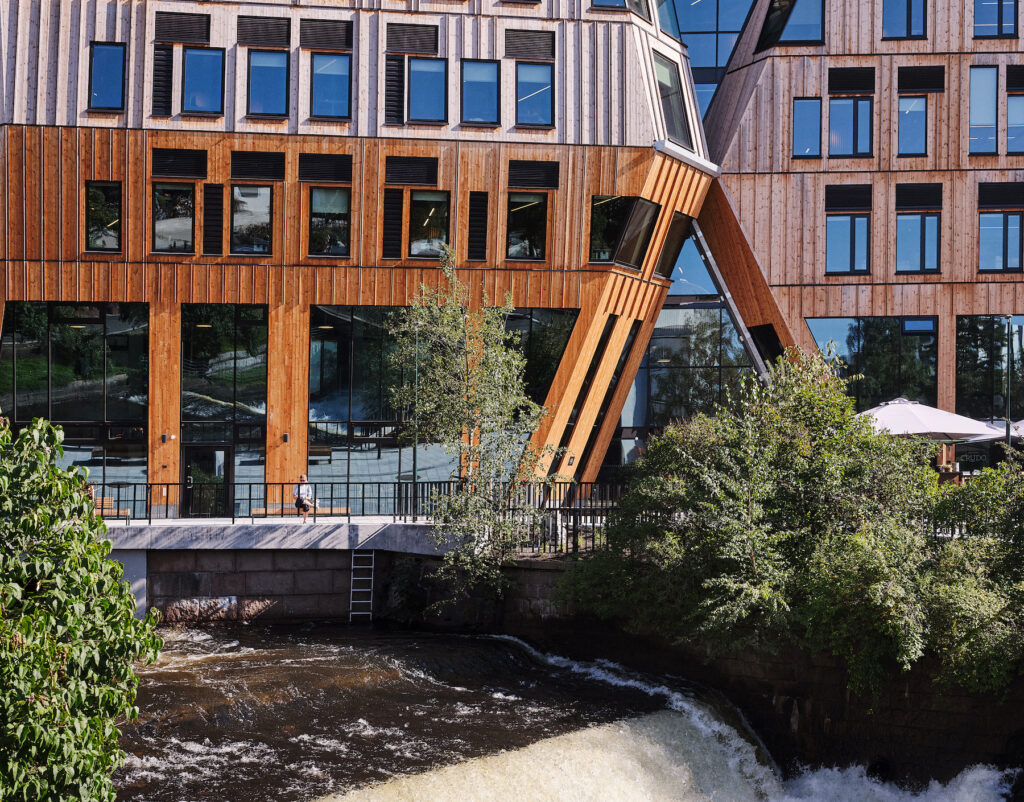
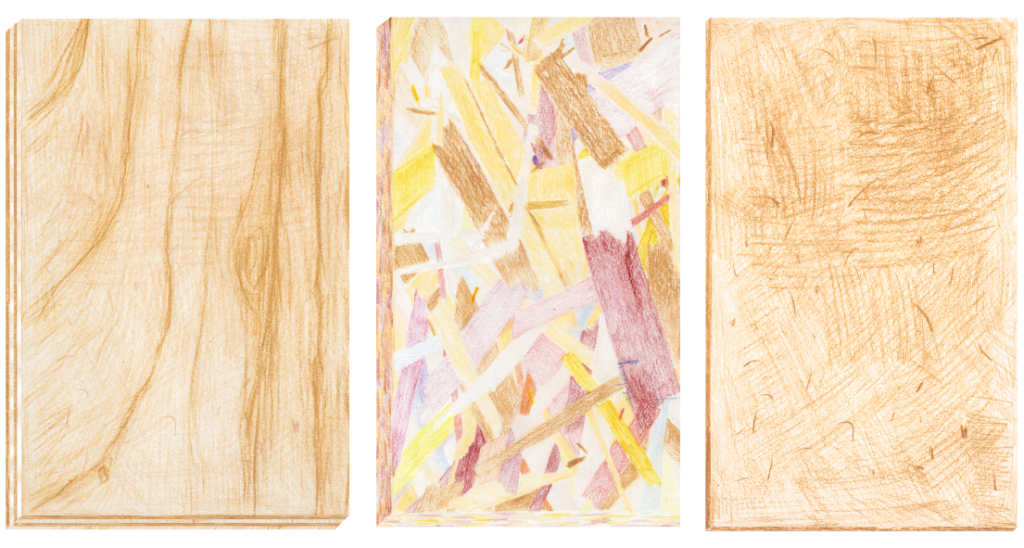
Authors traced the bigger processes that are connected to the production of engineered wood - these materials are produced from industry leftovers, but also from trees that are cut for that purpose only.
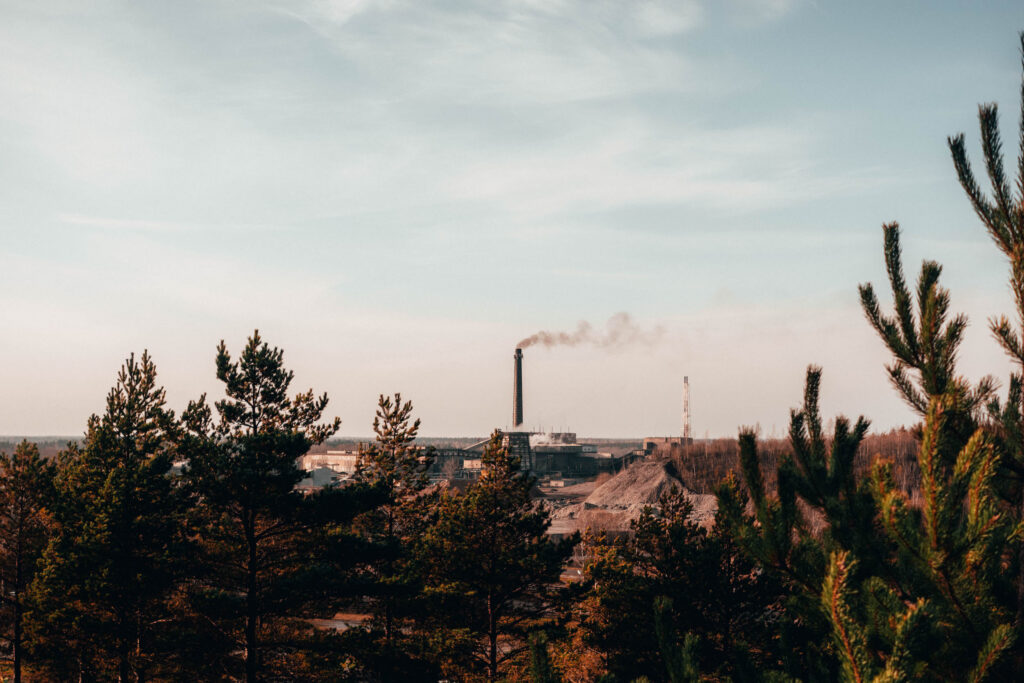
In addition to being home to trees, cities or urban environments are also home to 70% of the Estonian population—are these people not entitled to clean air as a human right?
Hence the main question of this article: what power does stench have? And who gets to feel the stench? Who talks about the stench? Who gets to decide where it stinks?
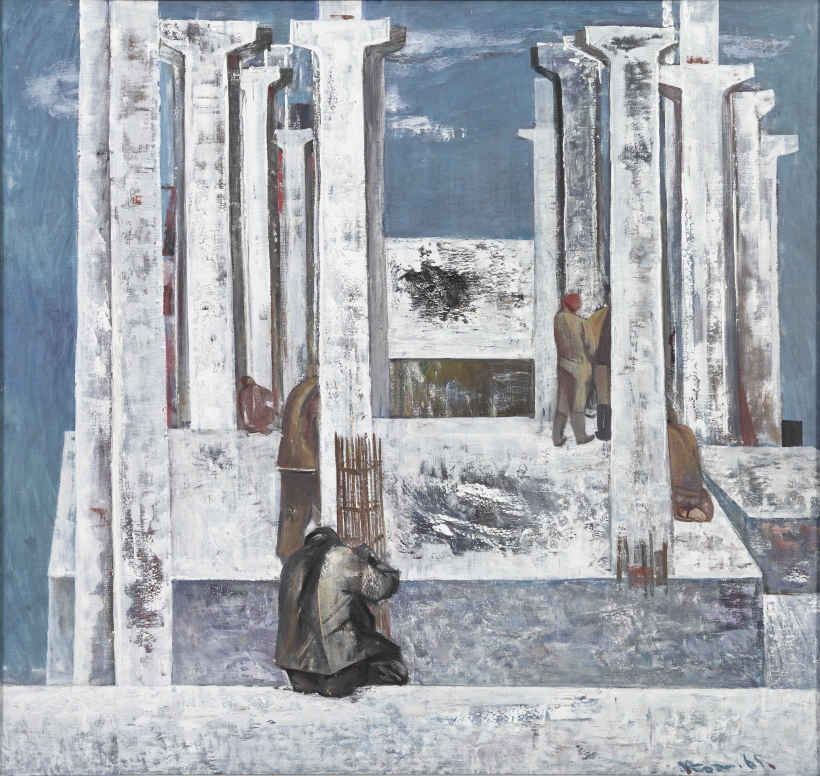
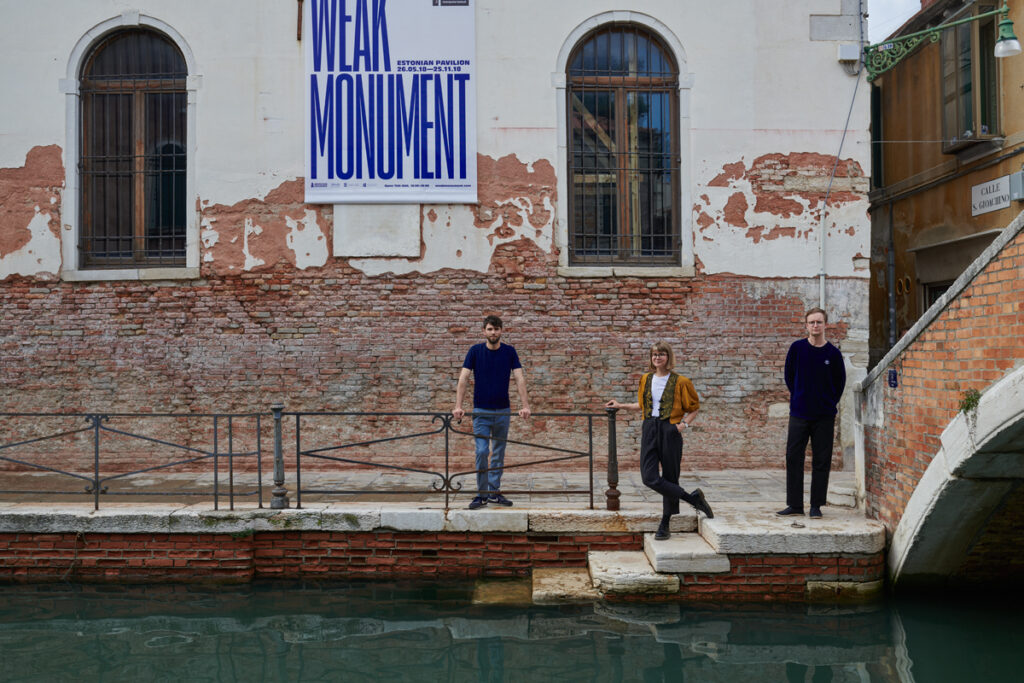
‘Weak Monument’ examines the effect and significance of architectural elements and pragmatic everyday architecture and describes how weak (and normally not material-intensive) architectural practice may become significant and give rise to something new.
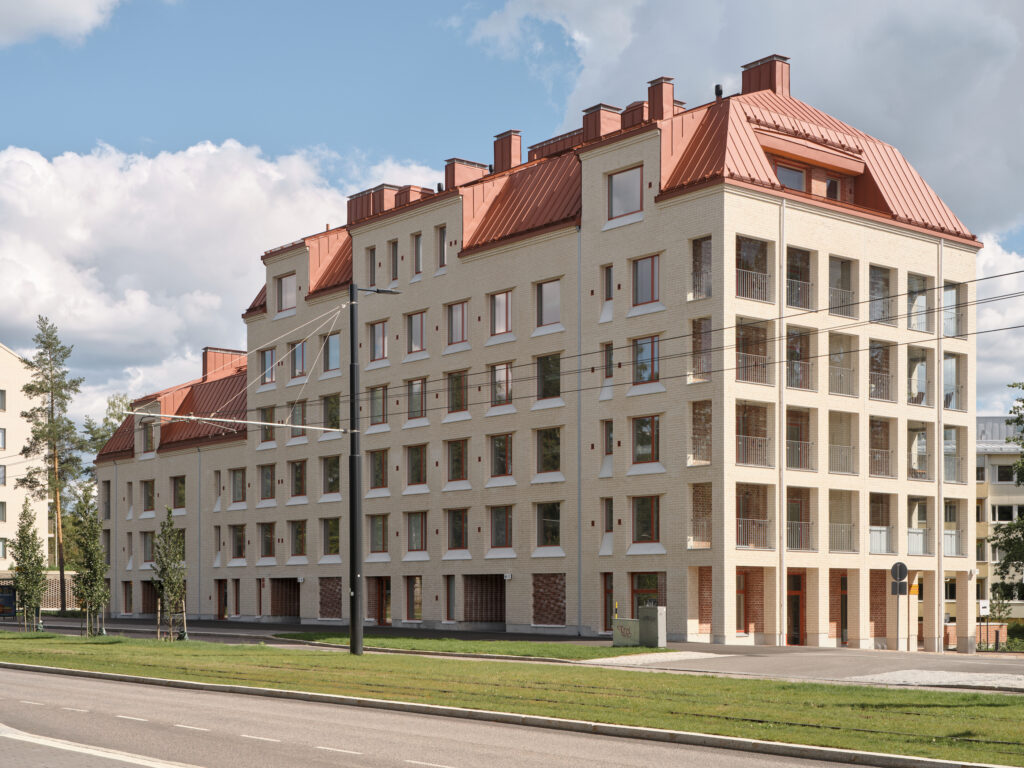
With its solid brick walls, Helsingin Muurarimestari, an apartment building designed by Avarrus Architects, is generous to tradition, but decidedly modern, writes Leonard Ma.
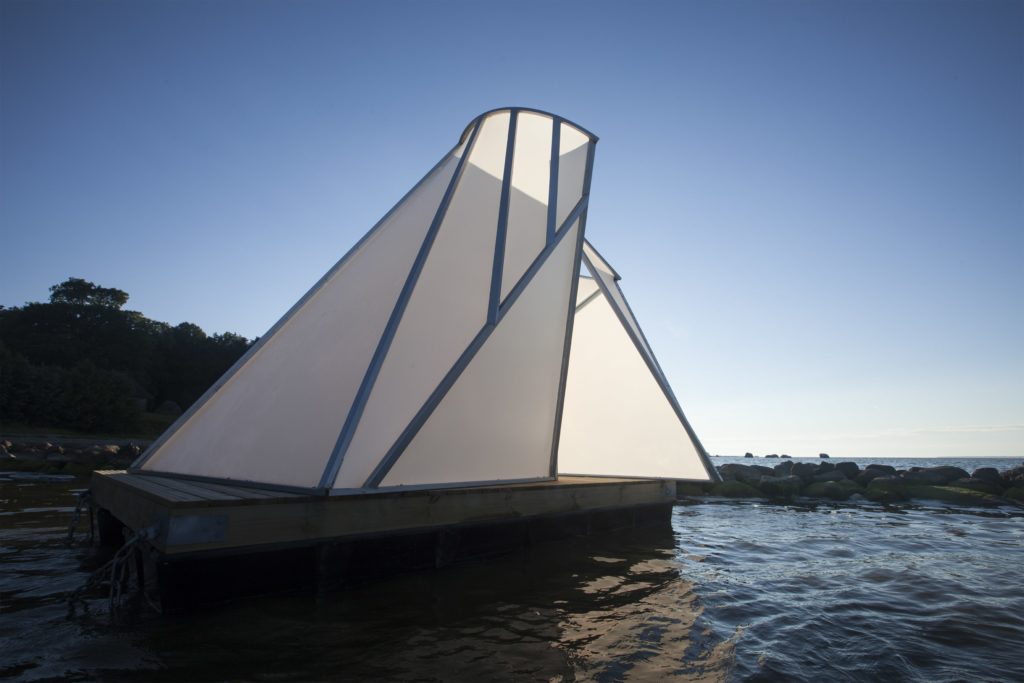
As part of her research for PhD thesis, Marianne Jõgi designs and builds objects which on the surface appear as installation art, yet on a deeper level raise meaningful questions about architecture.
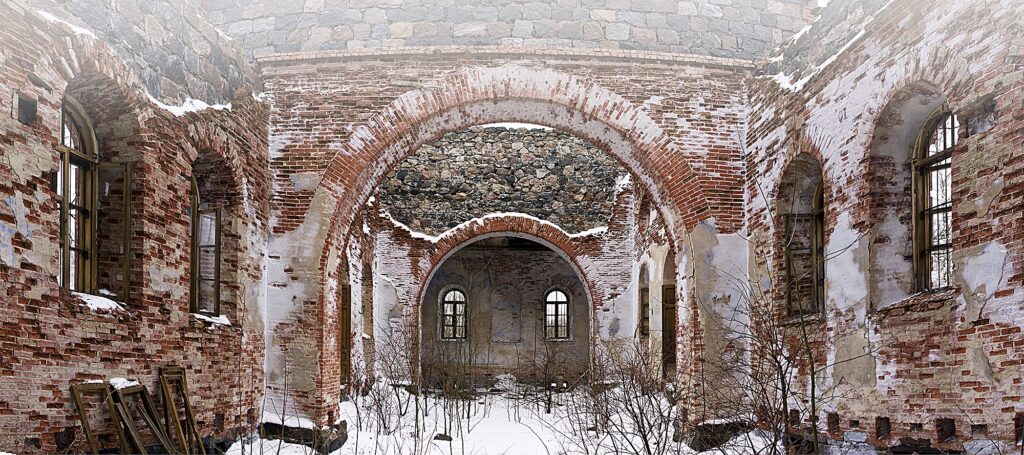
There are approximately 50 unused or ruined churches in Estonia. The Master’s thesis suggests establishing columbaria, i.e. burial places for cinerary urns, in abandoned sanctuaries in Estonia. Changing the condition of the buildings as little as possible is intentional: the lives of the buried souls and the sanctuaries that surround them have ended.
“Coffee Morphoses” is a set of natural materials generated in the course of a practical study. By analysing the local organic resource, I came to ask if the waste of imported goods could become the new local raw material.
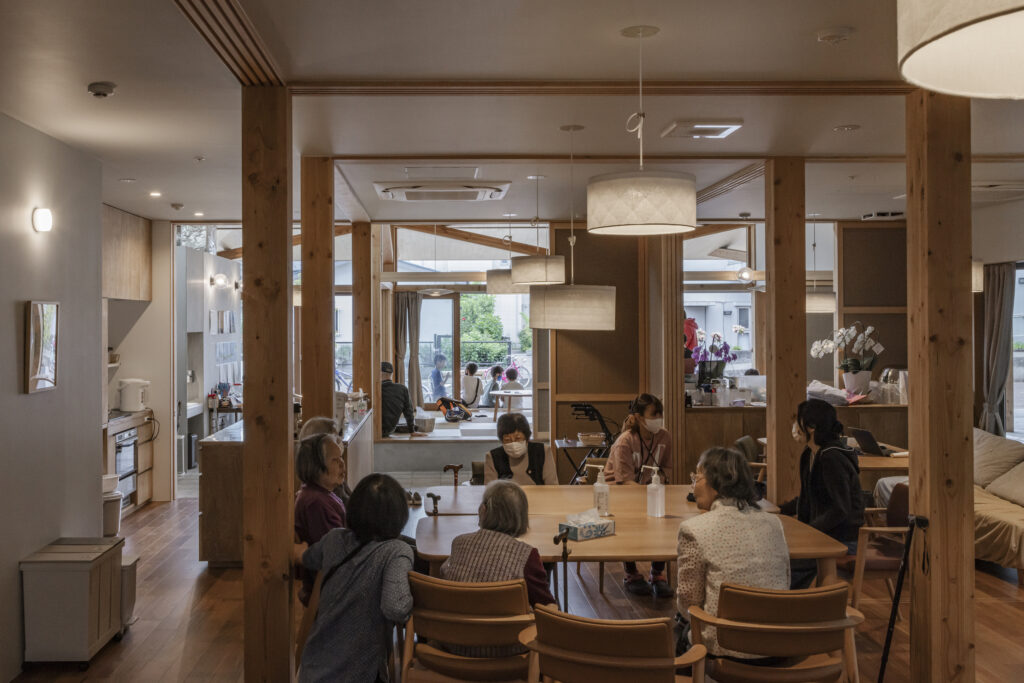
The aging population requires nothing less than a radical retooling of the territory, with architects and urban planners at the forefront of this transformation.
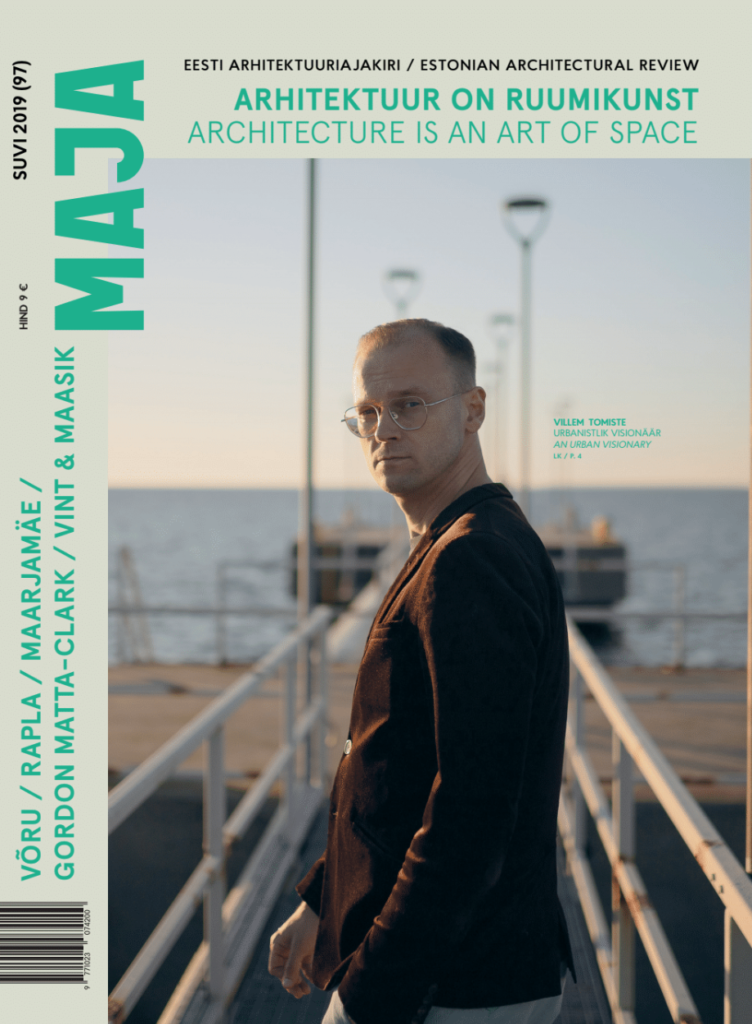
This issue of Maja focusses on infrastructure, first and foremost on the architecture of street space. Good architecture creates unity, is capable of solving problems and enables what at first appear to be conflicting interests to be realised. Connections that go unmade in a[n urban] space are like missed opportunities.