SMART
In 2013, American political theorist Benjamin R. Barber convincingly argued that contemporary cities are better poised than nations to solve global problems. According to Barber, this is also true for the responses to climate change: ‘Where states can be said to have done the least, cities have done the most.’
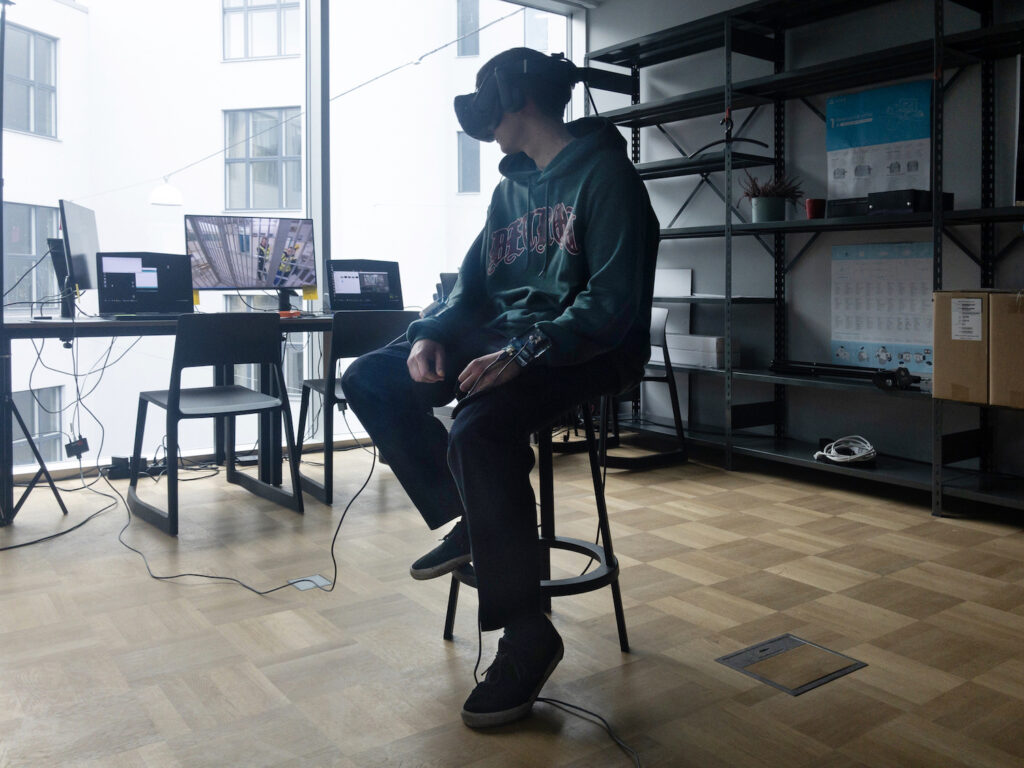
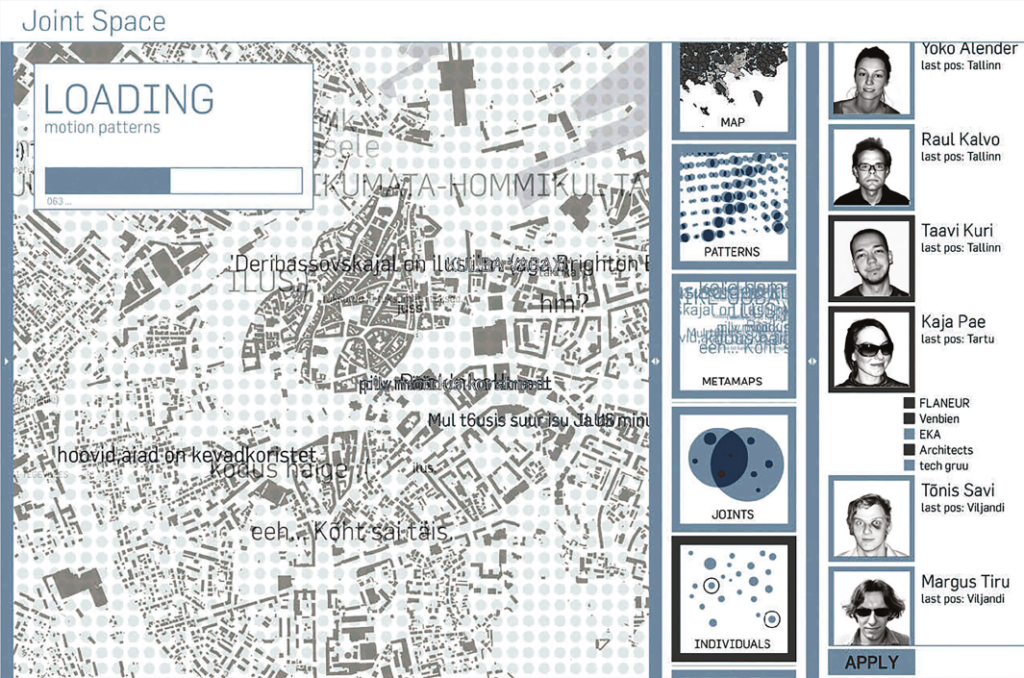
Biometric technologies and spatial computing—could enhanced communication between human and machine transform our spatial experiences beyond all recognition?
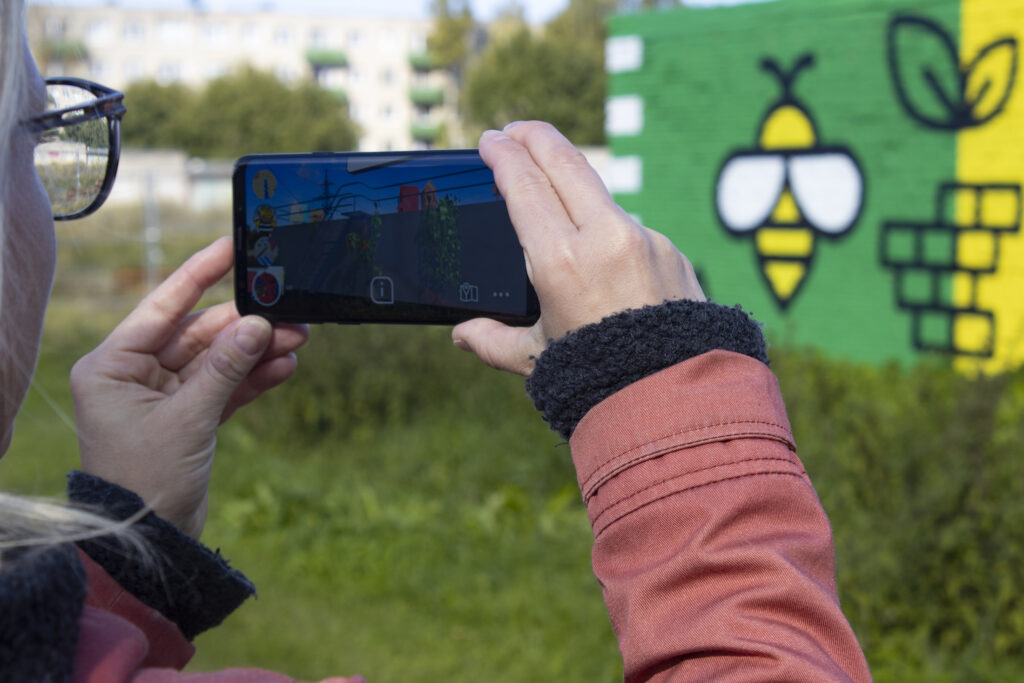
Apps and other digital applications have gradually found their way into the spatial design toolkits of Estonian local governments. I asked various local governments what kind of digital co-creative and engagement tools they have launched for smart governance.
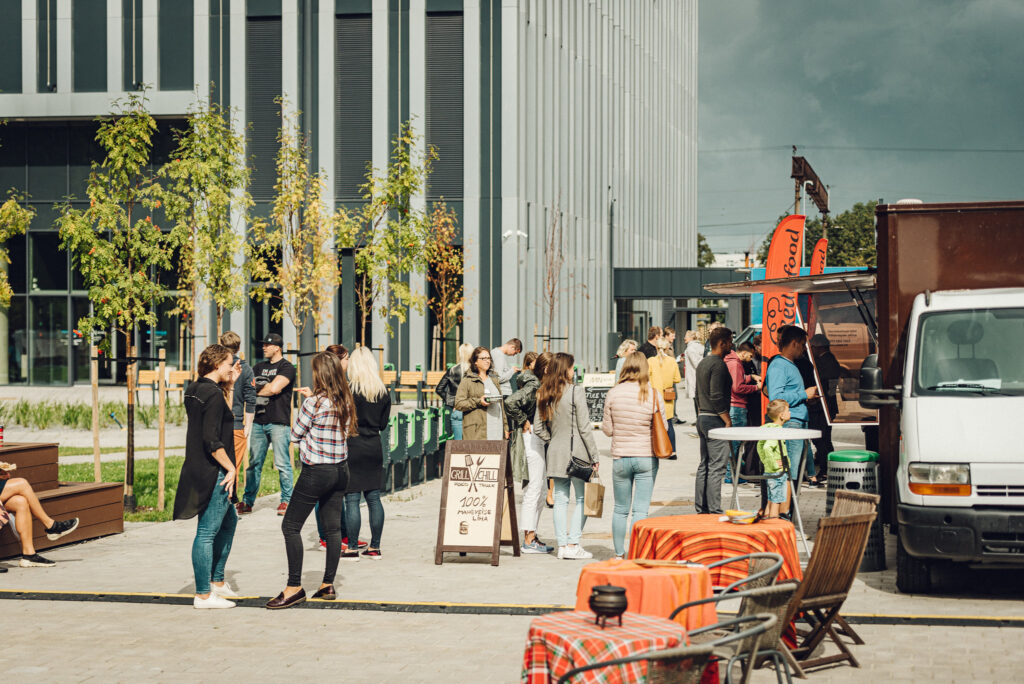
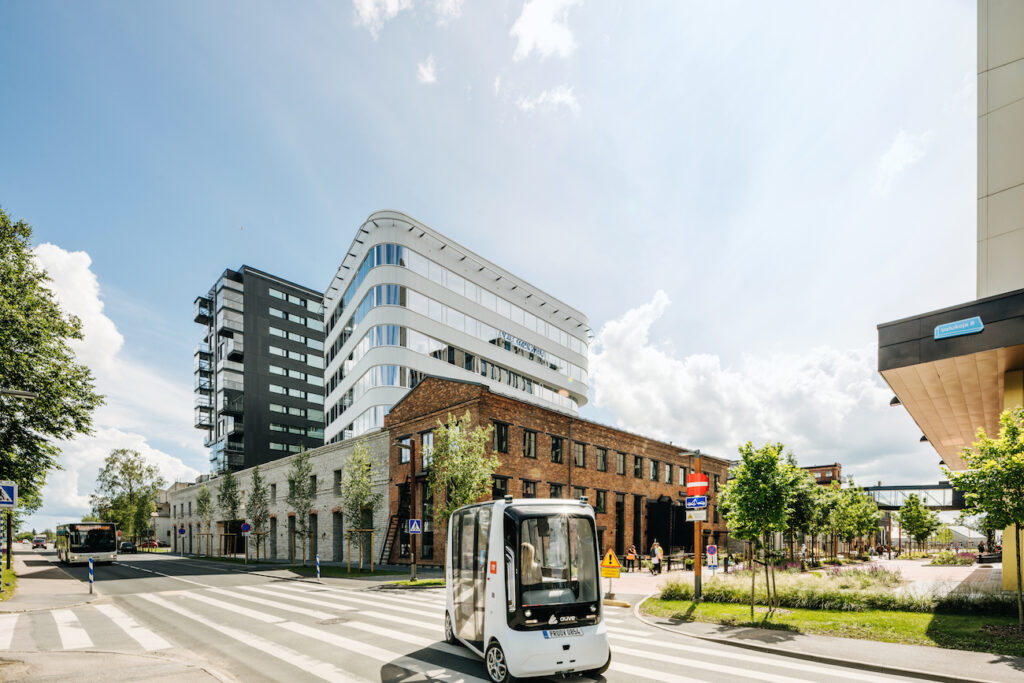
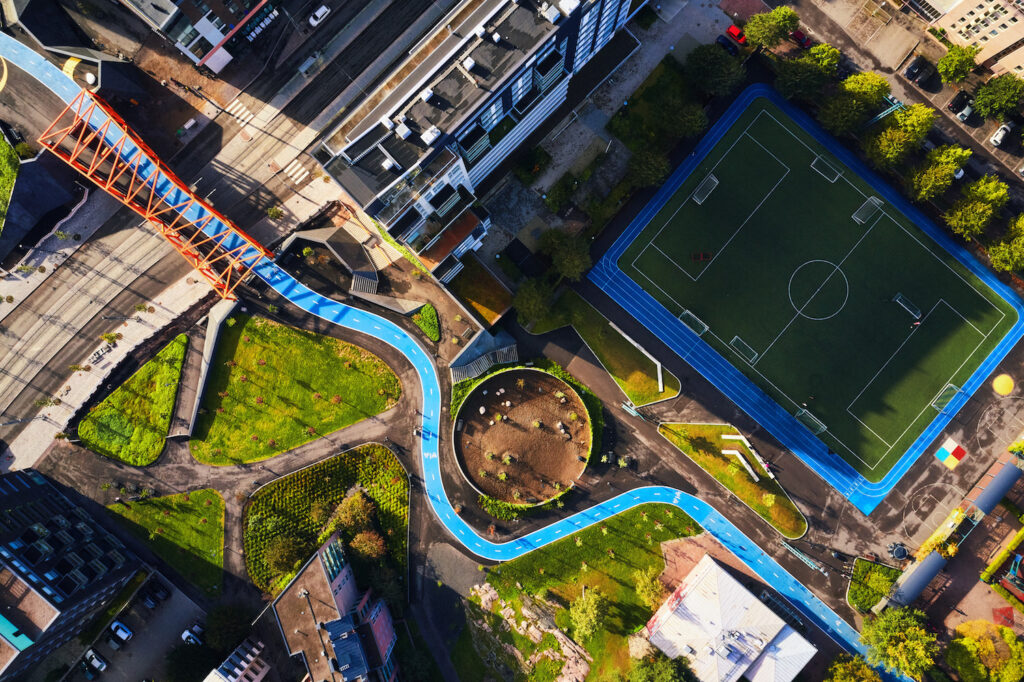
Ülemiste City has in the past 15 years evolved from industrial urban fringe to international smart city district. We inquired from the developers about the problems they are tackling in Ülemiste district and how they are assisted by science and technology in solving them.
Achieving balance in the planning of natural and artificial environments necessitates tools that provide both the expert and the resident a comprehensive overview of landscape quality in different regions. What are the tools to assist in the analysis of life-based data?
Does the legal space facilitate or hinder us in turning living environment in Estonia smart and in a smart way?
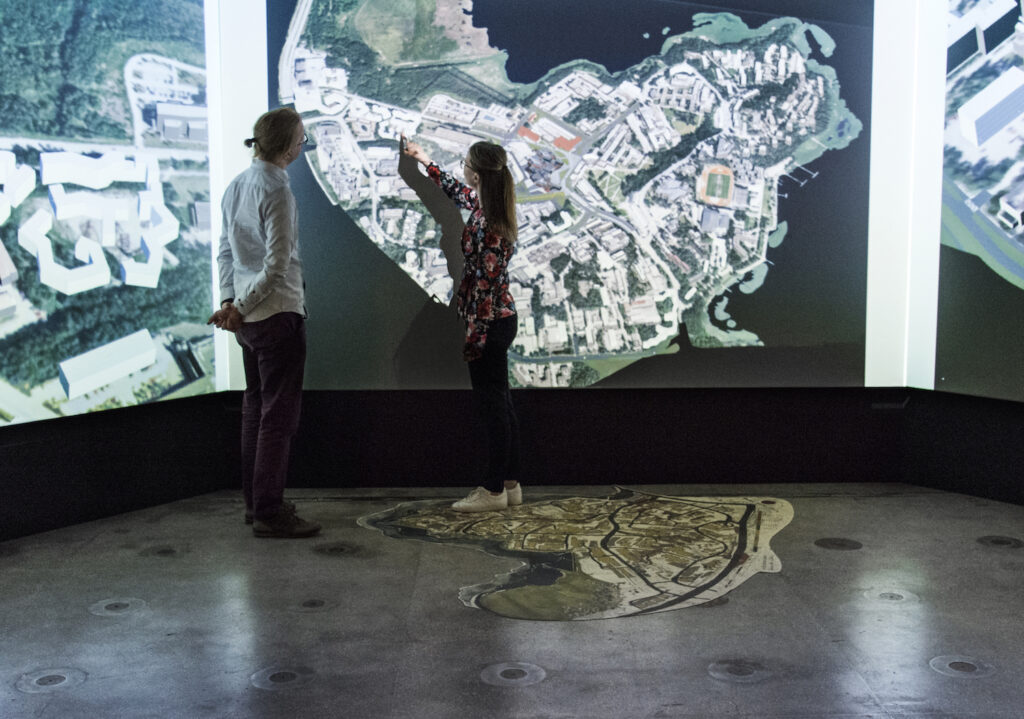
Jenni Partanen, the Future City Professor at TalTech, discusses the challenges in planning a smart city and introduces her research plans, using Ülemiste City in Tallinn as an example.
Estonian mobility entrepreneurs are on their way to the top. Kaja Pae asked Estonia’s flagship mobility entrepreneurs about their innovative practices and how they portray the future of mobility.
Life-centric approach in architecture and spatial planning may pave the way for more symbiotic relations between nature and the city.
The greatest challenge for Estonian towns and rural municipalities is to move from governing to enabling. An enabling locality facilitates its residents’ initiative and cooperation between local actors .
Postitused otsas
ARCHITECTURE AWARDS