Abandoned Sanctuaries

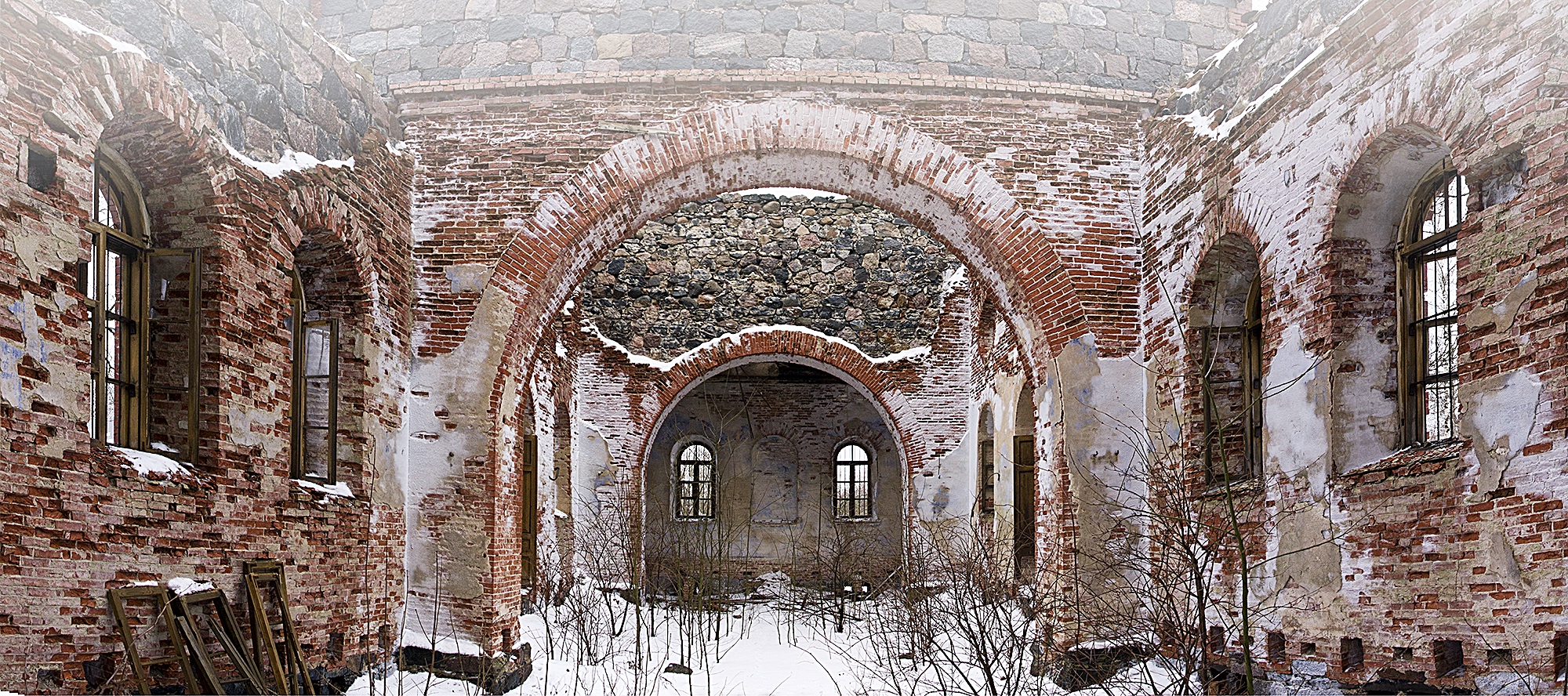
There are approximately 50 unused or ruined churches in Estonia. The Master’s thesis suggests establishing columbaria, i.e. burial places for cinerary urns, in abandoned sanctuaries in Estonia. Changing the condition of the buildings as little as possible is intentional: the lives of the buried souls and the sanctuaries that surround them have ended.

Coastal Cultural Spaces. Revitalizing of Peripheral Coastal Communities

Delving into characteristic coastal community places is one option for boosting Estonia’s coastal landscapes. The selected coastal cultural spaces – Liu boat workshop, Kabli bird station and the former polder field with an abandoned pump station – are places on the coast of Pärnu Bay that are worth reviving for the benefit of locals and visitors alike.

A City Square Fighting Pathos

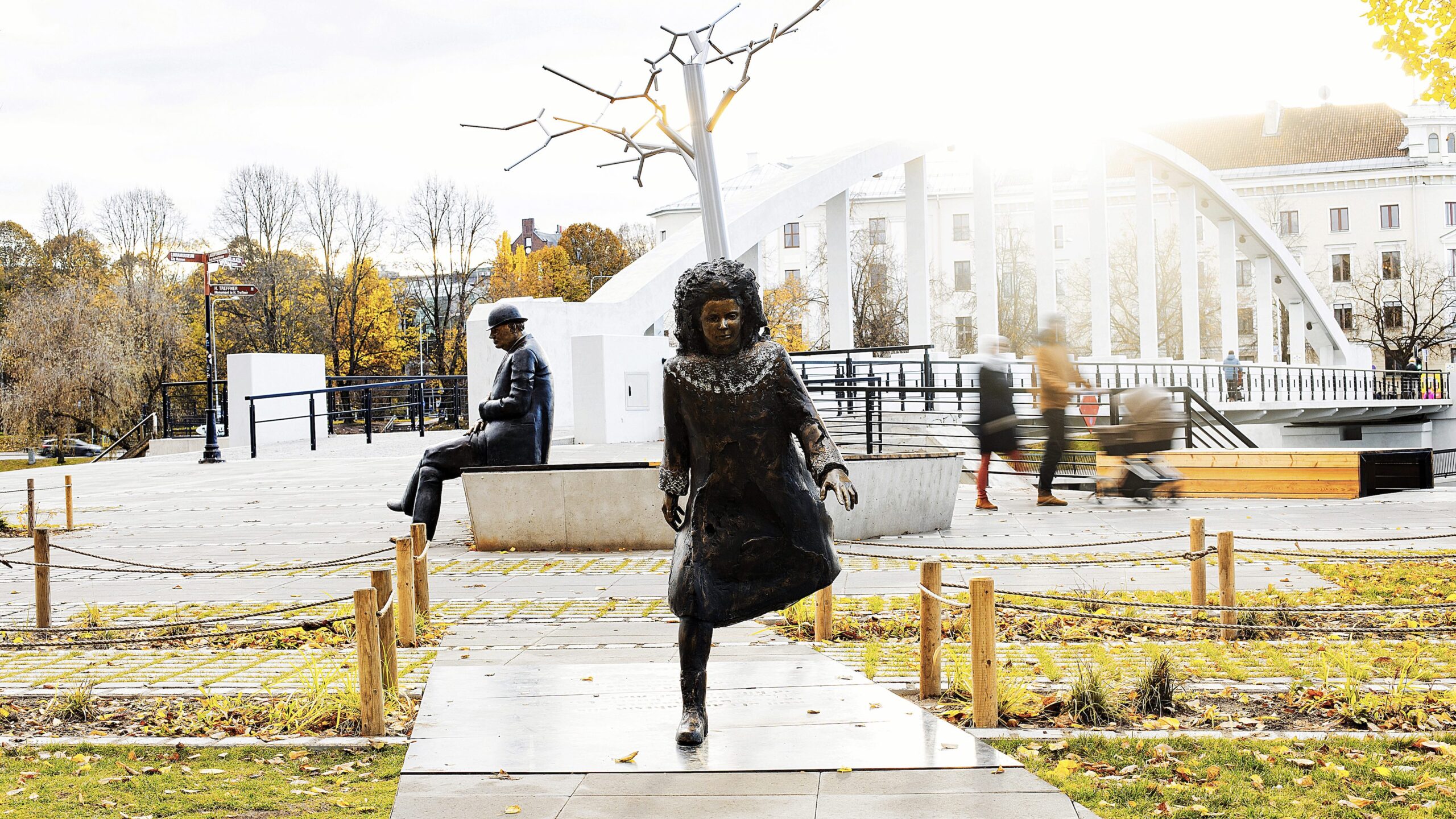
The monument dedicated to Lydia Koidula and Johann Voldemar Jannsen near the Arch Bridge in Tartu may be discussed primarily in two respects – in terms of sculptures and landscape architecture. The memorial square strives for the human-scale but how successful is it?

Curating Shrinking. The Spatial Strategies on the Example of Estonian Small Towns

The Master’s thesis is concentrated on four Estonian small towns (Mõisaküla, Püssi, Kiviõli and Räpina) implementing three stages: intervention, new programme and planning. The intervention is a small-scale realization of an idea, such as an installation, which functions as a test to initiate a dialogue with the residents of the town. The new programme describes the implementation of the idea in a small town, including a new function for a plot by which both the urban landscape and structure undergo changes.

East: Negotiating Projects

I sat down with Judith Lösing, Julian Lewis and Dann Jessen, the three directors of East Architecture Landscape Urban Design Ltd., the architecture office I work with in London. As an office it is not uncommon for us to exchange ideas and discuss matters that might not have a direct connection to a project but that are a part of a wider architectural discussion. For this issue, I invited the three directors to discuss the way East’s practice that spans around 20 years relates to the theme of authorship in architecture and how practicing more or less exclusively in London shapes that relationship.

Call and response

Nobody in the architectural domain still regards Contextualism still in terms of mimicry or imitation. A good building is not designed by doing like the neighbors do, by keeping up with the Joneses. There is no such thing as contextual authenticity. On the other hand there is little believe anymore in the power of the iconic building. The contextual designer seems to be caught in the paradox of the personal creation of something that is recognized as local and impersonal.I will not try to rewrite the critique of contextualism in architecture. Rather, what I will try to do is say something about working methods. I will speculate on a ‘knowhow’ of contextualism, much rather than a ‘knowwhy’.