Simply removing the ‘foreign’ symbols offers no more than an ostensible solution, for dissonant heritage—a complex and controversial past, conflicting historical interpretations, etc.—need to be dealt with in a much more in-depth manner.
What is surprising and innovative about Fahle Park Gallery Street compared to earlier reconstructions of industrial architecture?
Why is it no longer possible for 21st-century Estonia to continue without a spatial development office, and what kinds of new values would the new office create?
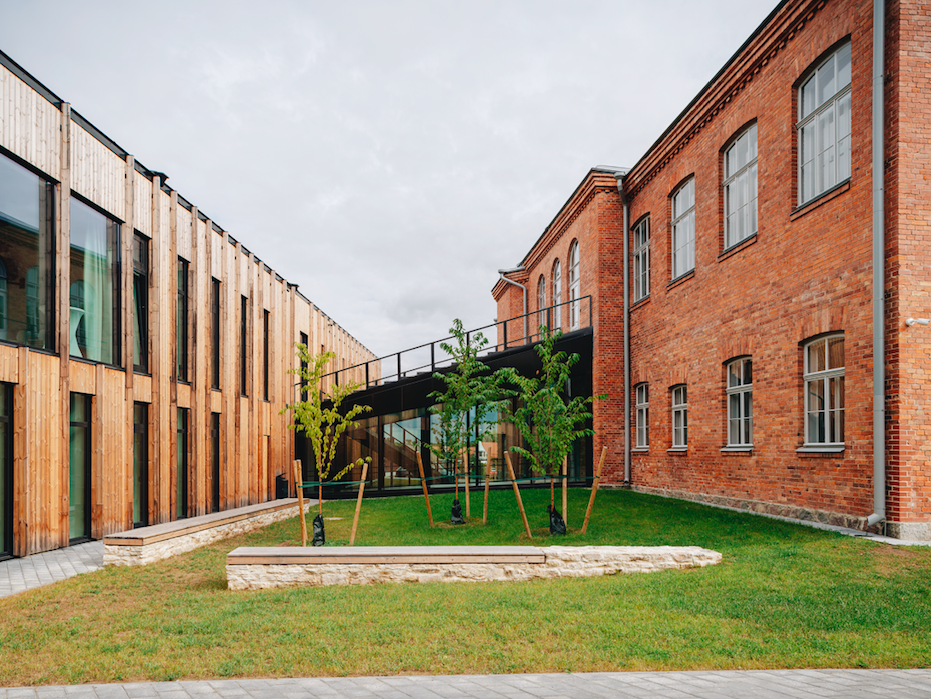
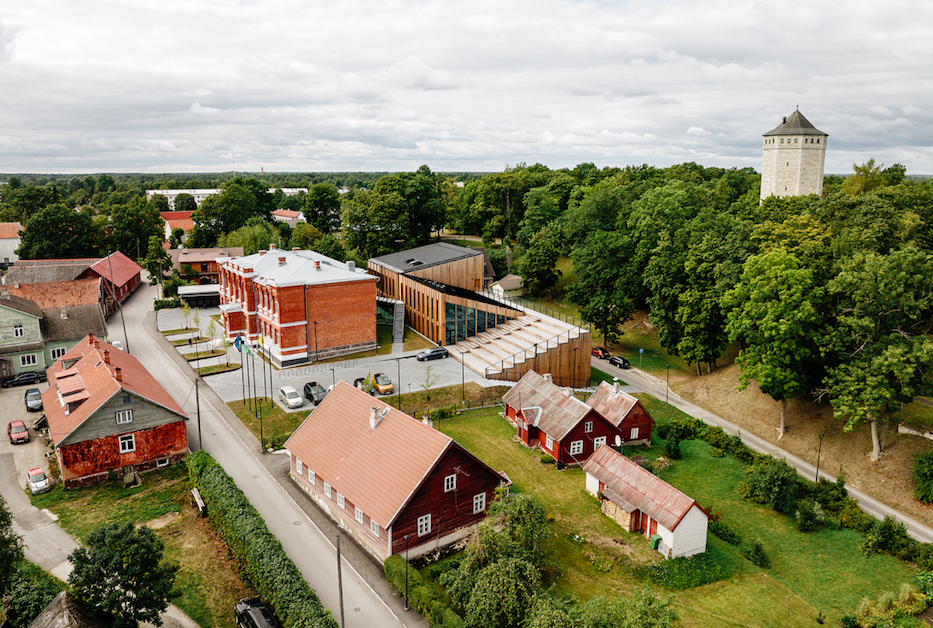
Paide State Secondary School is an excellent example of the mutually complementary dialogue between a historical space and contemporary architecture.
We have gained an unprecedented amount of trust from our employers. Work has suddenly become dispersed, taking place asynchronously at different locations and different times. One gets a sense now of deeper reflection on how companies should organise their work and inspire their workers. This has led to a shift in understanding—what takes place within the environment has begun to affect the environment itself and its fundamental idea, which in turn guides the aesthetic decisions on space.
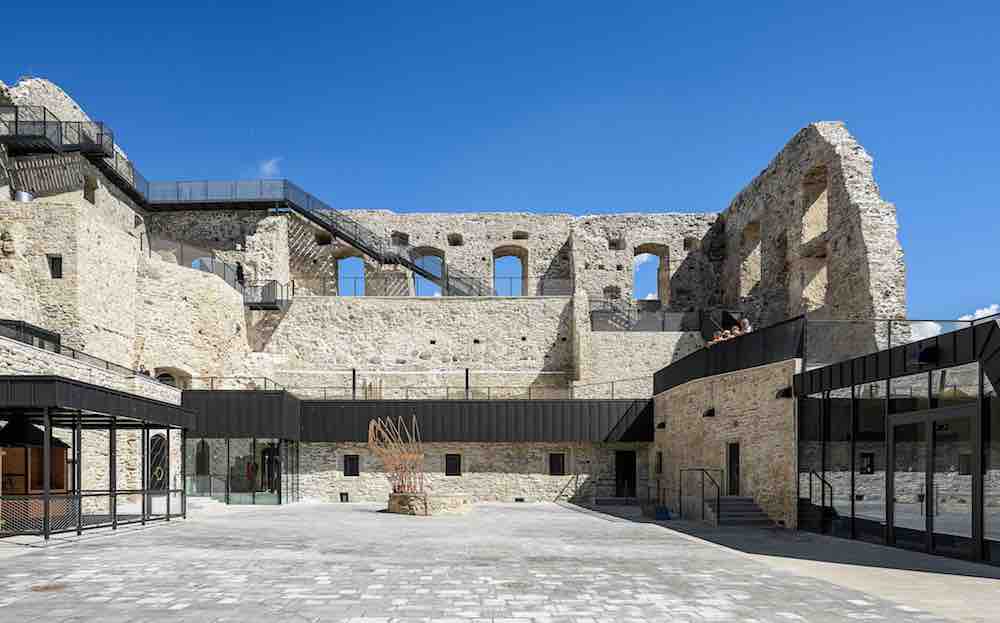
The stories we have heard ever since the beginning of the century about the merchandising of museums and the transformation of all culture into an unending festival are greatly exaggerated. The new cultural buildings are good examples of state-commissioned public spaces that are quite self-aware with no desire to go along with the general trends of commercialisation.
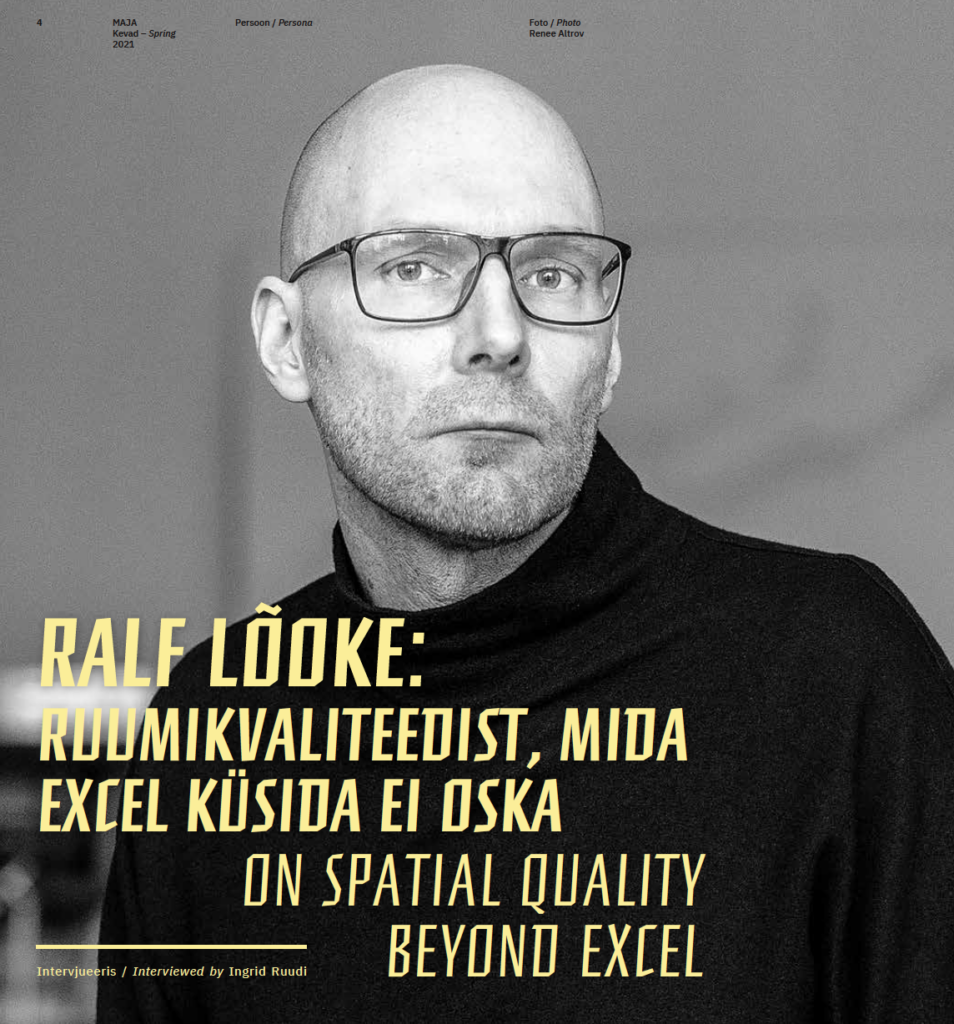
Teist põlve arhitekt Ralf väidab, et tal ei ole eriala suhtes illusioone; seda muljetavaldavama järjekindlusega seisab ta projekteerimisprotsessis arhitektuurse tuumidee säilimise eest. Arhitektiks olemine defineerib Ralfi kogu tegevust ja maailmavaadet töötegemisest reisimiseni – võib-olla ainult muusikal õnnestub hetkiti samavõrdse tähelepanu eest võistelda. Küsis Ingrid Ruudi.
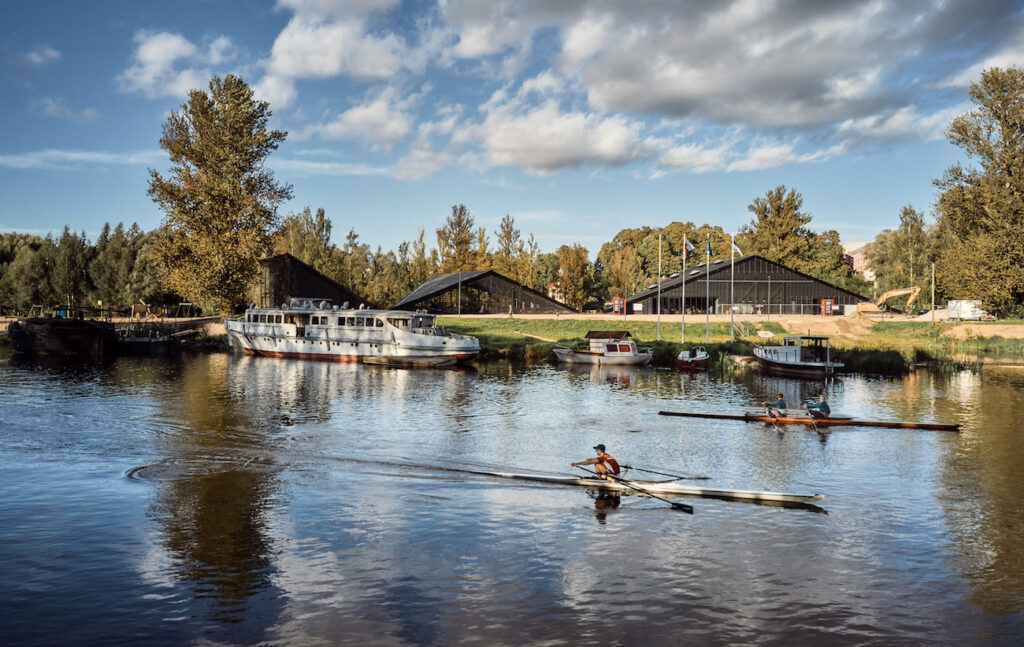
The buildings of Barge Yard wish not to reduce to inconspicuousness or to gently stroke the viewer’s gaze; they have a much broader agenda—to stand behind creative values even after solving the maze of practical questions.
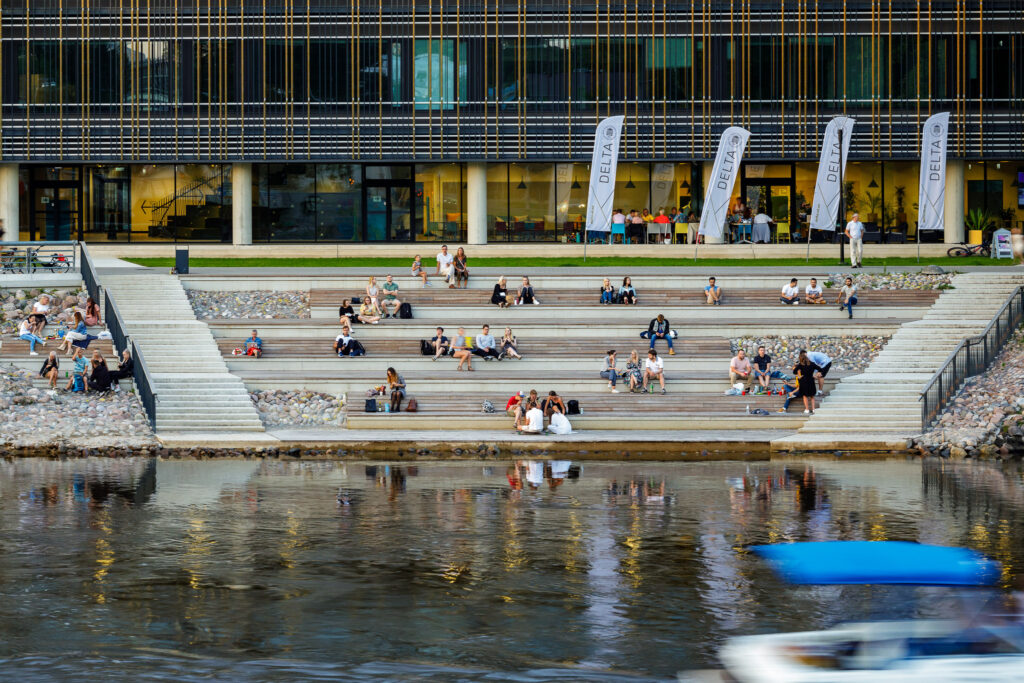
How can human well-being and cognitive processes benefit from evidence-based design? We discuss it on the example of teaching and research facility in the Delta Centre of Tartu University and the creative house Vita of Tallinn University.
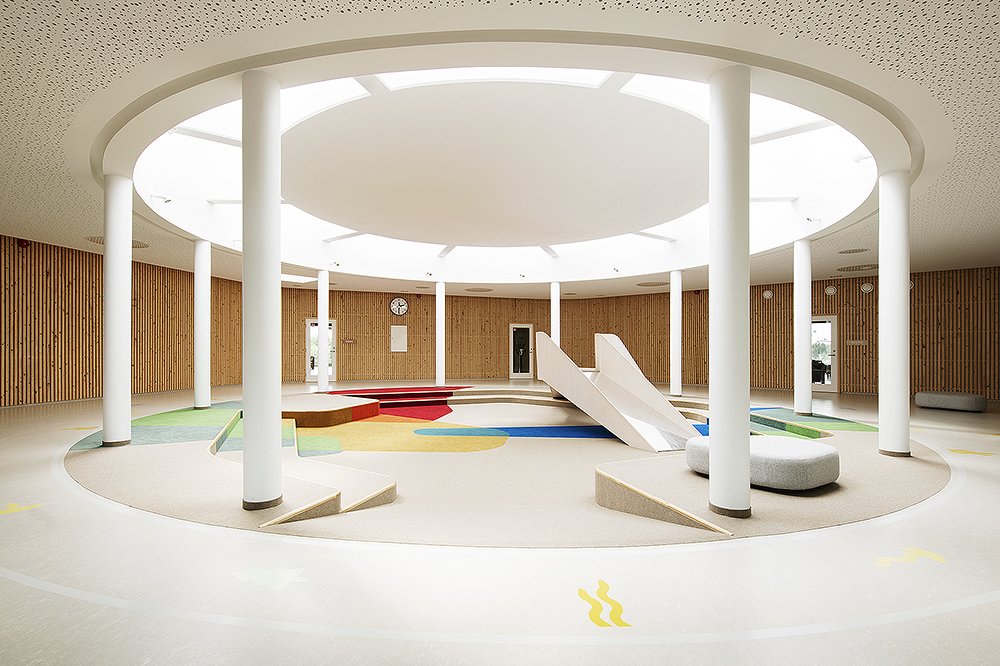
Several public buildings that form functional miniature ecologies, impacting our human qualities and sense of proportion through their scale, have been erected in Purtse and Palamuse.
No more posts