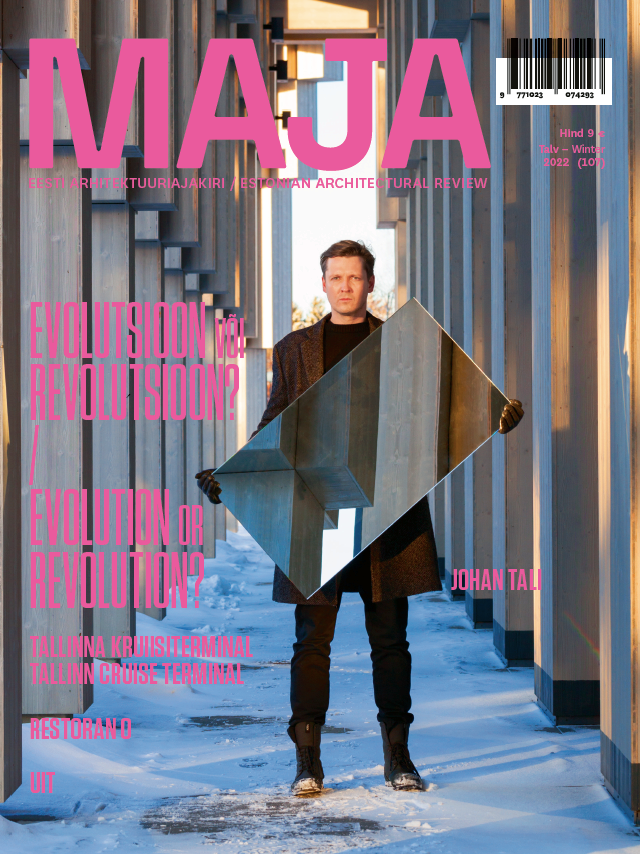
Winter 2022 (107): Evolution or Revolution?

(R)evolution 〉Jaak Tomberg, Urmo Mets, Kaja Pae (text below)PERSONAJohan Tali. Only Cities Can Save Us Now! 〉Interviewed by Joonas HellermaVisioning 〉Kaja PaeThe New Cruise Terminal in Tallinn 〉Tuomas SilvennoinenA Low-Tech Table 〉Hannes PraksZerotopia 〉Kalev RajanguSPECULATIVE PROJECTS Los Angeles Cultural Hypertrophy 〉Sille PihlakThe Vision of Heliorg in Harjuoru 〉Villem TomisteDigital Park 〉Lauri EltermaaDark Matter 〉Ahti Sepsivart A

One More Museum, Please!

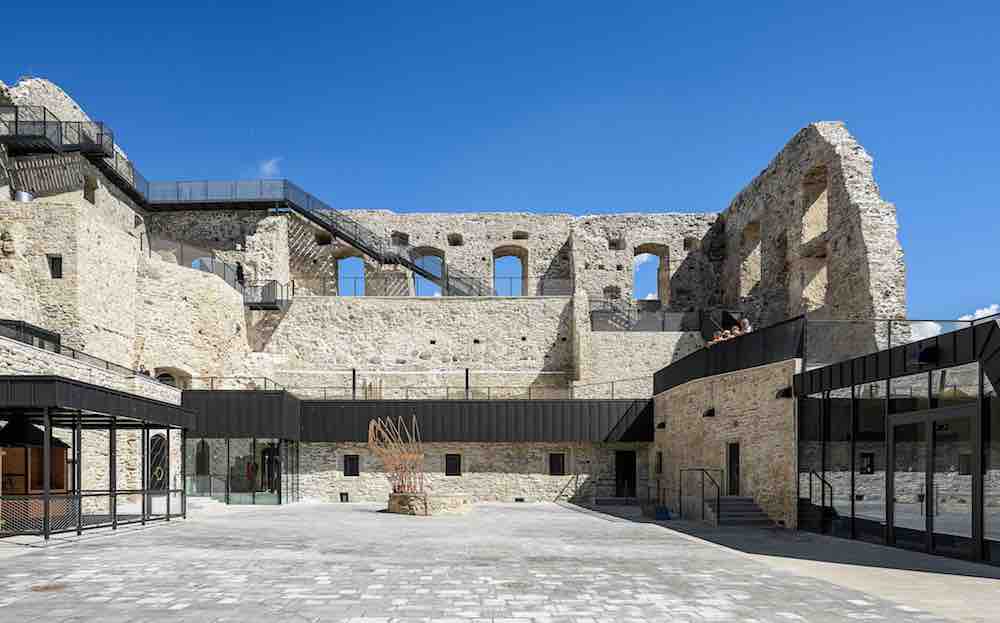
The stories we have heard ever since the beginning of the century about the merchandising of museums and the transformation of all culture into an unending festival are greatly exaggerated. The new cultural buildings are good examples of state-commissioned public spaces that are quite self-aware with no desire to go along with the general trends of commercialisation.

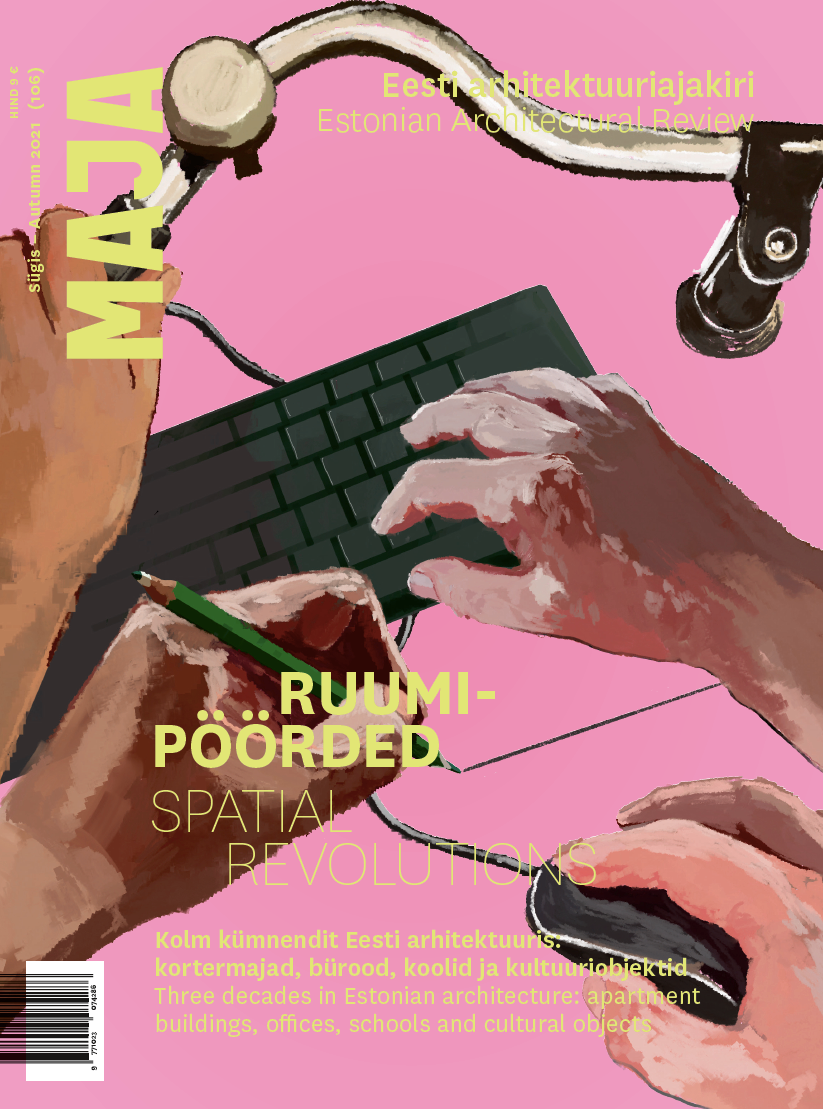
Autumn 2021 (106): Spatial Revolutions

How does change in society reflect in architecture? In order to answer this question, we look back on the spatial design in the thirty years of regained independence. What kinds of spaces have accommodated us in the last three decades at work, in school and while enjoying culture? What have our homes been like?

In the Long Run we are all dead

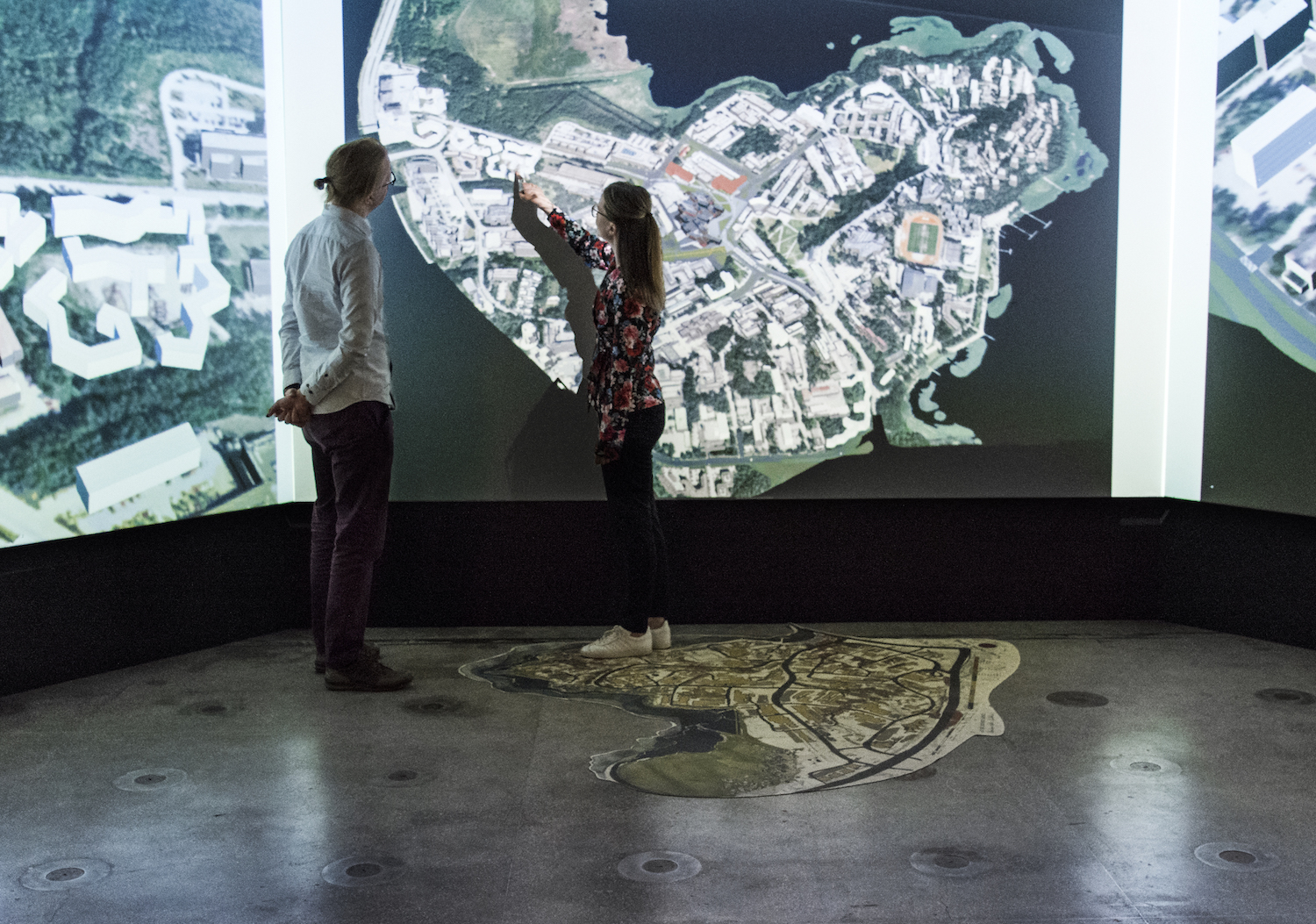
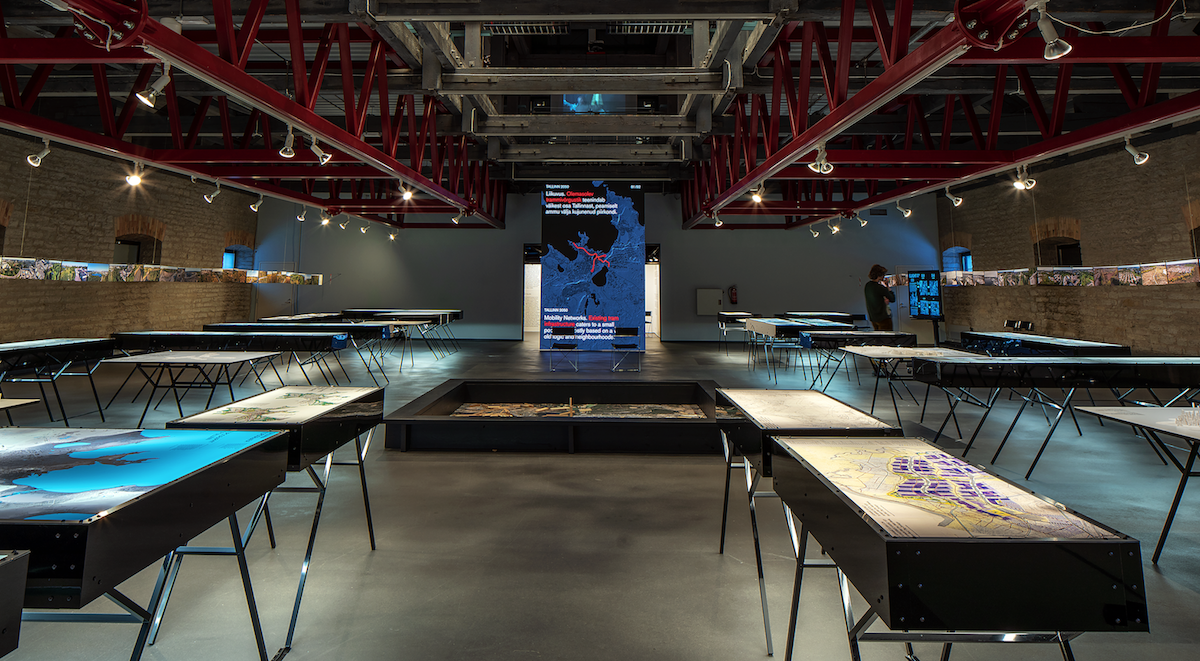
The exhibition ‘The City Unfinished. Urban Visions of Tallinn’ at the Museum of Estonian Architecture 22.01–16.05.2021. Curated by Johan Tali, design Raul Kalvo, graphic design Stuudio Stuudio, translation and proofreading Kaja Randam, Kaisa Kaer, Mirel Püss and Johan Tali. The research project ‘The City Unfinished’ conducted at the Faculty of Architecture of the Estonian Academy of Arts takes a look at the big picture in the city of Tallinn and the concerns and opportunities of modern urban planning.

New Urbanism and Landscape Urbanism. The Ideological Battlegrounds of a More Sustainable Urban Space

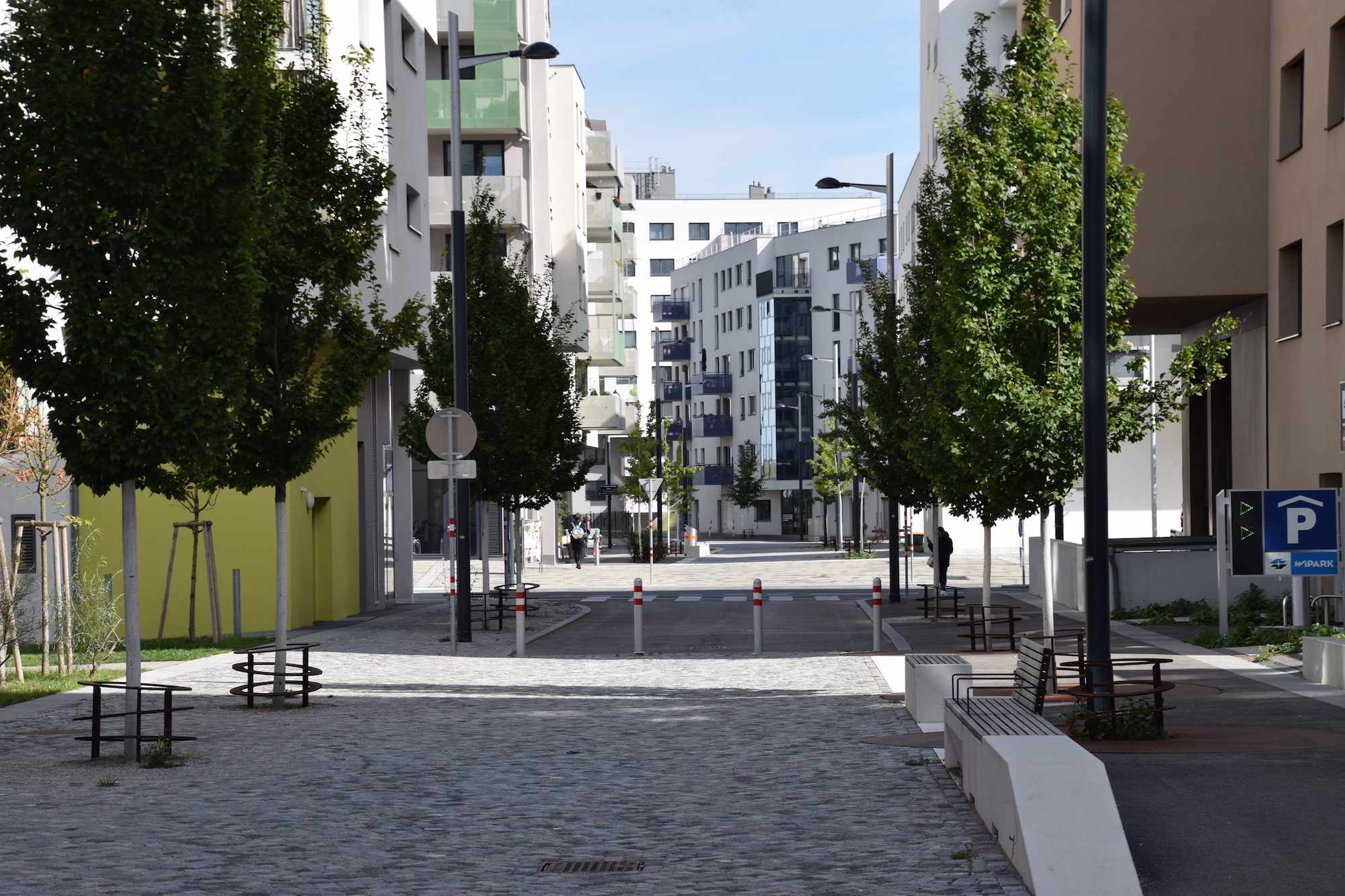
Discussions about how to plan a good city and what kind of buildings to construct are becoming increasingly relevant as mankind has reached a fundamental milestone: the majority of the society lives in cities. At the time of climate change, the issue of a sustainable city is more pressing than ever before also in Estonia, where motorisation is fast and local centres are subjected to urban sprawl. In this context, it is worth recalling the ideological principles of two urban design theories – New Urbanism and Landscape Urbanism – in order to set goals for the kind of space we want to move towards and the pitfalls to avoid on the way.