Smart Urban Future – How to Plan for Uncertainty?
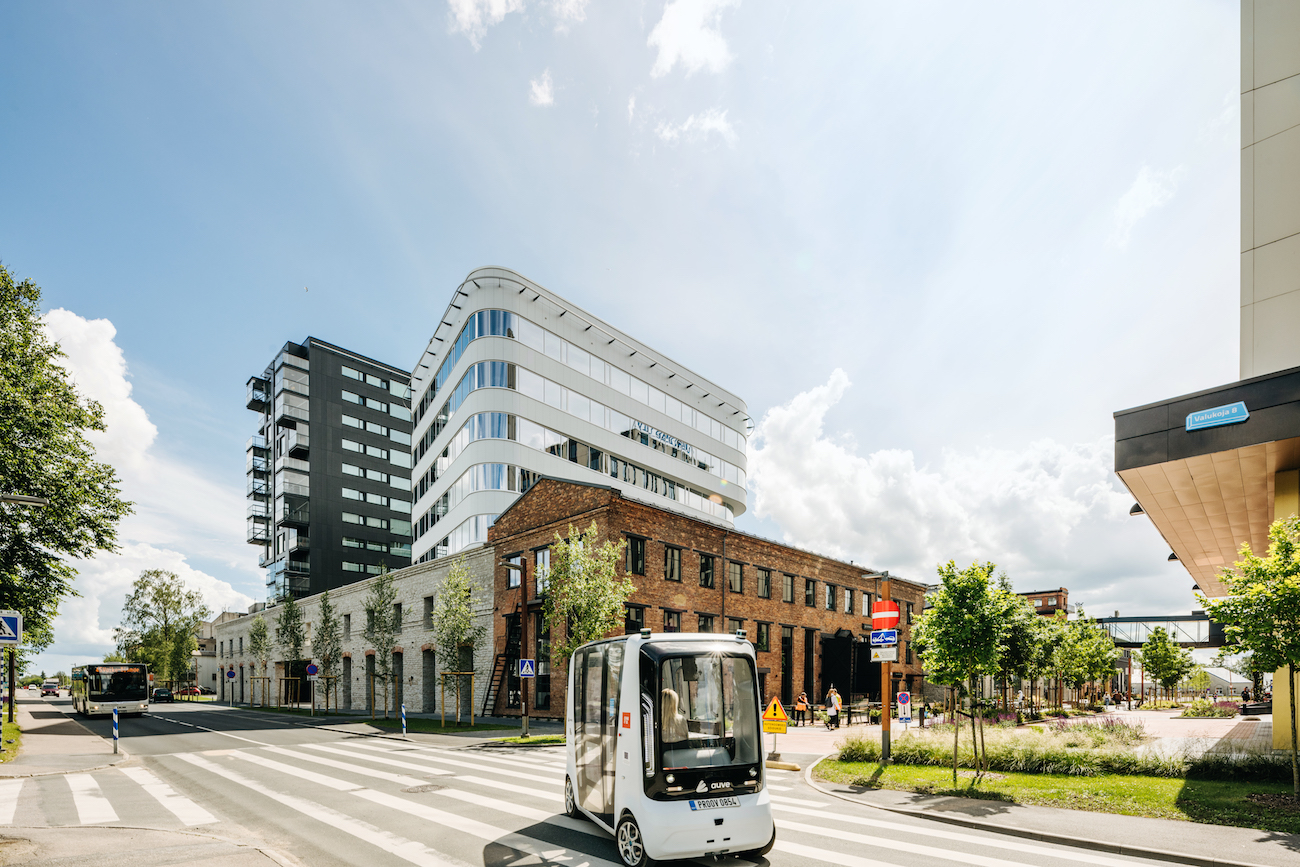
Jenni Partanen, the Future City Professor at TalTech, discusses the challenges in planning a smart city and introduces her research plans, using Ülemiste City in Tallinn as an example.

 kaire
kaire
Jenni Partanen, the Future City Professor at TalTech, discusses the challenges in planning a smart city and introduces her research plans, using Ülemiste City in Tallinn as an example.

Estonian mobility entrepreneurs are on their way to the top. Kaja Pae asked Estonia’s flagship mobility entrepreneurs about their innovative practices and how they portray the future of mobility.
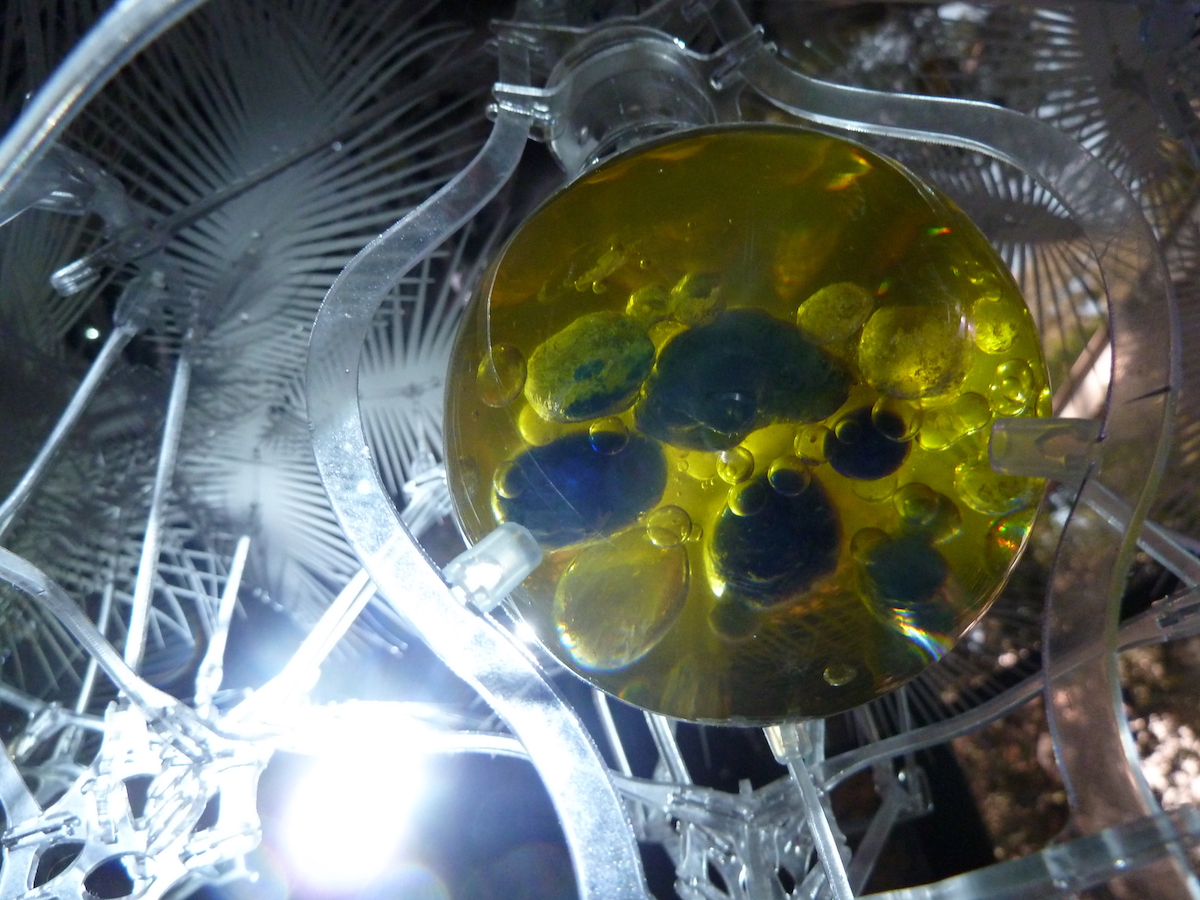
Life-centric approach in architecture and spatial planning may pave the way for more symbiotic relations between nature and the city.
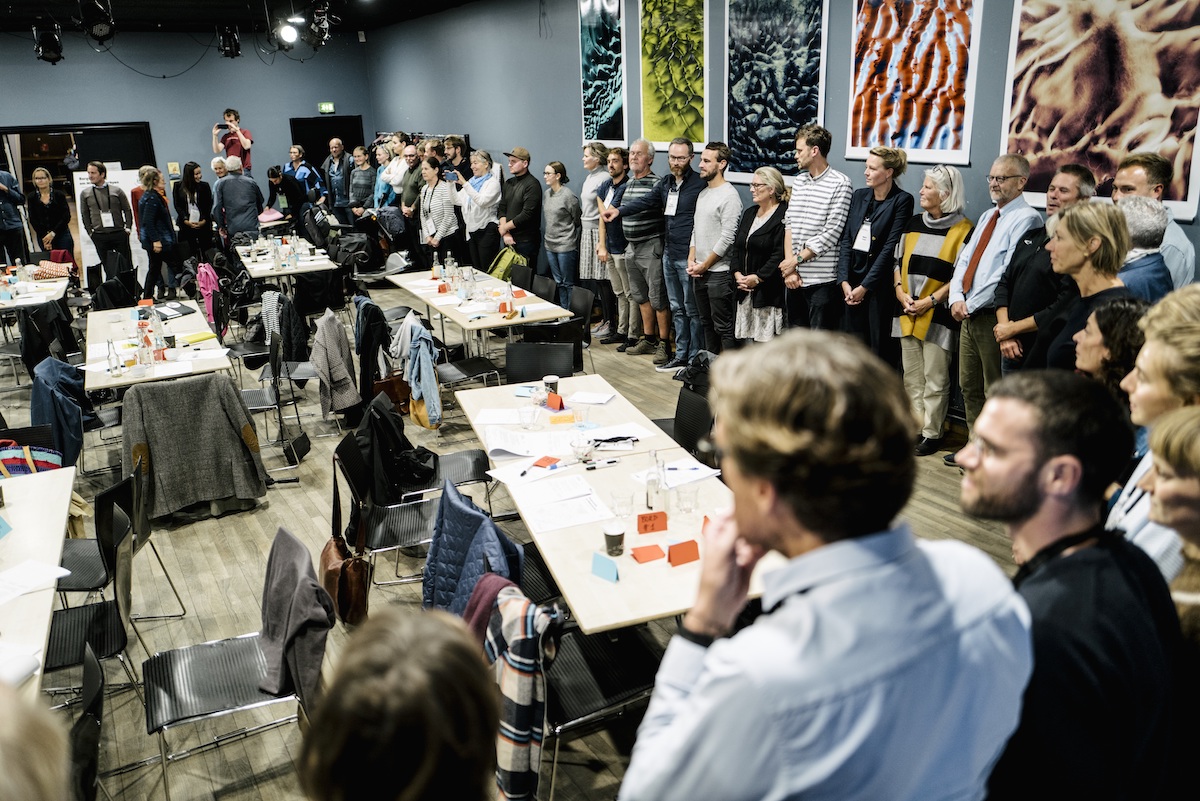
The greatest challenge for Estonian towns and rural municipalities is to move from governing to enabling. An enabling locality facilitates its residents’ initiative and cooperation between local actors .
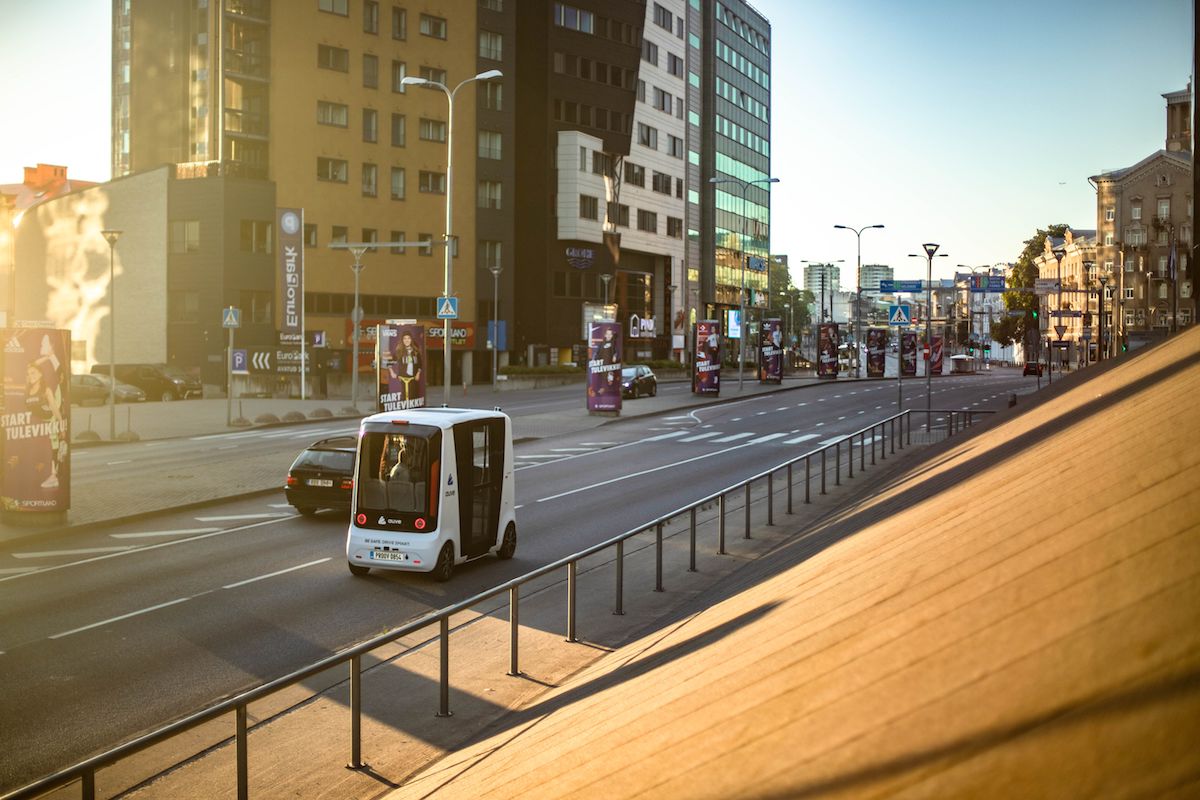
The FinEst Twins Smart City Centre of Excellence aims to establish a platform for Estonian smart cities to match Estonia’s high-level presence as a digital state. What are the challenges that Estonian municipalities must face when creating a smart living environment?

This article is based on Demos Helsinki’s report ‘People First: A Vision for the Global Urban Age’ published in June 2020.
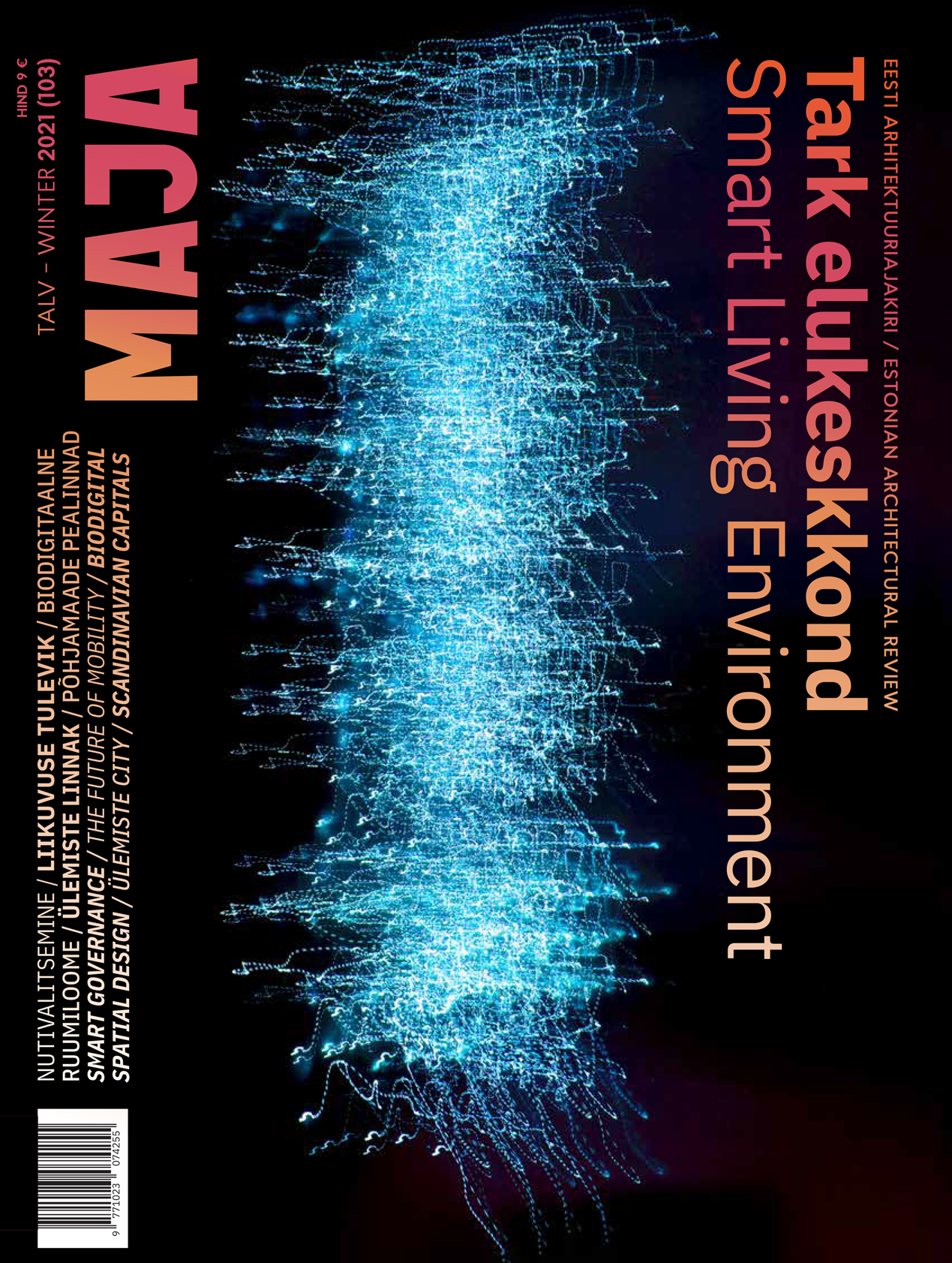
Smart cities are not merely for people and robots. Due to climate change and biodiversity decline, the combination of the physical and the digital is increasingly related to the needs of all species. Combining the natural and built worlds can be assisted by biotechnology, for instance, the use of bioreactors as a source of energy and by the smart application of landscape data in urban design, for instance, by means of biodigital twins or augmented reality. It shifts our perspective and poses the most critical and intriguing challenge of a smart living environment—how to adopt a life-centred rather than human-centred approach.

Bathology is an example of a possible artistic method which attempts to take into account the object’s perspective, the object as is. The budding bathology was inspired by the Lithuanian artist Marija Baranauskaitė and her exploration of sofanity. Namely, in 2018 she started developing the Sofa Project, a conceptual clowning performance where the target audience is not sentient, not even human but a sofa. In addition to being entertaining to human audiences as well as object-audiences (hopefully), it is also compelling for theoretical reasons, evoking among other things musings in the vein of Philosophy of Technology, Critical Posthumanism and Object-Oriented Ontology as well as exercises in non-anthropocentric thinking, and attempts to place something other than a human in the position of a subject.
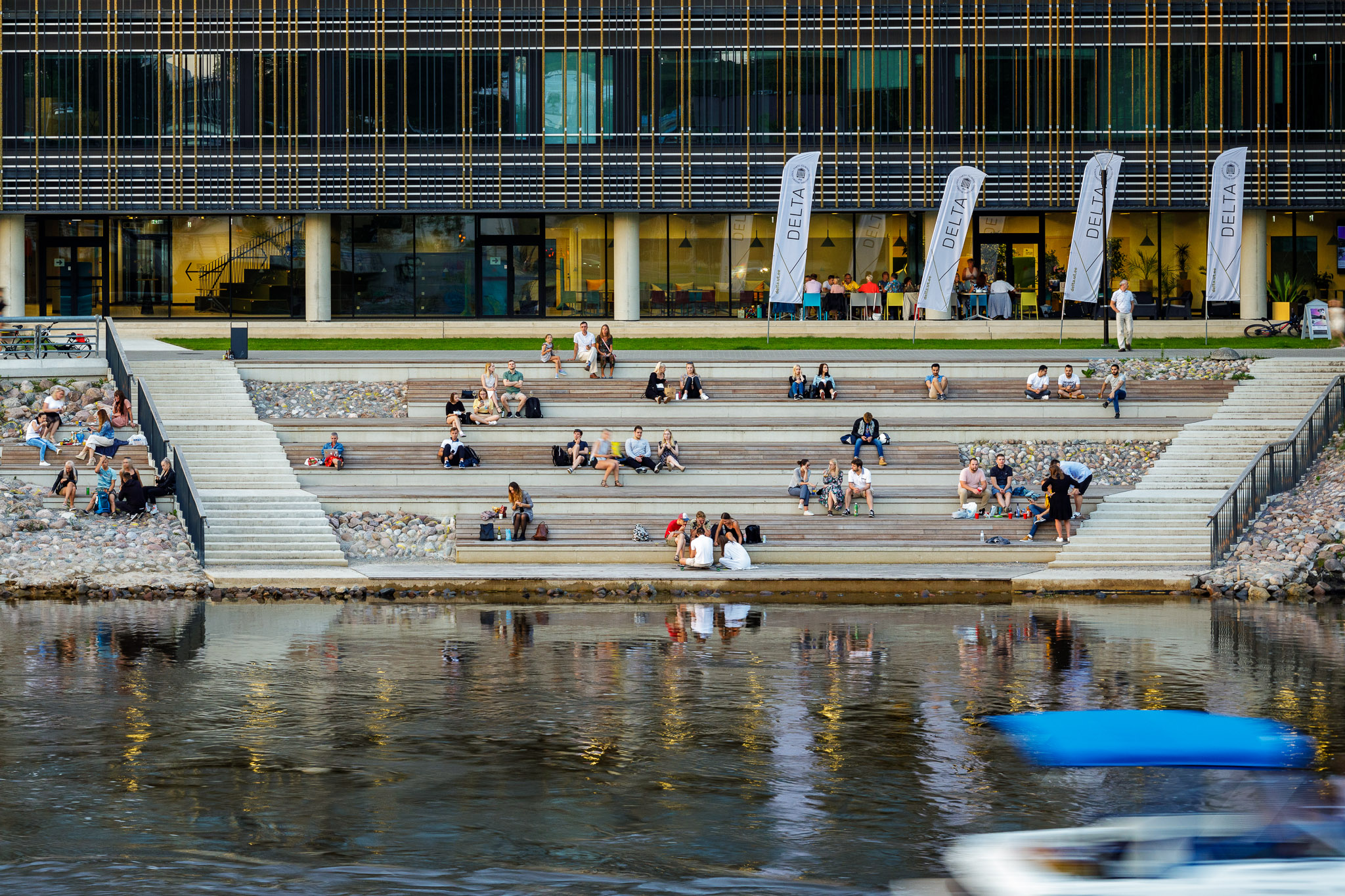
How can human well-being and cognitive processes benefit from evidence-based design? We discuss it on the example of teaching and research facility in the Delta Centre of Tartu University and the creative house Vita of Tallinn University.
This issue of Maja is dedicated to the 30th anniversary of the Estonian Association of Interior Architects.