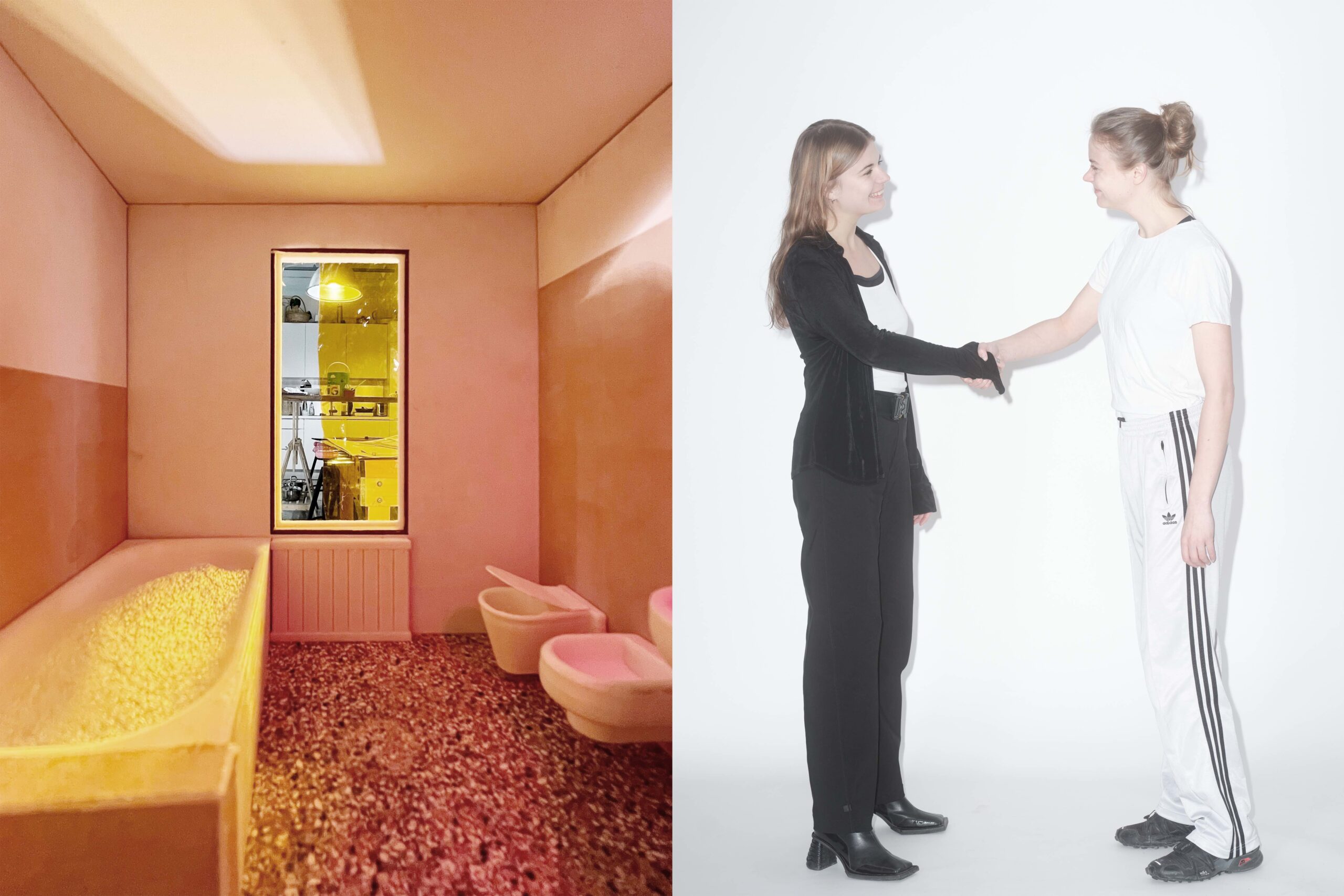
Hot Bath and Cold Deal: Living space’s two faces
Why not set a higher value on dispersal? Instead of living in just one place, and trying in vain to gather yourself together there, why not have five or six rooms dotted about Paris?

 kaire
kaire
Why not set a higher value on dispersal? Instead of living in just one place, and trying in vain to gather yourself together there, why not have five or six rooms dotted about Paris?
Most people are more or less consciously preparing for old age, the most ordinary and nationally approved preparation consisting in accumulating money into pension funds. Are we opening Pandora’s box when we ask how and if these most common investment funds affect environmental and social developments now and in the near future?
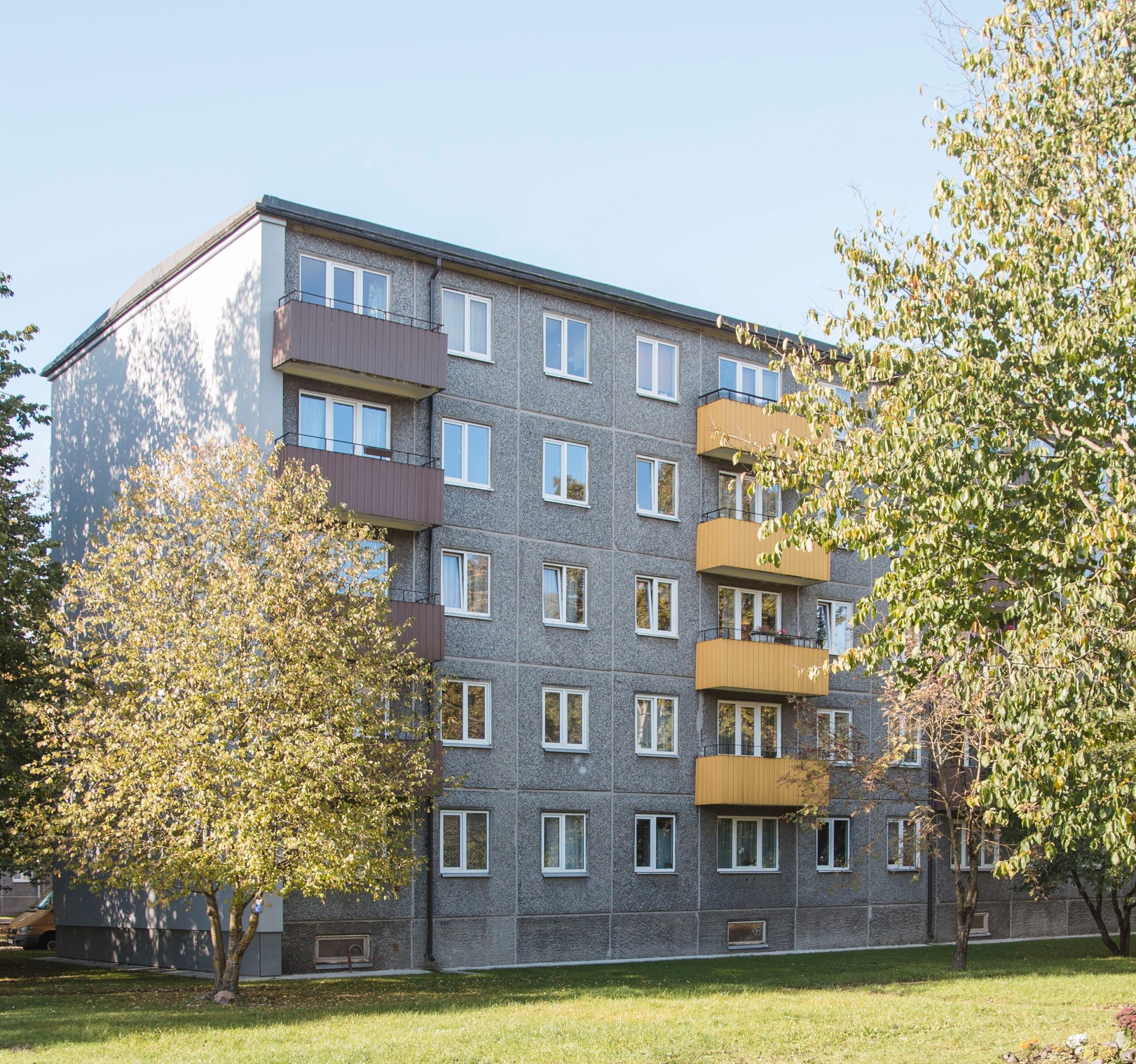
The expiration of a building’s service life does not mean the building has exhausted itself, say Simo Ilomets and Anni Martin. They see the renovation of Estonia’s ageing housing stock and the reuse of building material as a technical as well as a creative challenge where architects’ involvement is essential.
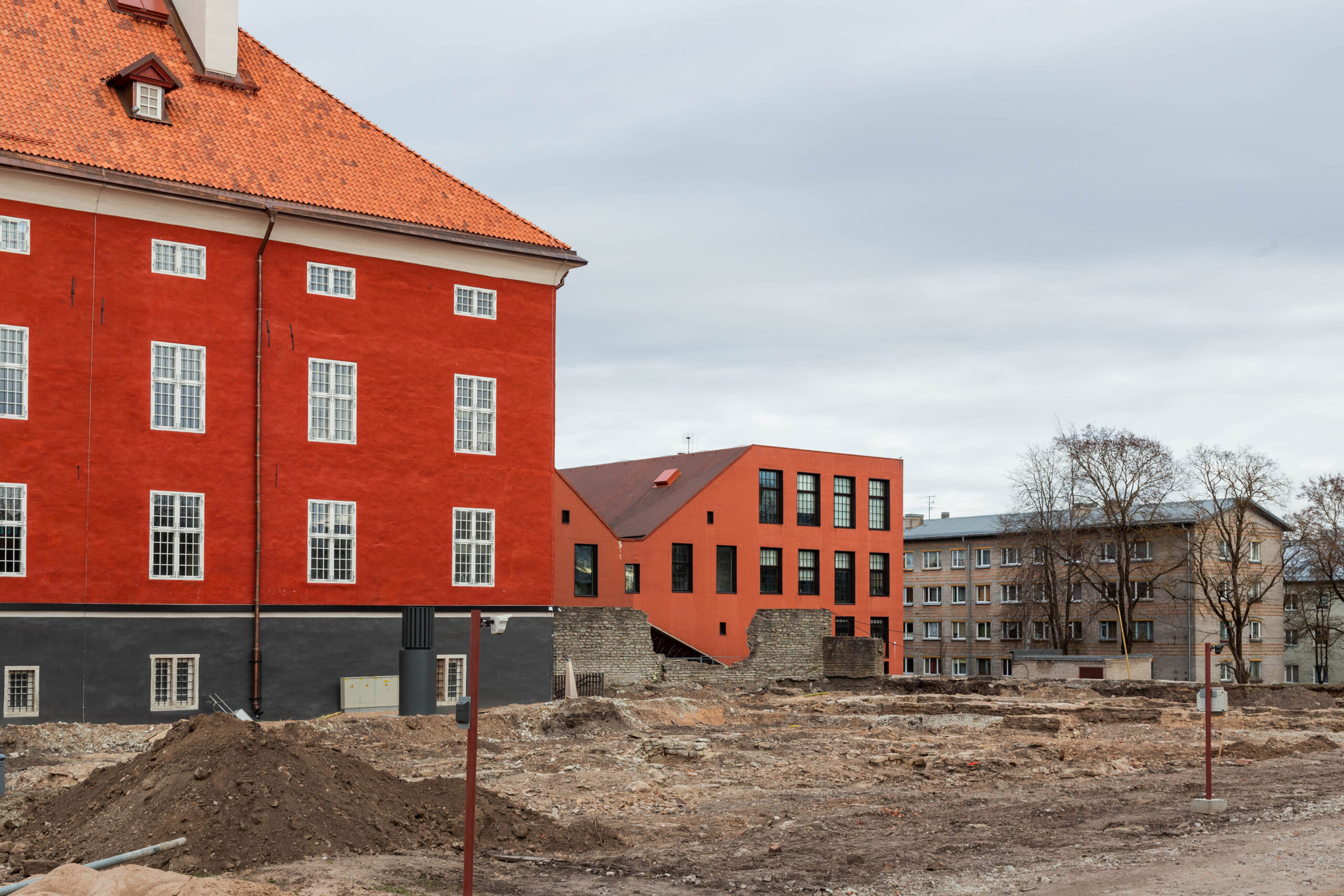
For many years, a dumb witness to the rich history and architecture of Narva on the wasteland bordered with Soviet brick apartment buildings, the Town Hall of Narva is about to be revived, Madis Tuuder accounts.
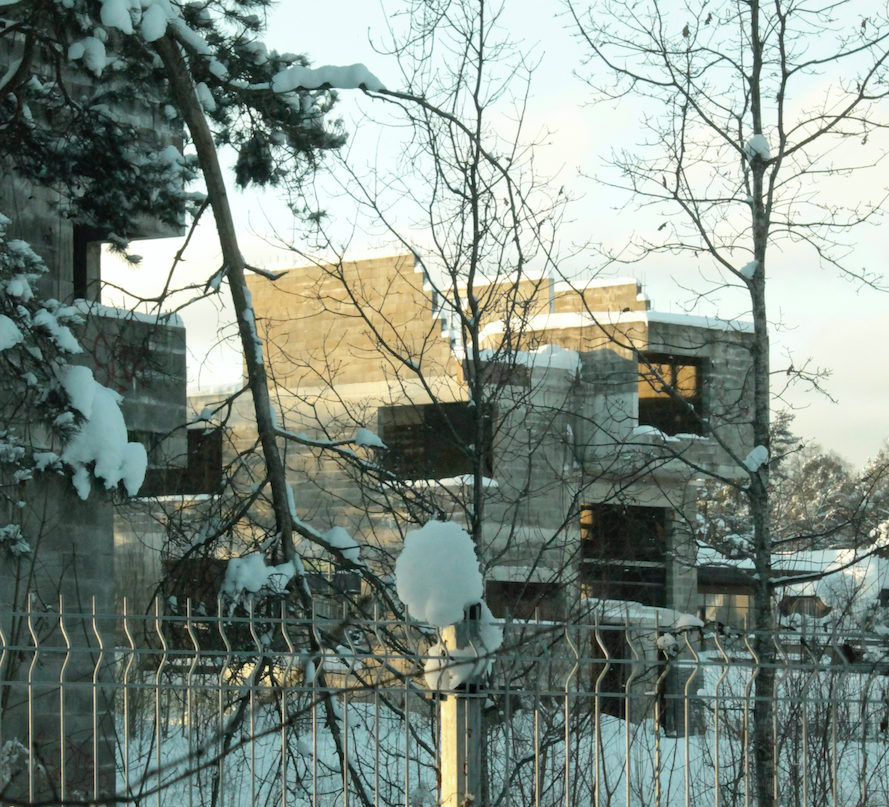
Any kind of construction must be stopped. Based on her Master’s thesis ‘30 Years of Pause. Research about doing not’ that she defended at the Eesti Kunstiakadeemia / Estonian Academy of Arts in 2021, Ulla Alla asks, “Is it enough already?”
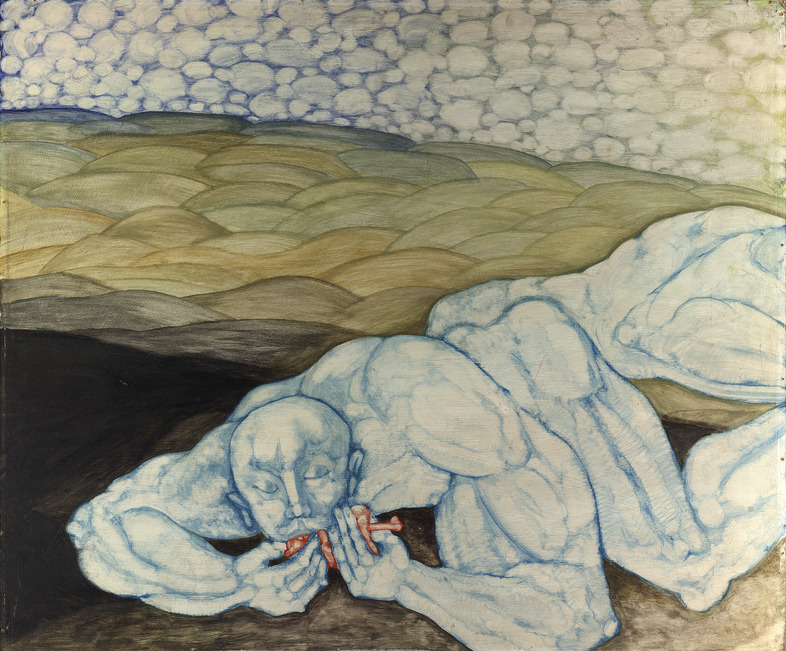
The responsibility of the architect in sustainable use of natural resources should not be underestimated as construction is directly related to the transformation of the material taken from the ground according to the design drawn by the architect. Architecture from the perspective of limited resources, writes Roland Reemaa, will be faced with several challenges that are directly related to the origin of raw materials.
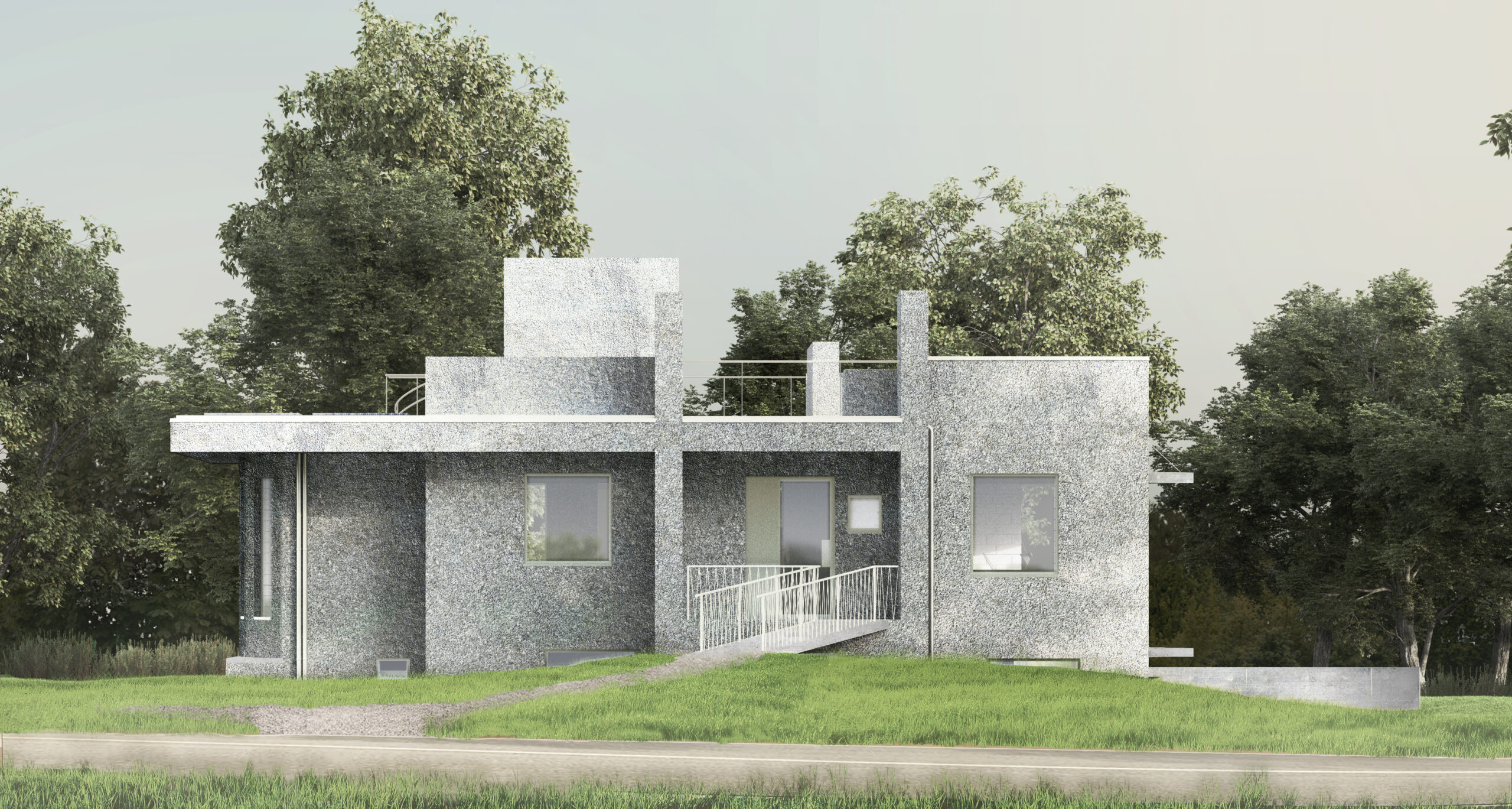
Dagnija Smilga, a founder of the Latvian architecture office Ēter, discusses the project for a single-family house that was halted in the early 2000s, but is now revived under new ownership and architects.
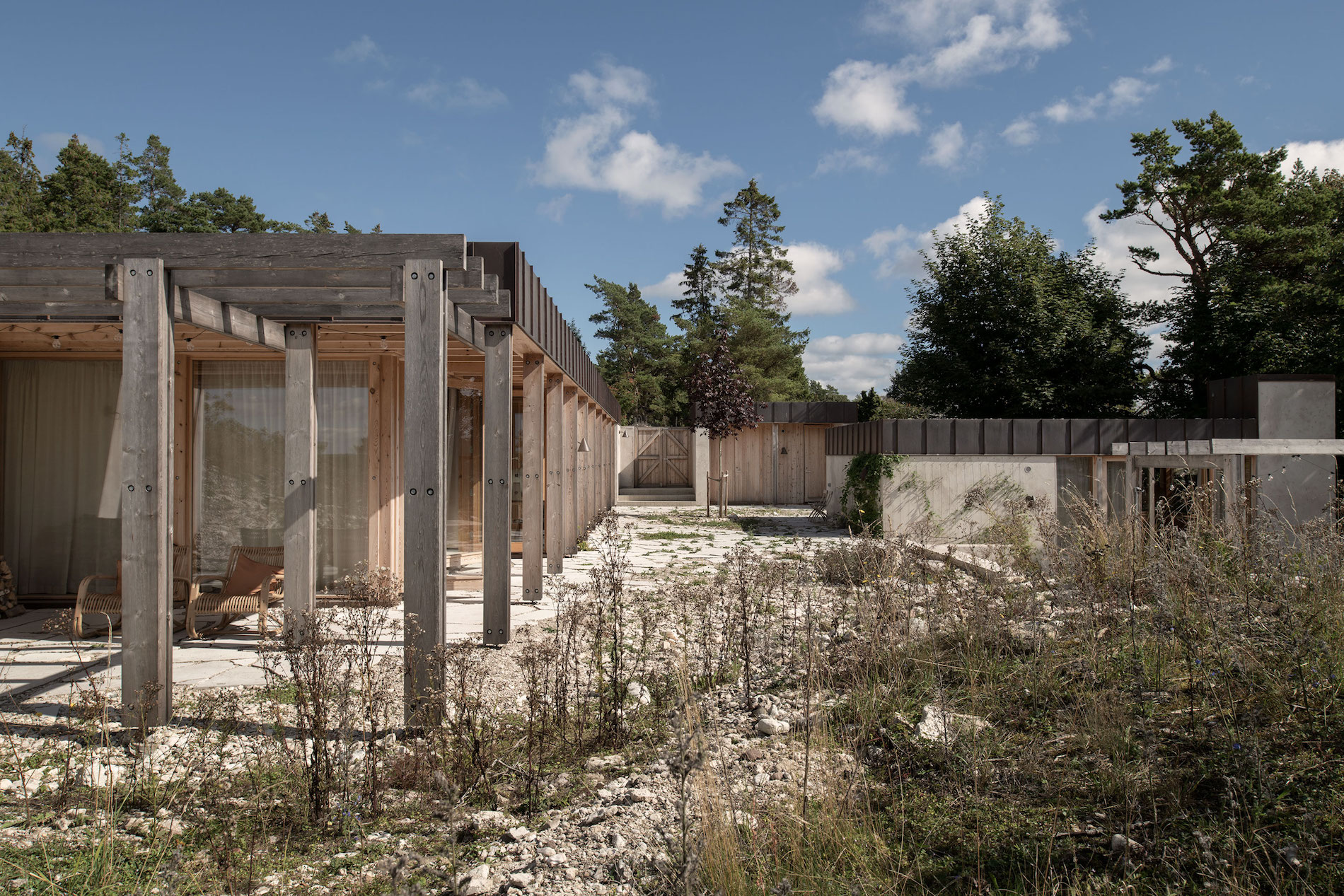
In creating architecture, Ateljé Ö takes cue from materials in their pure form, constructional principles, contextual entities, and finding complexity in the simplest of concepts, write Joel Winsnes and Mats Wahlström Walter.

The sedimentary layer of Estonia deserves valorisation, conclude the material development and design studio kuidas.works. Maria Luiga and Hannes Praks write about their recent earth-based construction study trip to Paris.
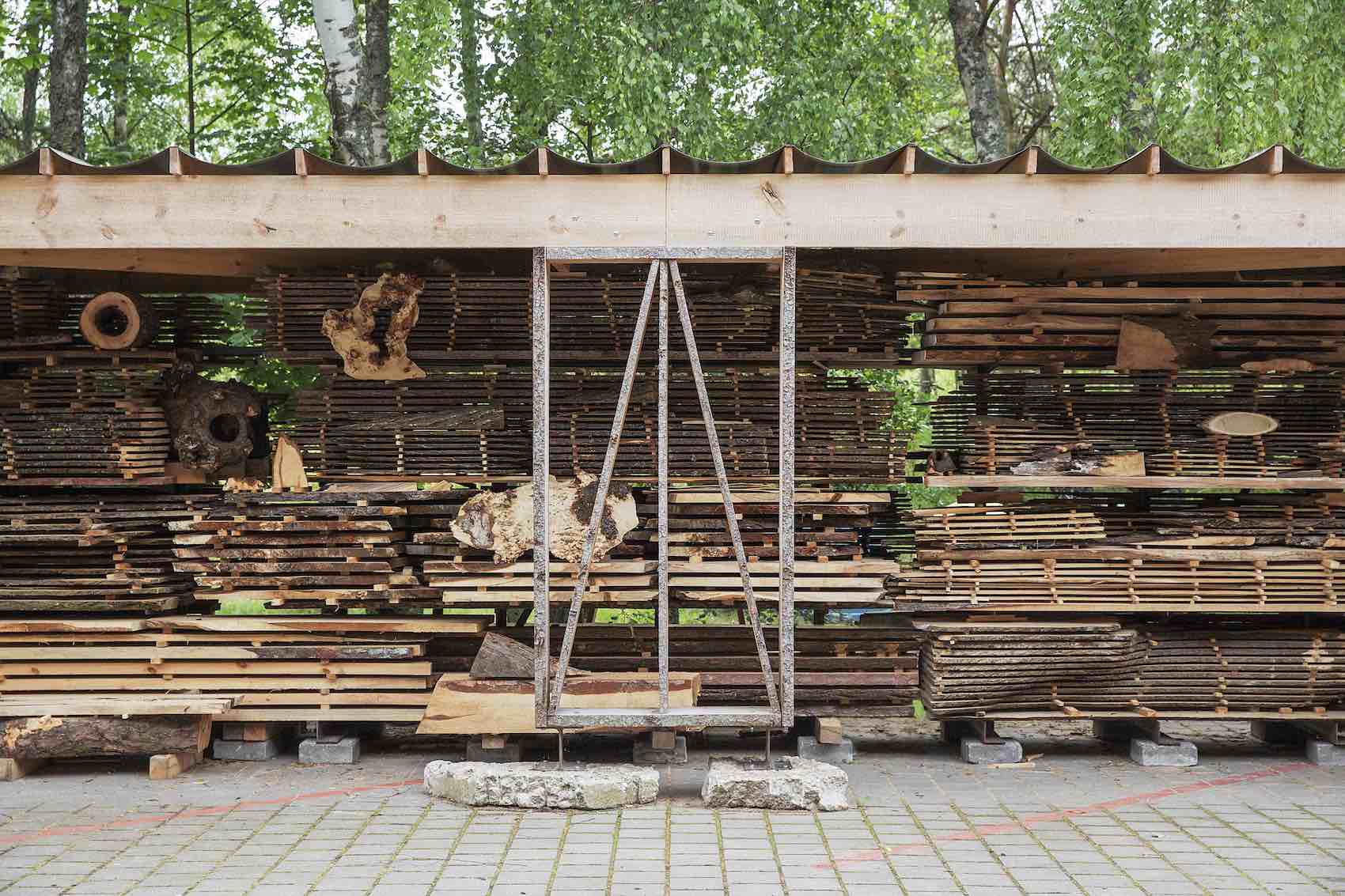
Jurga Daubaraitė, Egija Inzule and Jonas Žukauskas initiated Neringa Forest Architecture in Nida, Lithuania. They write about their work around a Baltic forest as a constructed space, an infrastructure, an environment reliant on human actions.