Hannes Aava shares some subjective tidbits about the last 30 years of spatial design in the Baltics.
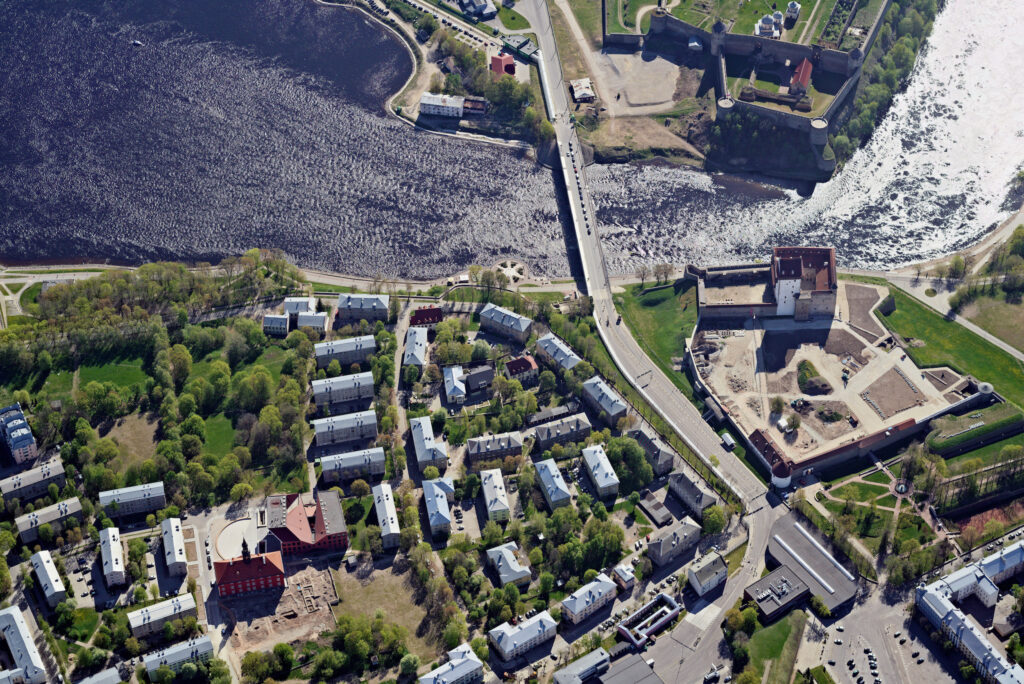
Francisco Martínez's and Joosep Kivimäe's inventory of spatial objects in Narva, a city on the Estonian border with Russia.
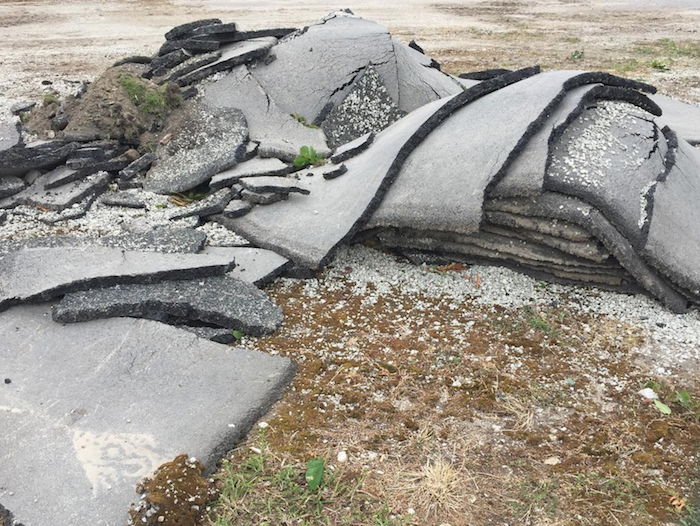
Simply removing the ‘foreign’ symbols offers no more than an ostensible solution, for dissonant heritage—a complex and controversial past, conflicting historical interpretations, etc.—need to be dealt with in a much more in-depth manner.
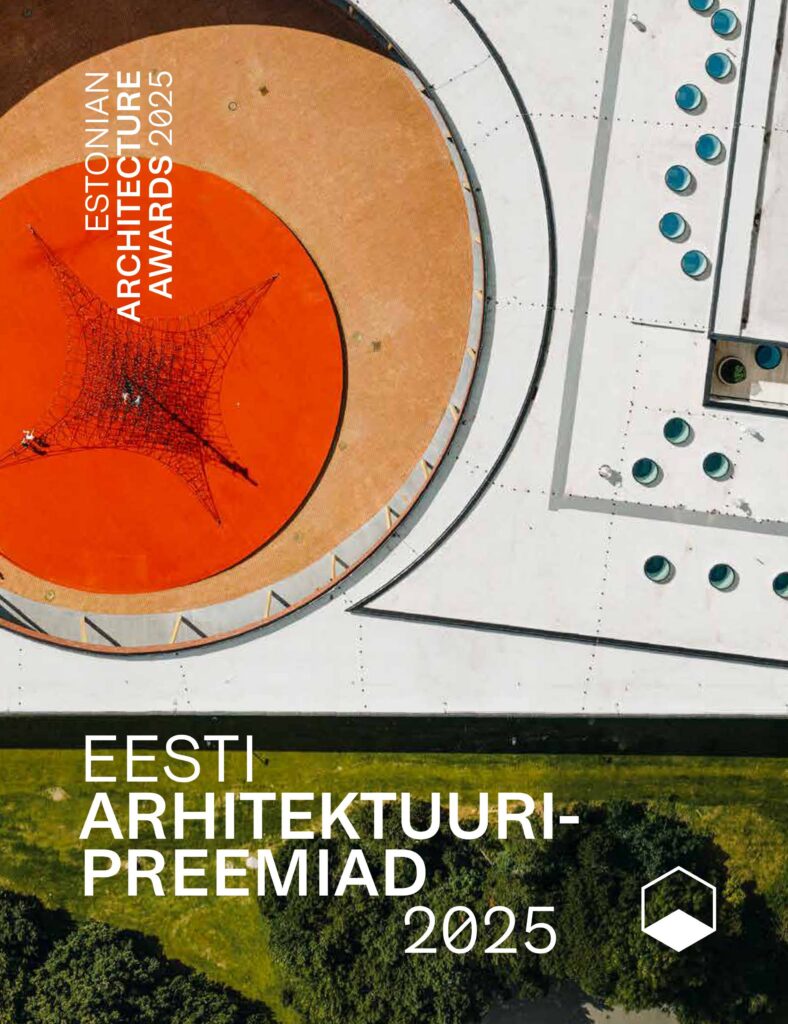
ARCHITECTURE AWARDS
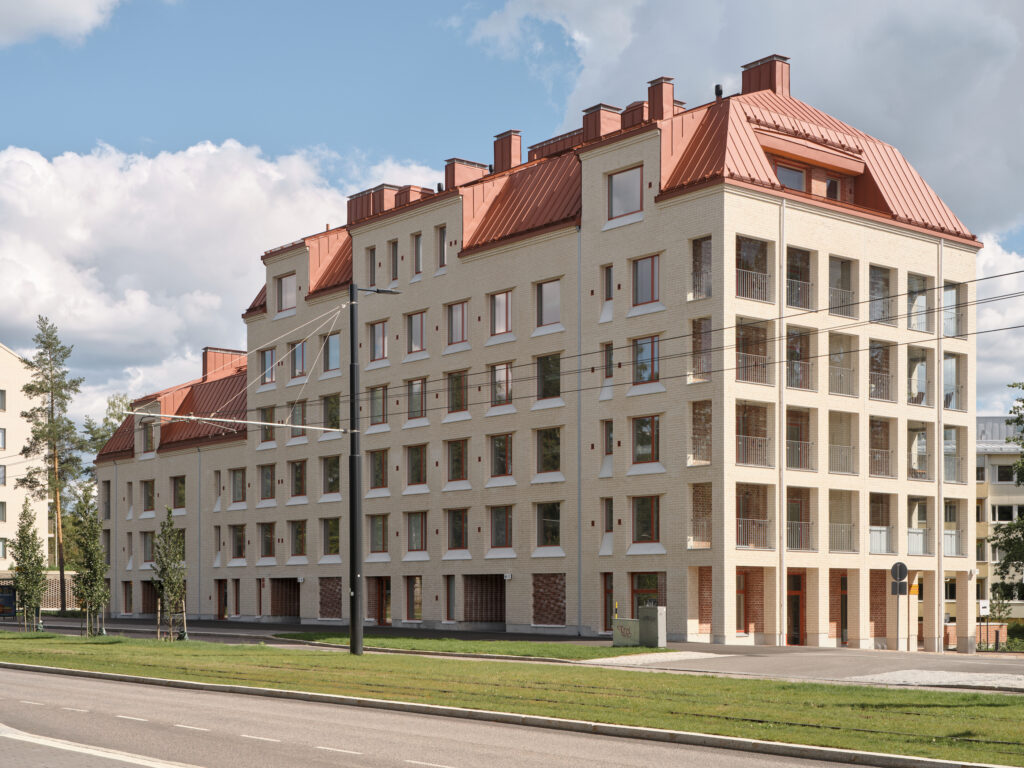
With its solid brick walls, Helsingin Muurarimestari, an apartment building designed by Avarrus Architects, is generous to tradition, but decidedly modern, writes Leonard Ma.
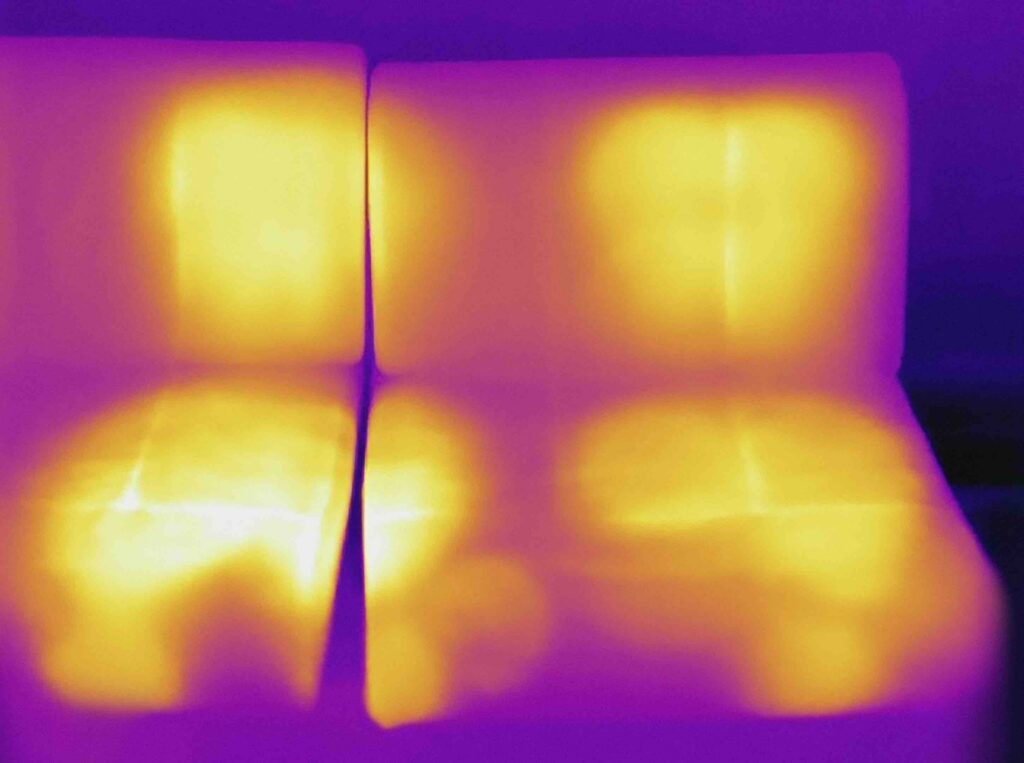
Roland Reemaa interviews Eva Gusel, one of the authors of the project +/– 1 °C:
In Search of Well- Tempered Architecture, that represented Slovenia at the
18th International Architecture Exhibiton in Venice.
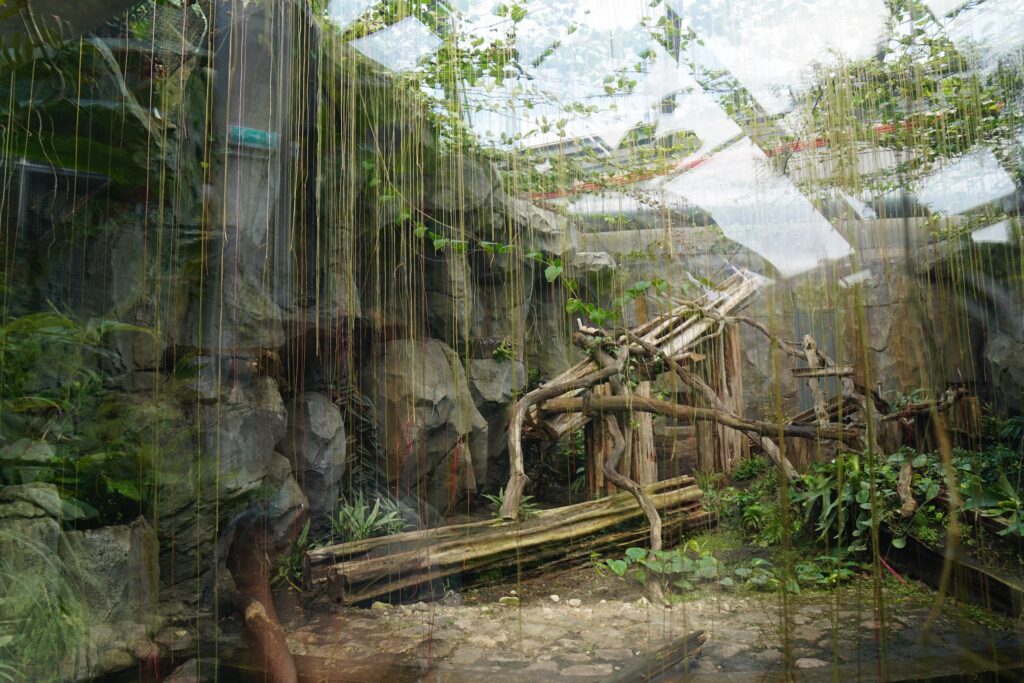
In a simulacrum of a Southeast Asian rainforest, technology enables precisely those animals and plants included in the exposition (!) to create their own little worlds. Neither the otter nor the binturong nor the plane tree nor silver pheasant Joosep is there merely as a consumer of its environment; their interrelationship transforms, but also recreates that very environment—a scene that I am able to pass through.
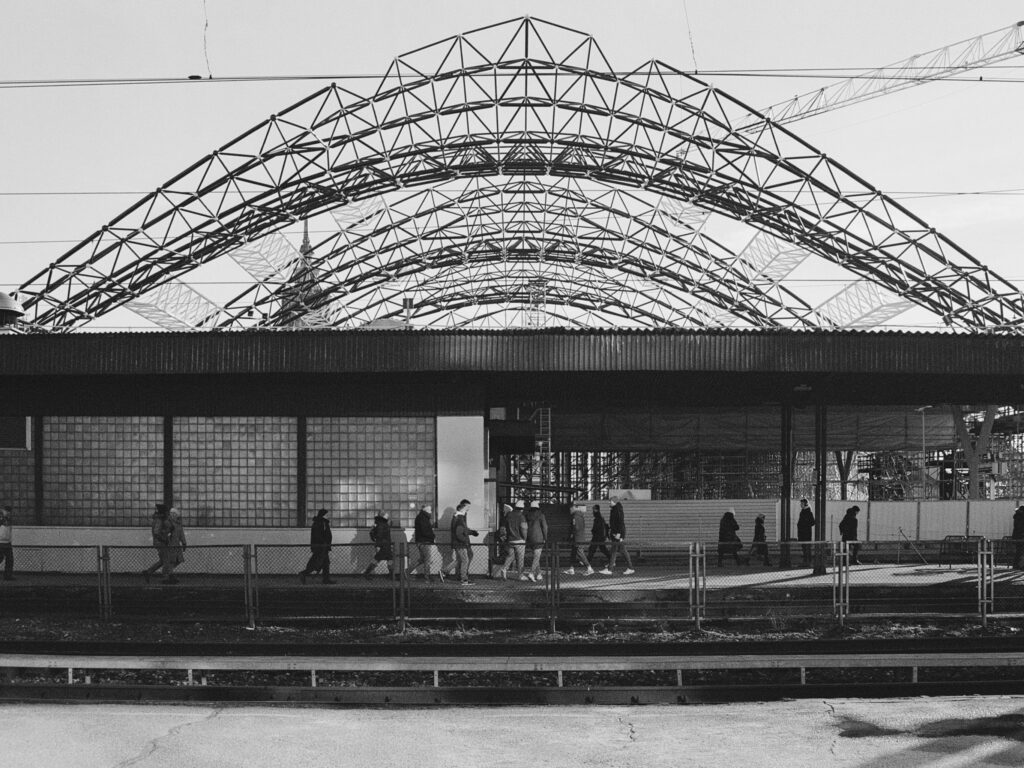
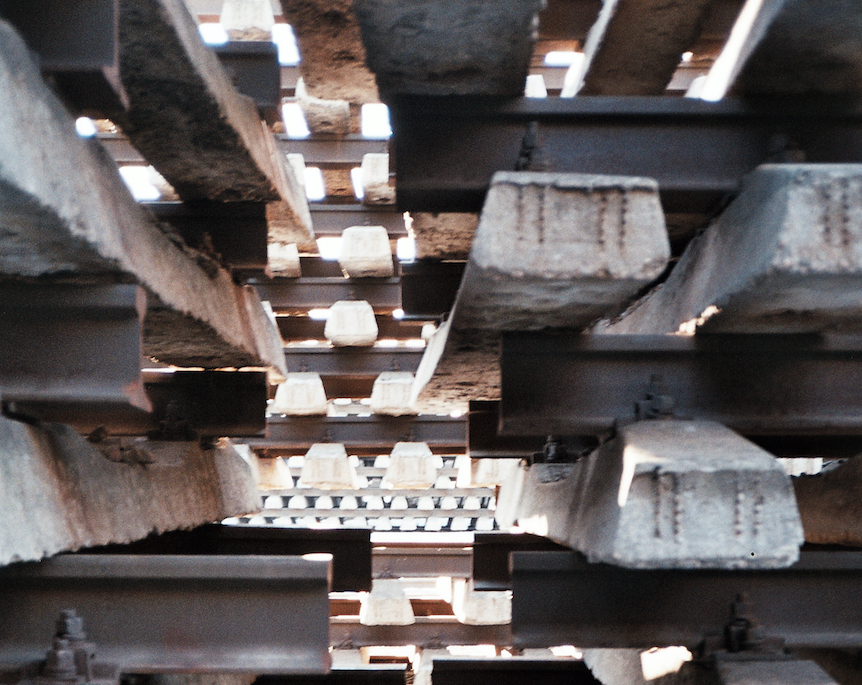
Authors ask: how to talk about a railway that currently exists only in our imagination, but is nonetheless very present in our daily lives?
Infrastructure qua base structure underlies or serves the superstructure. Superstructure must take into account the load-bearing capacity of the base and must not exceed it. The variety of connections and dependencies gives rise to sustainable and resilient bio- diversity, whereas simplifying it makes life vulnerable.
In contemporary discourse, the term 'infrastructure' typically conjures images of roads, bridges, and utilities—physical systems essential to the functioning of our societies. However, the concept of infrastructure can be extended beyond its tangible form to encompass networks of care, healing, and empathy. As a community initiative, an ‘infrastructure of care’ transcends mere functionality, weaving connections that nurture the human spirit and foster collective healing.
The nostalgic image of an architecture office full of drawing boards and rapidographs is alien to the generation born after the restoration of Estonian independence. We began our architecture studies by acquiring basic computer skills and then boldly plunged into the world of 2D and 3D, visualisation and BIM design.
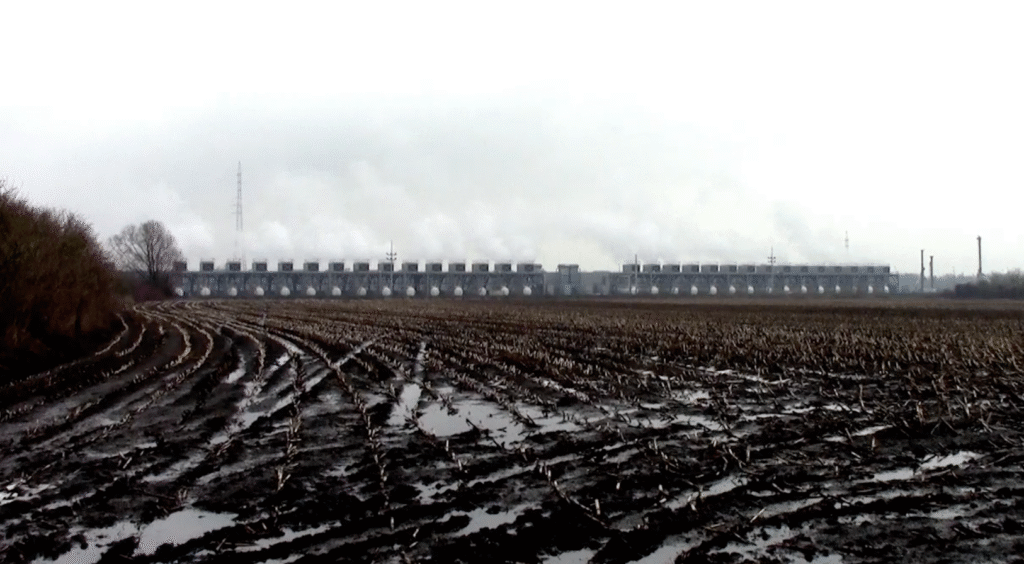
‘Crystal Computing (Google Inc., St. Ghislain)’ is a video-based investigation of Google’s data centre in Saint-Ghislain, Belgium.
No more posts
Editors' choice
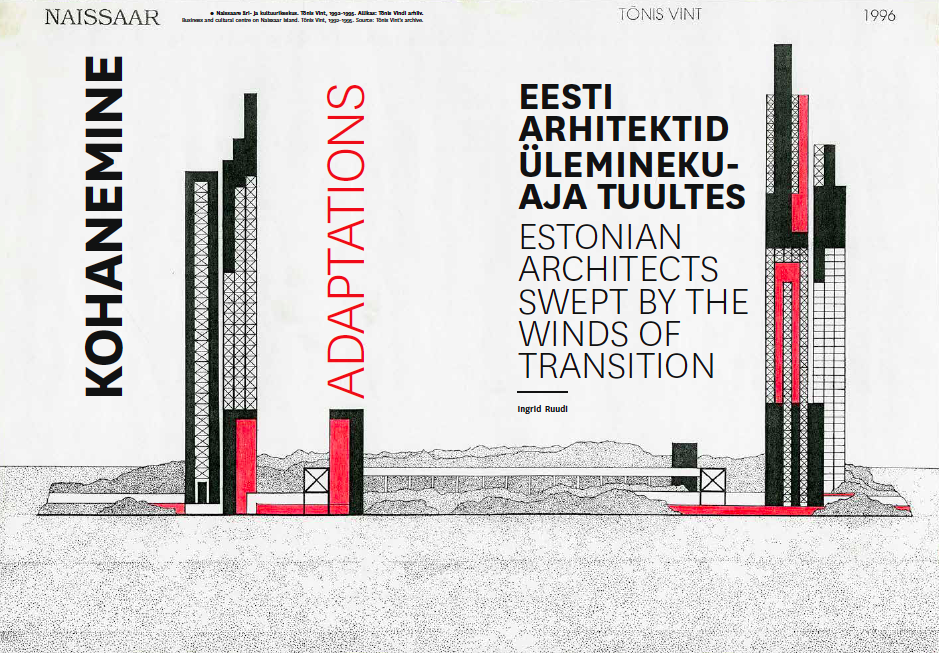
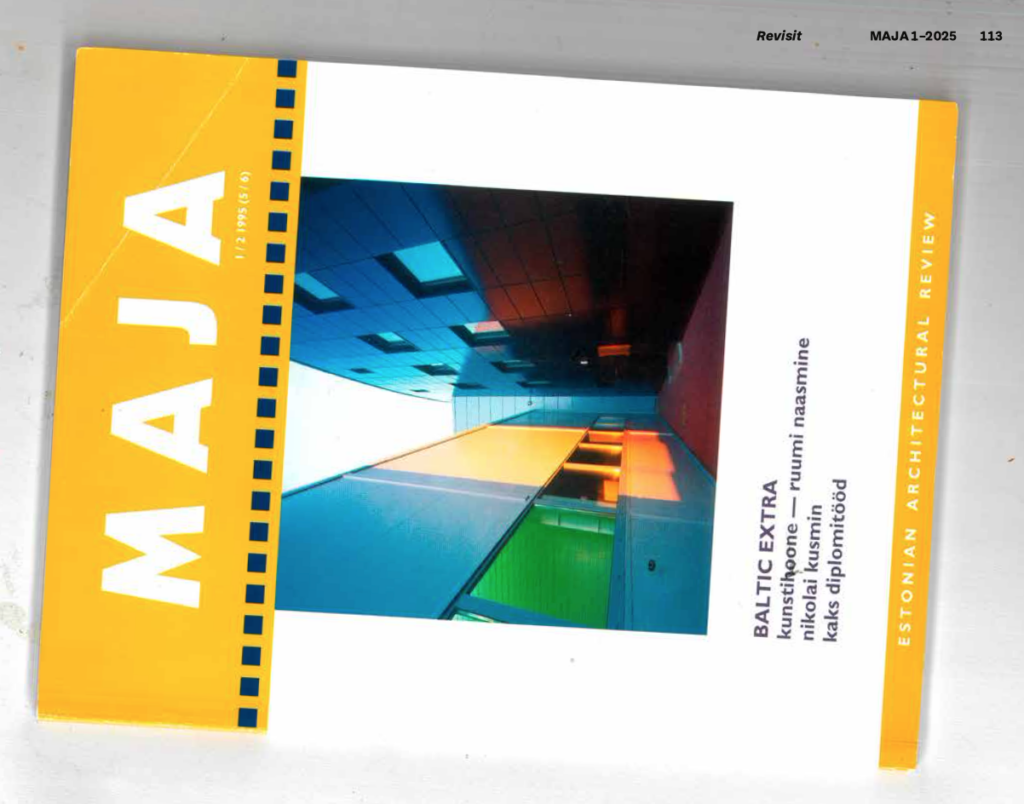
Little was built following the re-establishment of Estonian independence in the early 1990s, however, the debates held and practices established largely came to set the foundations for the dominant issues in the architectural field in the past decades.
No more posts
Most read
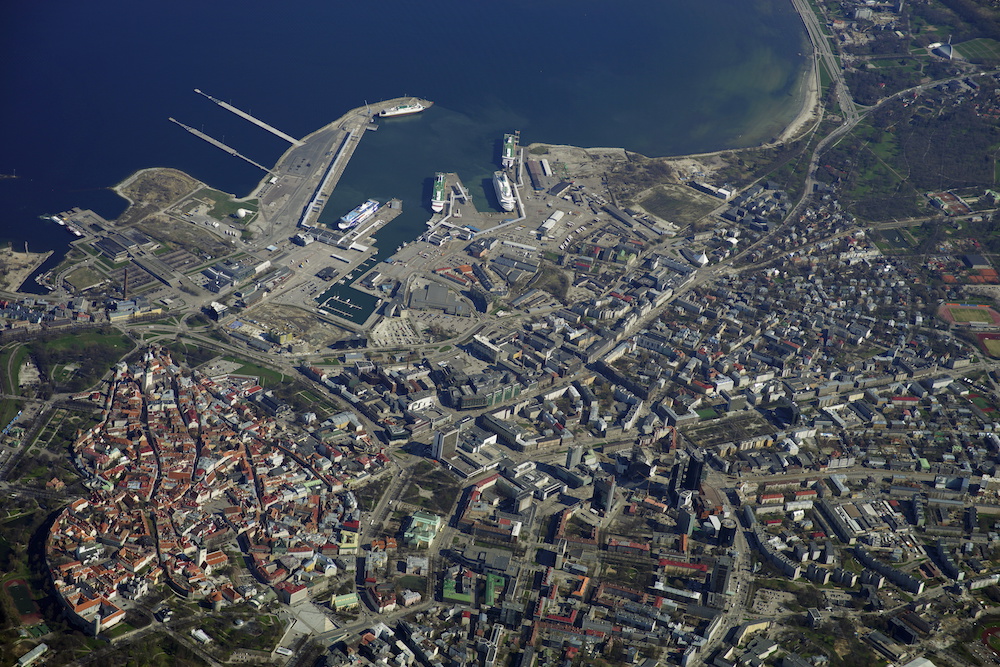
In 2007, the city council again approved the concept “Opening Tallinn to the Sea” with one of its aims including a populated urban space. The simultaneous activities – seaside arterial roads and the wire fences obstructing the sea views and the use of the coast, however, were entirely contrary
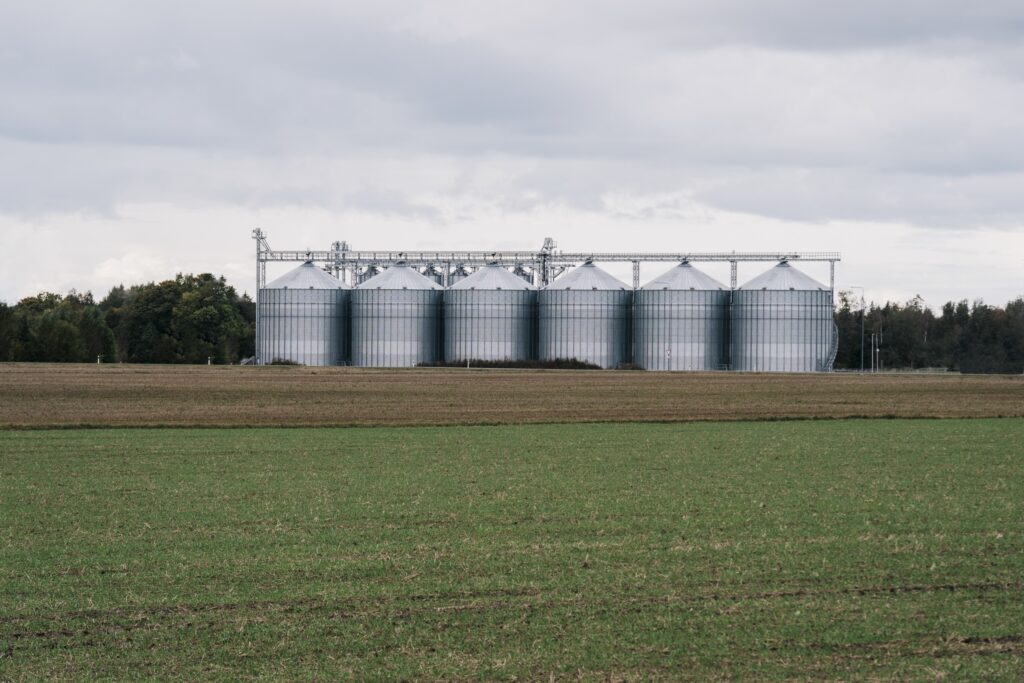
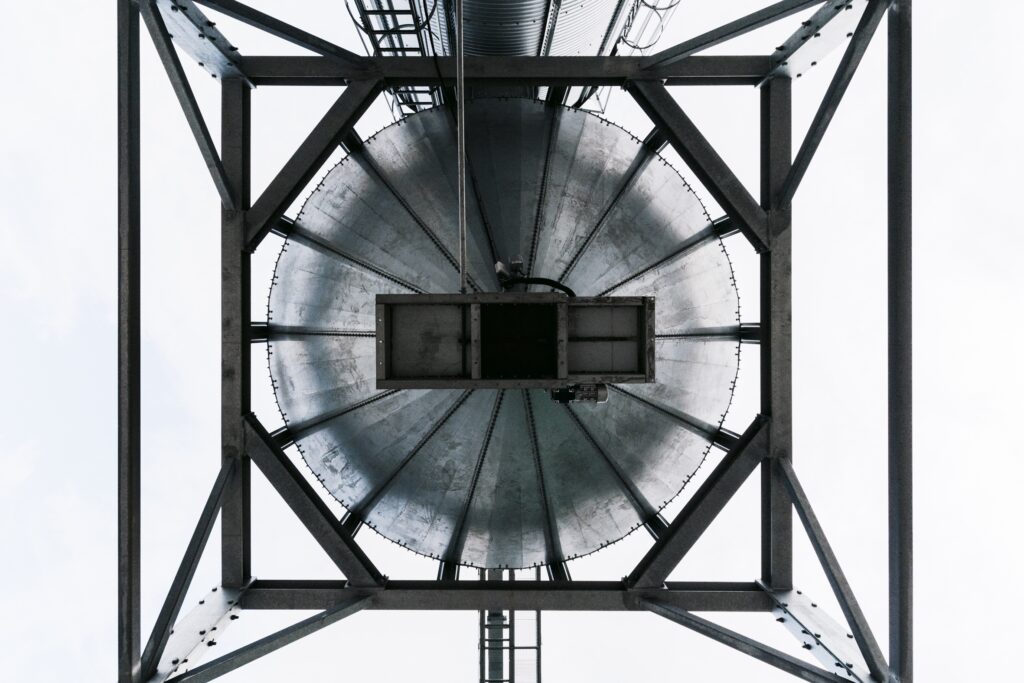
Here in front of us is according to the plan “a simple and practical” factory building1 and we are chatting with the designer: “The architect has nothing much to do in designing a rapeseed dryer and storage depot. The engineers prepare the main drawings. For the rapeseed processing factory building, the architect only had to conceive the walls around it. The entire complex can be controlled also from a mobile phone.”
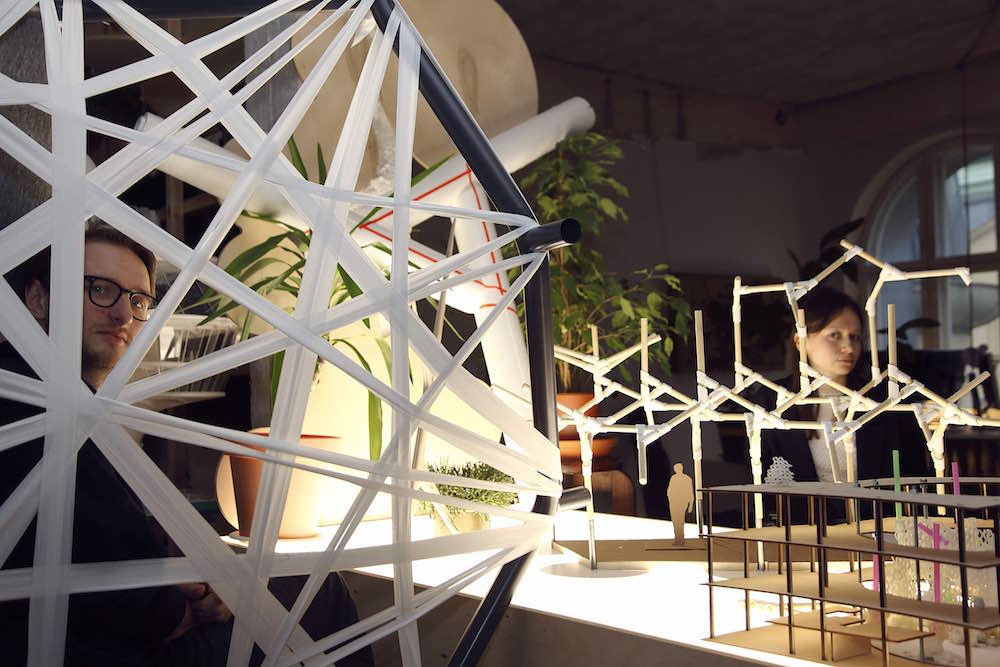
A research project at the Estonian Academy of Arts brings together local timber house manufacturers, digitally skilled architects and engineers to collaborate for more efficient and structurally intelligent architecture.
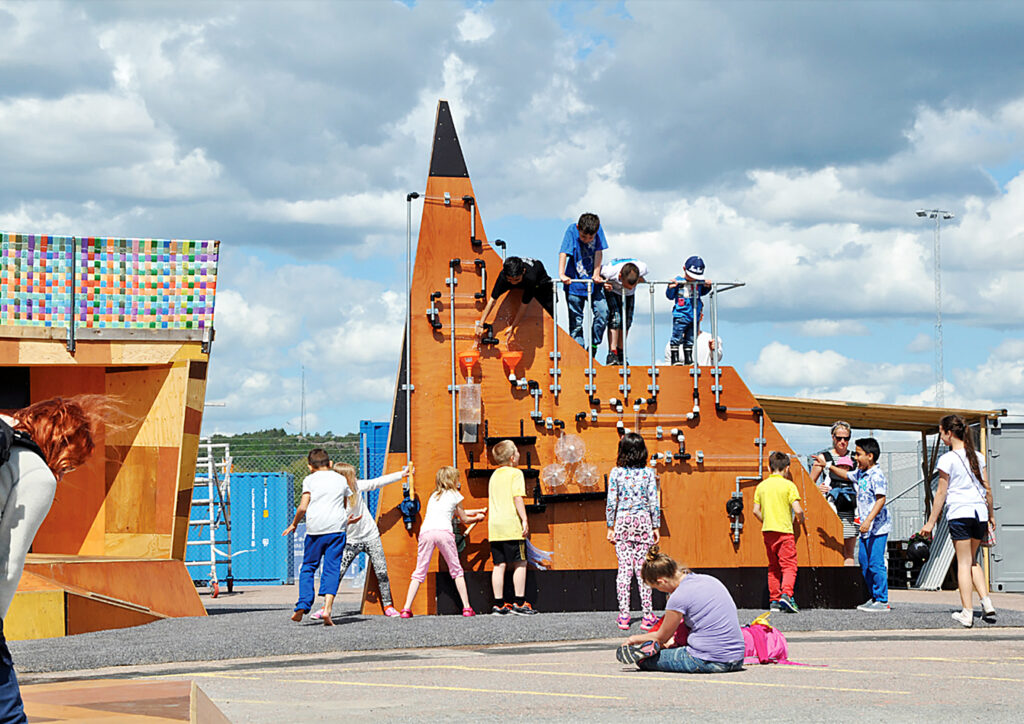
Gothenburg's Jubileumsparken is being designed with an open mind and all changes are welcomed with open arms: it is still unclear what kind of spatial disruptions will be implemented and where these manipulations will come into play. This depends on the parties involved and their reactions to the process.
For the 100th issue of the Estonian Architectural Review "MAJA"
The ELME project of the Environment Agency deals with mapping of ecosystem services and develops innovative methods for collecting and displaying information about biodiversity.
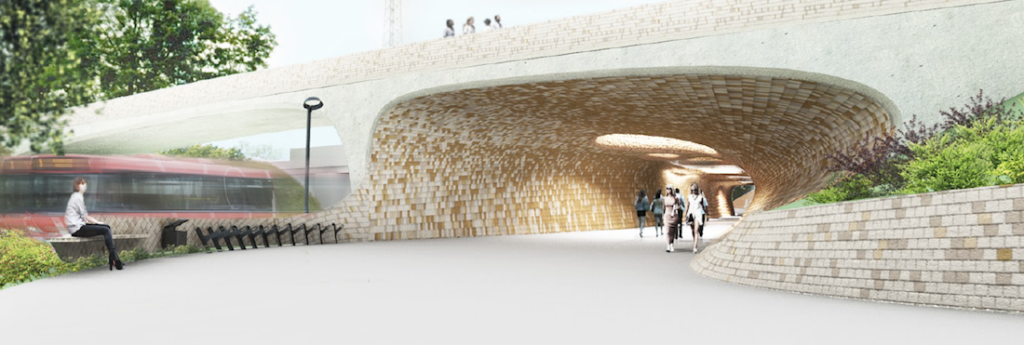
How to make a traffic junction that currently spurns carless commuters more inviting and enjoyable? Is it possible to achieve this with the help of road user capacity, distance, decibels or lumens? Or perhaps architecture has some kind of role that cannot be measured in numbers but which will accomplish the desired goal?
Architect Leonhard Lapin, 1977.
The question is concerned with the unknown and how to give sense to it. As in the end, every unfamiliarity may be given a familiar, perceivable context. However, let us talk about the feeling of unfamiliarity. Could it be something more, something more genuine or even more delicate than the most obvious, for instance, an abandoned building?
No more posts
Known for its openness to change, Mäetaguse borough has successfully combined its central area comprising buildings of various eras and the great outdoor space into an effective and comprehensive environment.
No more posts