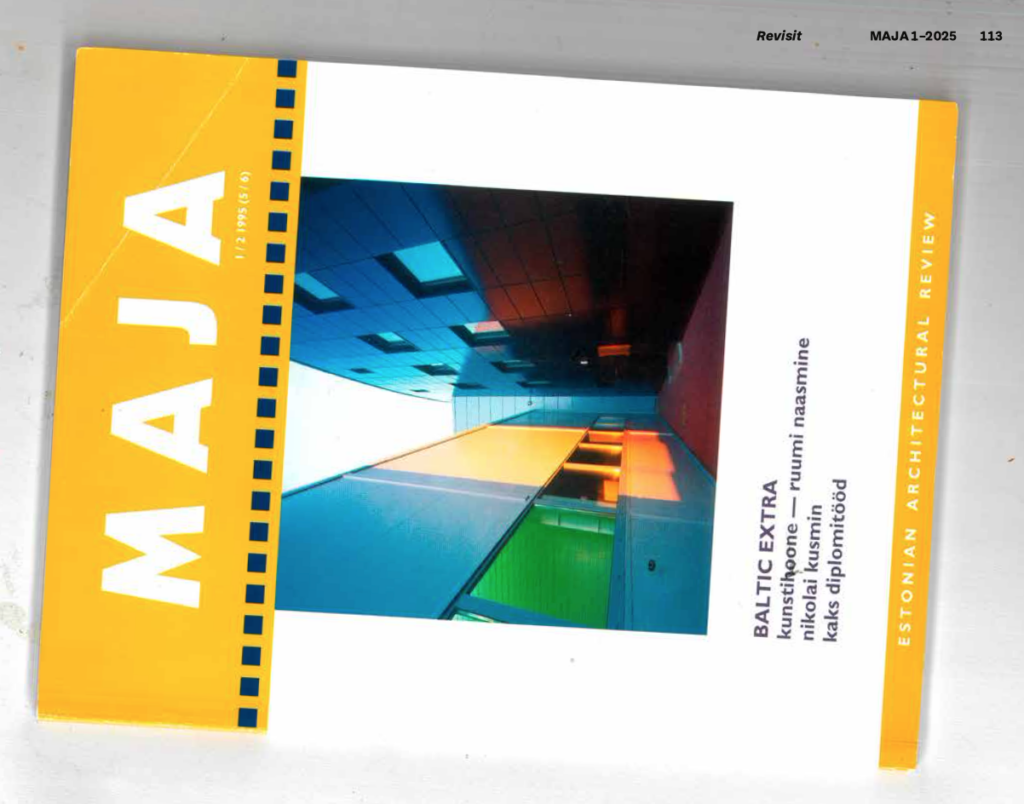
Hannes Aava shares some subjective tidbits about the last 30 years of spatial design in the Baltics.
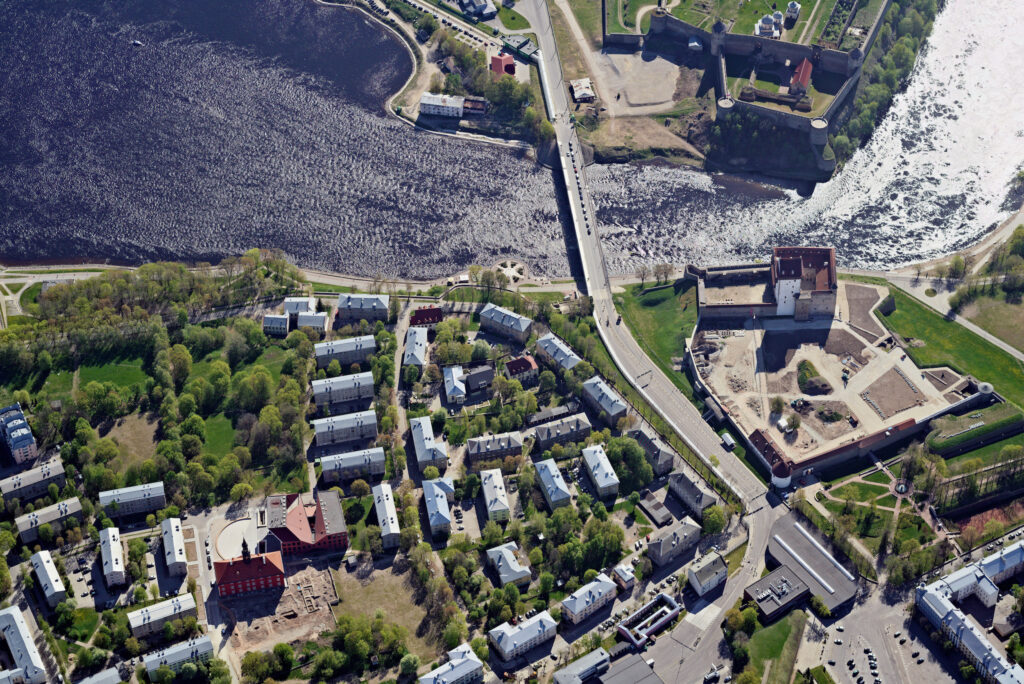
Francisco Martínez's and Joosep Kivimäe's inventory of spatial objects in Narva, a city on the Estonian border with Russia.
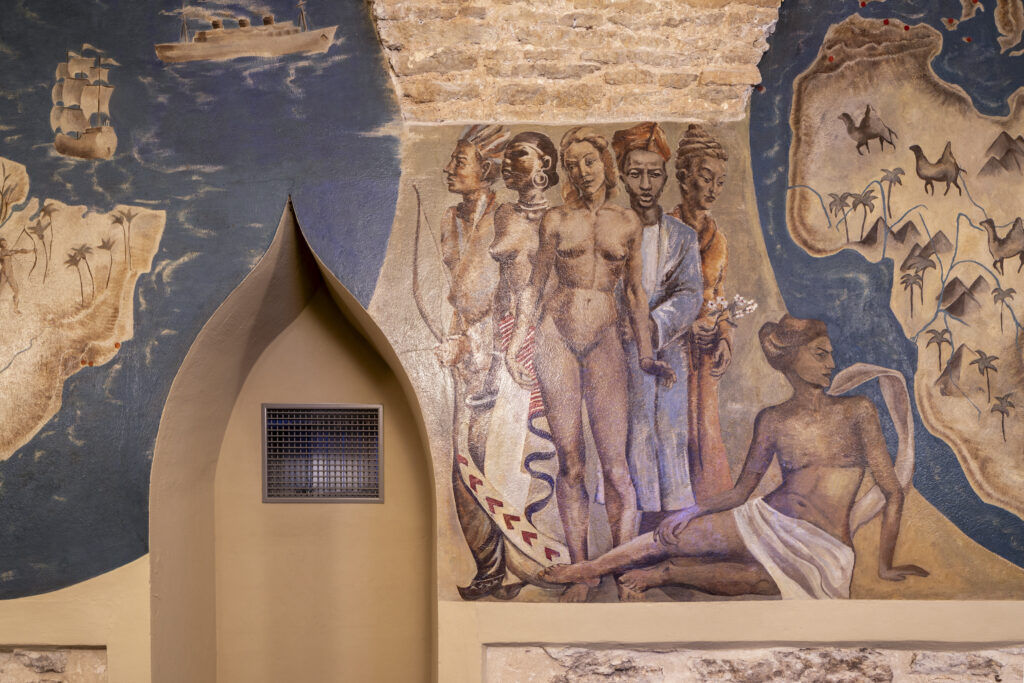
Simply removing the ‘foreign’ symbols offers no more than an ostensible solution, for dissonant heritage—a complex and controversial past, conflicting historical interpretations, etc.—need to be dealt with in a much more in-depth manner.

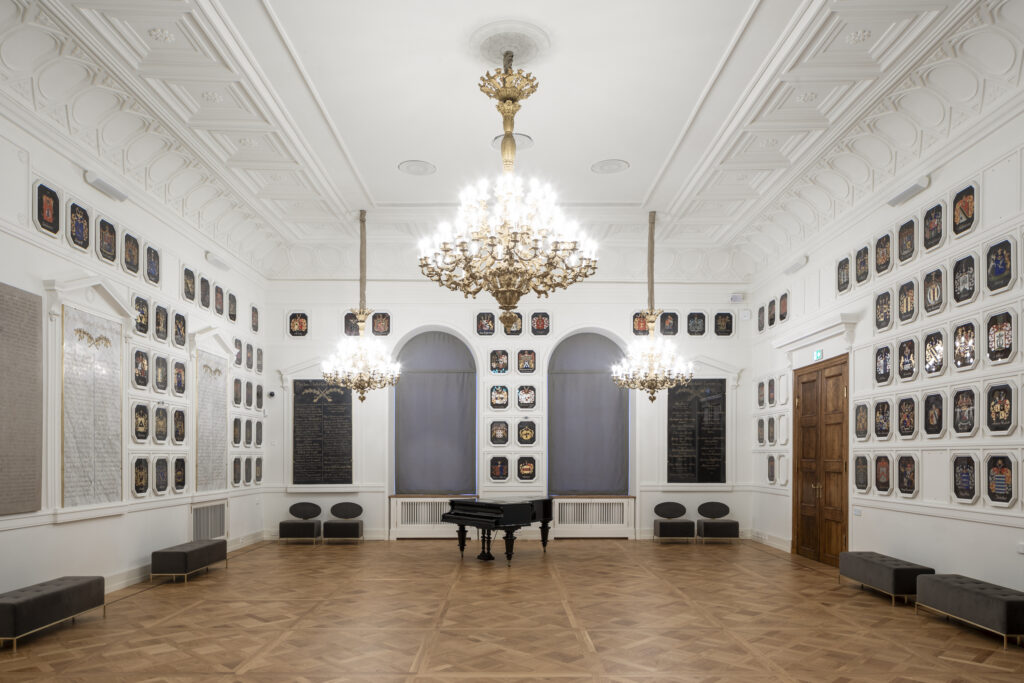
Hans Alla writes about the interesting nuances of the interior of the Knighthood House.
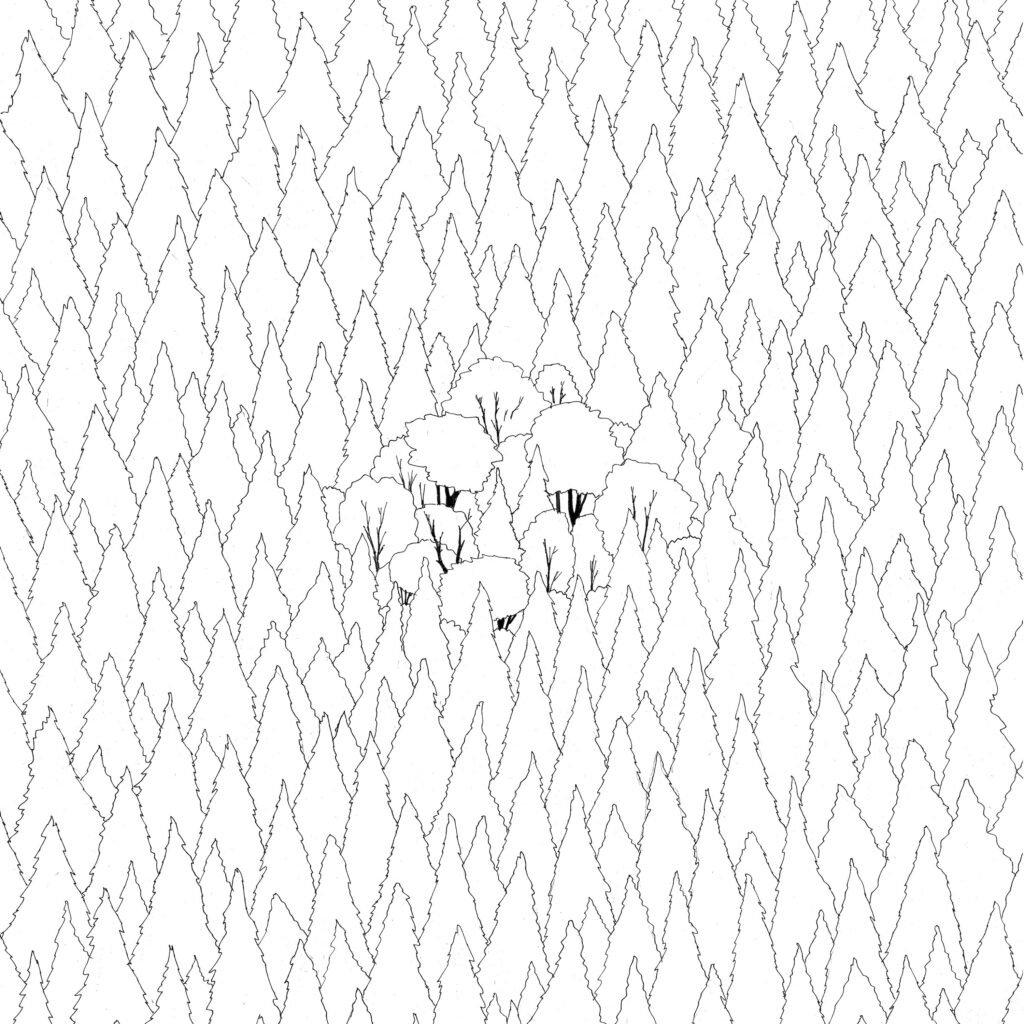
Architect Toms Kokins investigates the impacts of transnational forestry industry on the Baltic cultural landscapes.
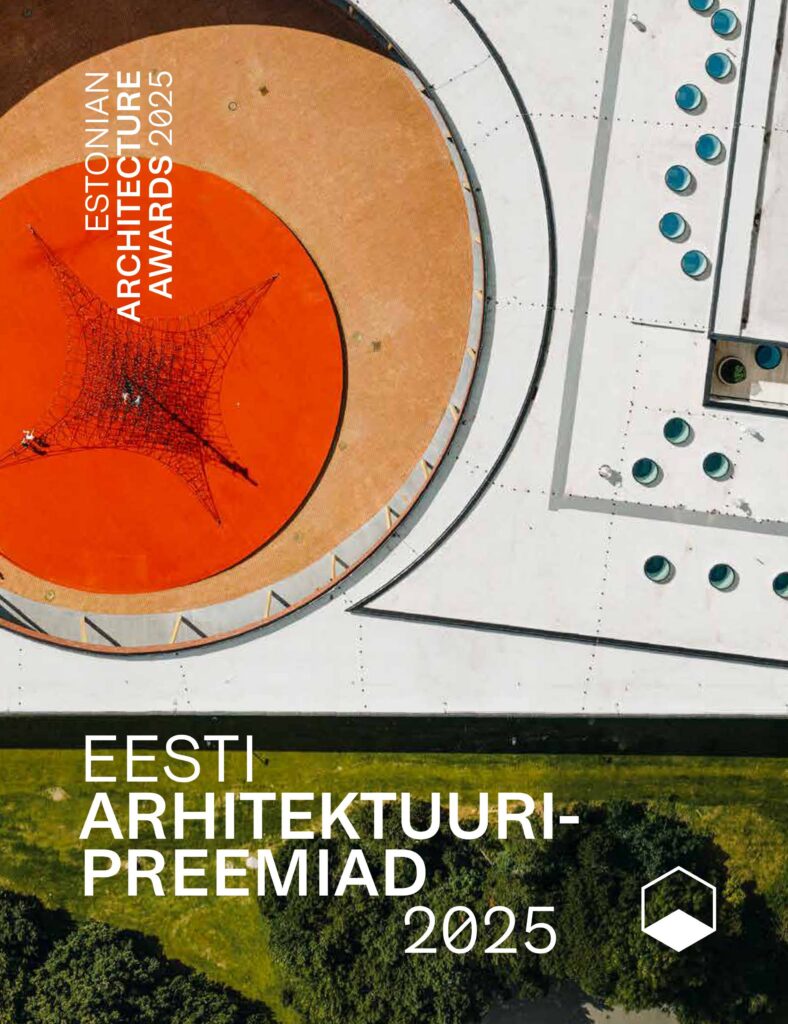
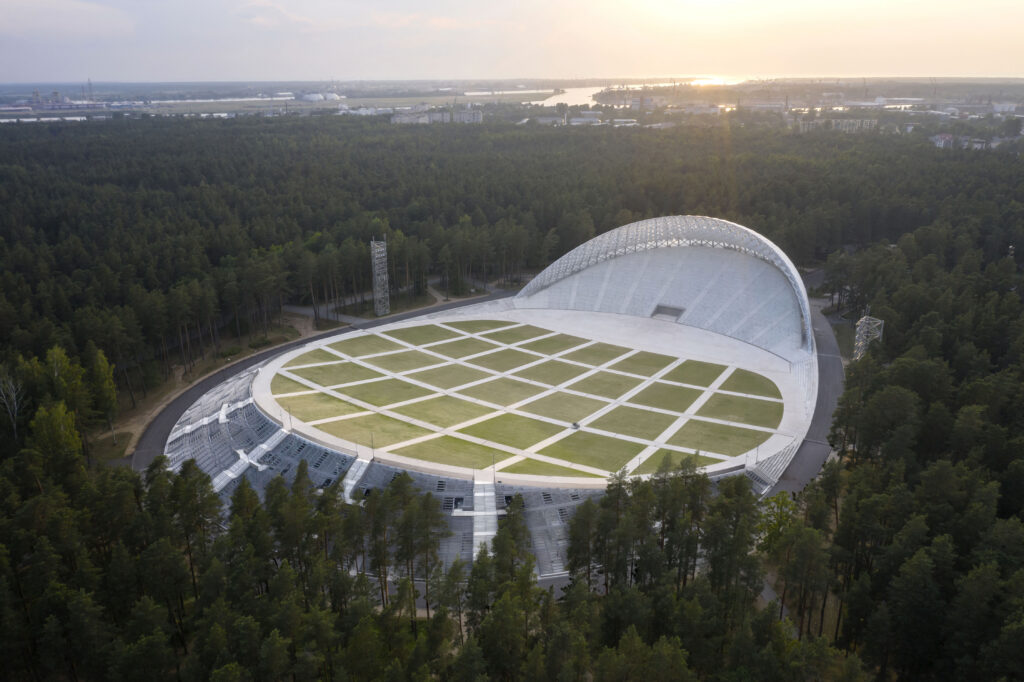
The new song festival ground in Latvia is a symbolic update—an architectural interpretation of contemporary song festival culture as well as a nation’s independence in the very centre of the Baltics.
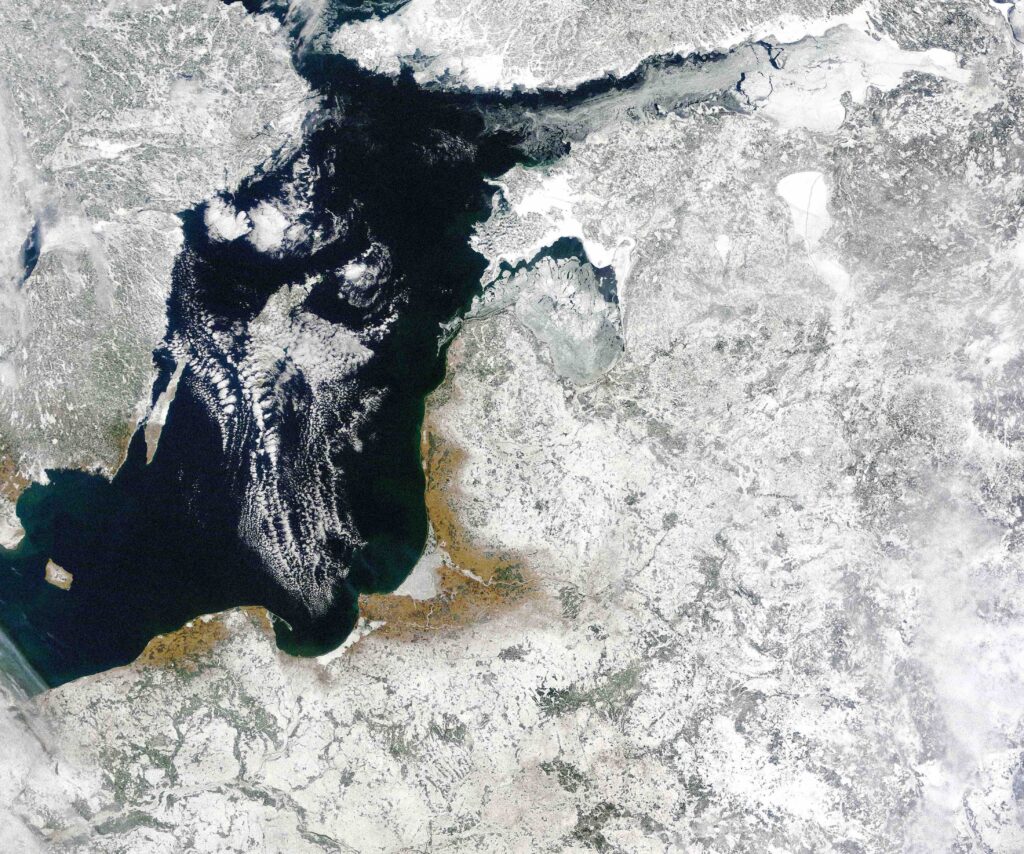
Balticness as a fragment of identity is a bit like a curiosity forgotten in the back pocket, only to be rediscovered from time to time. We asked a number of Estonian, Latvian, and Lithuanian archi- tects, architectural offices, and other spatial practitioners for their favourite spaces, spatial situations, or features that appear unique to the Baltic coun- tries (or one of them).
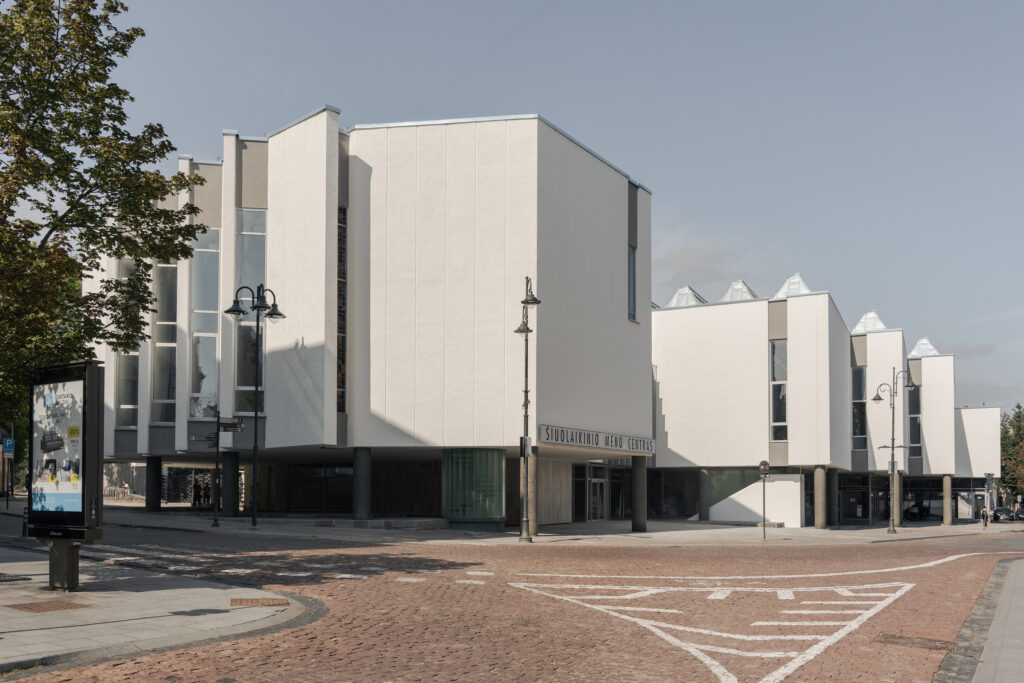
Andrius Ropolas writes about the Contemporary Art Center Vilnius.
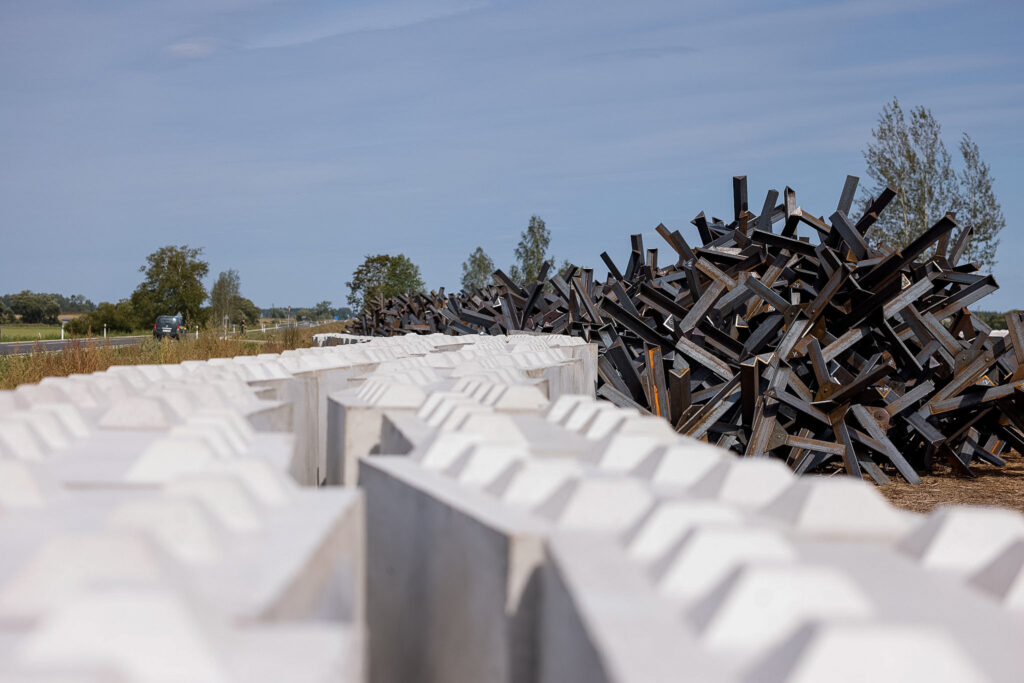
Balti riikide ja Venemaa (nagu ka selle lahutamatu liitlase Valgevene) vahelise piiri kindlustamisel on piirialade maastikule suur mõju.
What is an architect’s work, and what is its result? Is it a finished building, street, auditorium? Or is it an abstraction of these things—a design, i.e., project documentation that will be translated into a building by someone else? We asked several architecture collectives for their opinion.
The cultural shift towards using materials and energy that are contained within planetary boundaries requires a reconsideration of the most fundamental assumptions about how buildings interact with the world.
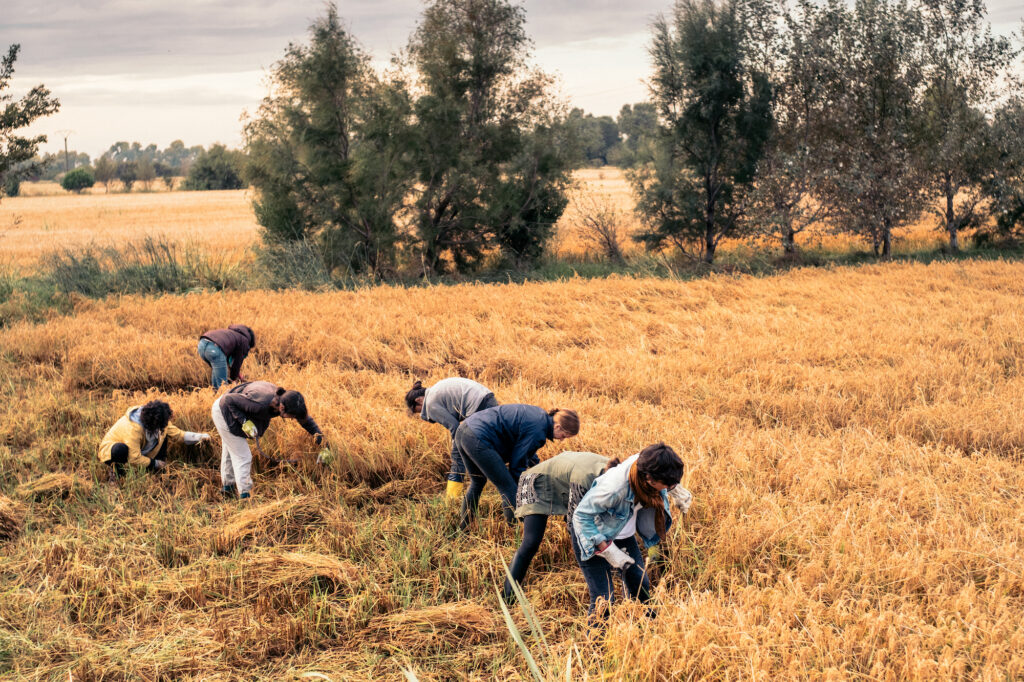
Designing with a territory values connection over extraction. Clara Kernreuter from Atelier LUMA and Maria Helena Luiga from kuidas.works discuss bioregional design.
No more posts

Editors' choice

What kind of relationship between a space and its surroundings would help to avoid the objectification of space—i.e., treating buildings or areas as sculptures or fully controllable objects?
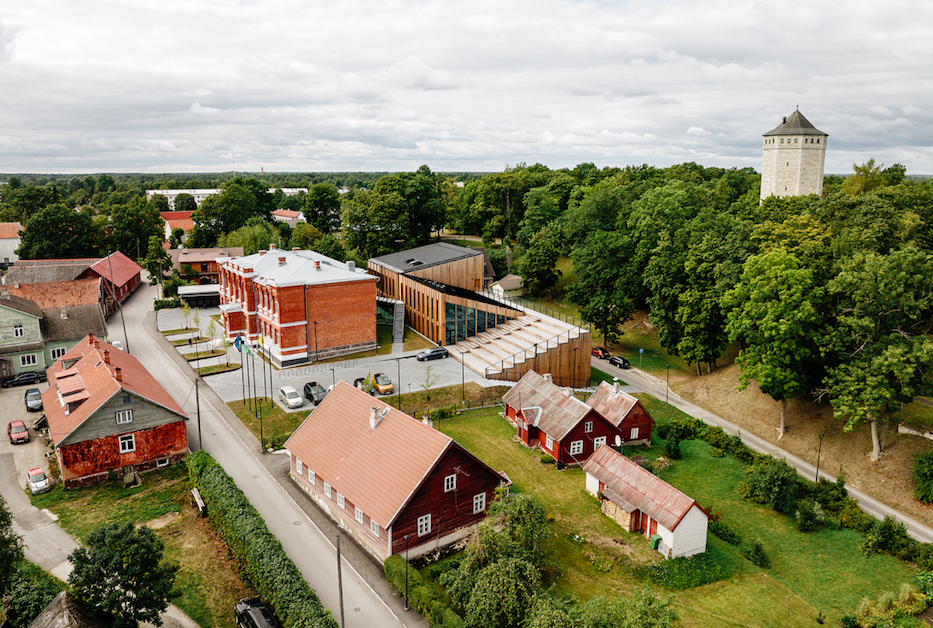
Paide State Secondary School is an excellent example of the mutually complementary dialogue between a historical space and contemporary architecture.
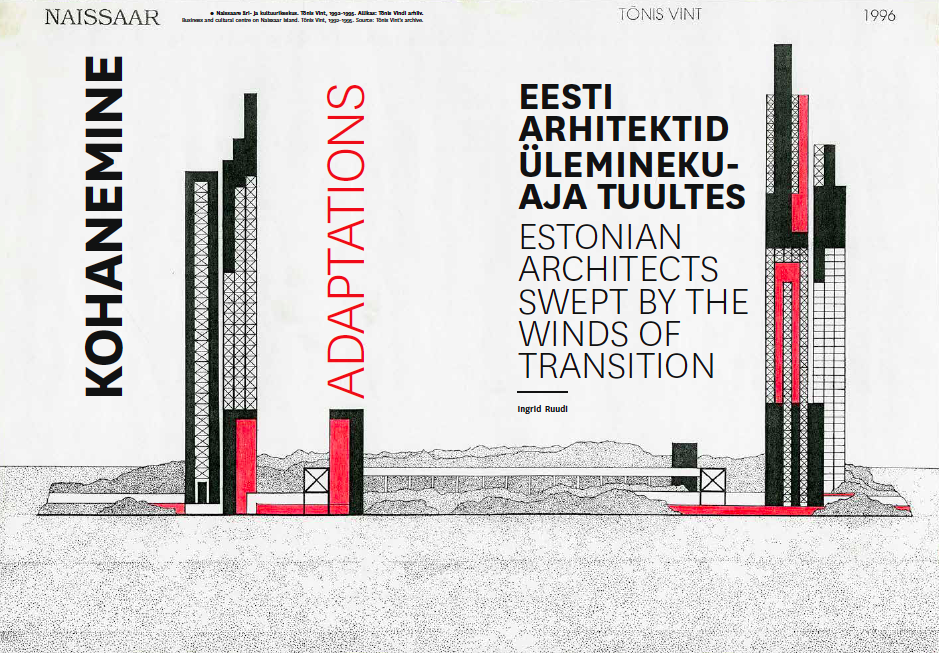
Little was built following the re-establishment of Estonian independence in the early 1990s, however, the debates held and practices established largely came to set the foundations for the dominant issues in the architectural field in the past decades.
What kind of relationship between a space and its surroundings would help to avoid the objectification of space—i.e., treating buildings or areas as sculptures or fully controllable objects?
No more posts

Most read

I am certain that, if we had had to go through the procedure of preparing a detailed plan, we would not have achieved a comparable result. The more time-consuming procedure would probably have yielded a ‘heftier’ solution in terms of urban development as a compensation for the profits lost by undeveloped property. At any rate, the future would have arrived several years later.
This issue of Maja focusses on infrastructure, first and foremost on the architecture of street space. Good architecture creates unity, is capable of solving problems and enables what at first appear to be conflicting interests to be realised. Connections that go unmade in a[n urban] space are like missed opportunities.
Known for its openness to change, Mäetaguse borough has successfully combined its central area comprising buildings of various eras and the great outdoor space into an effective and comprehensive environment.
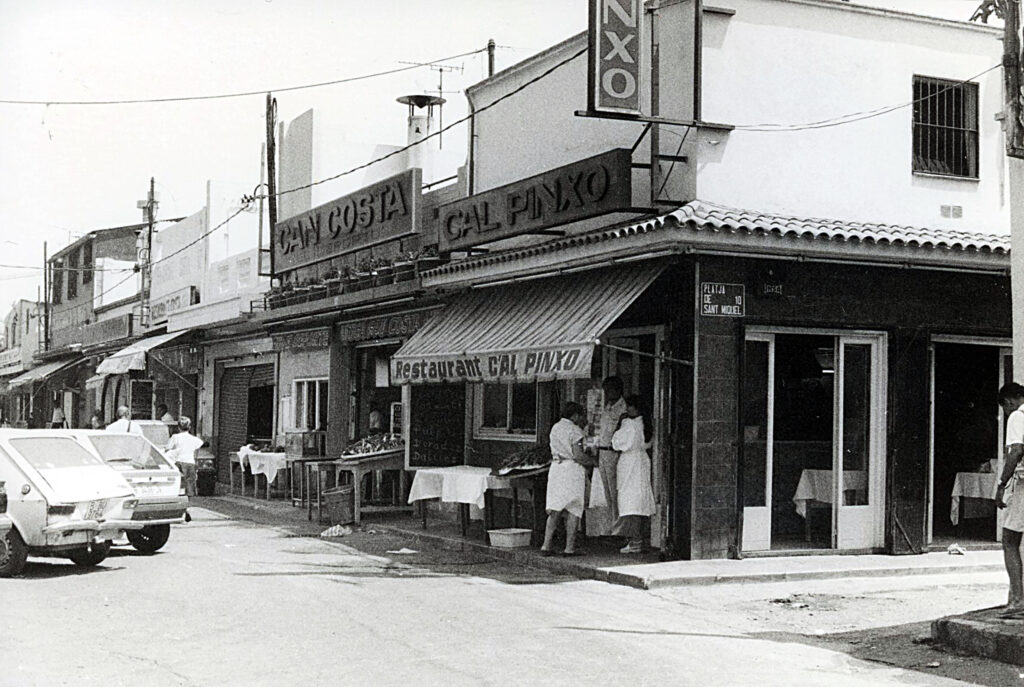
A new system was established in Barcelona during the Olympics – an interconnected and organised chain of 10 public beaches. Its parts adapt to the changing times: they let themselves be rethought and thus allow self-sufficient life to flourish.
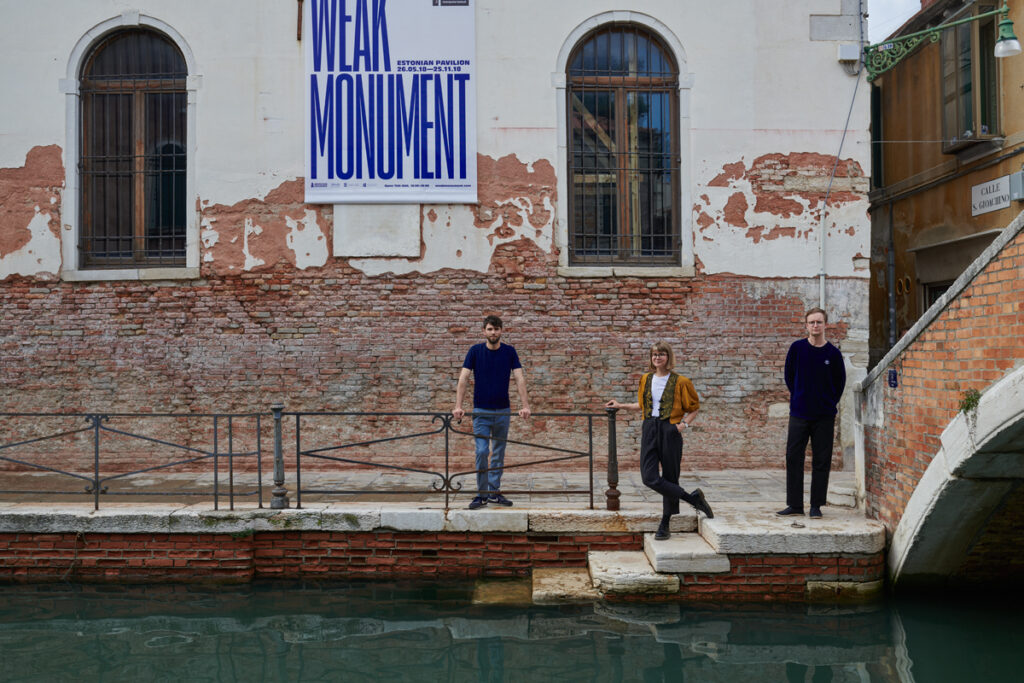
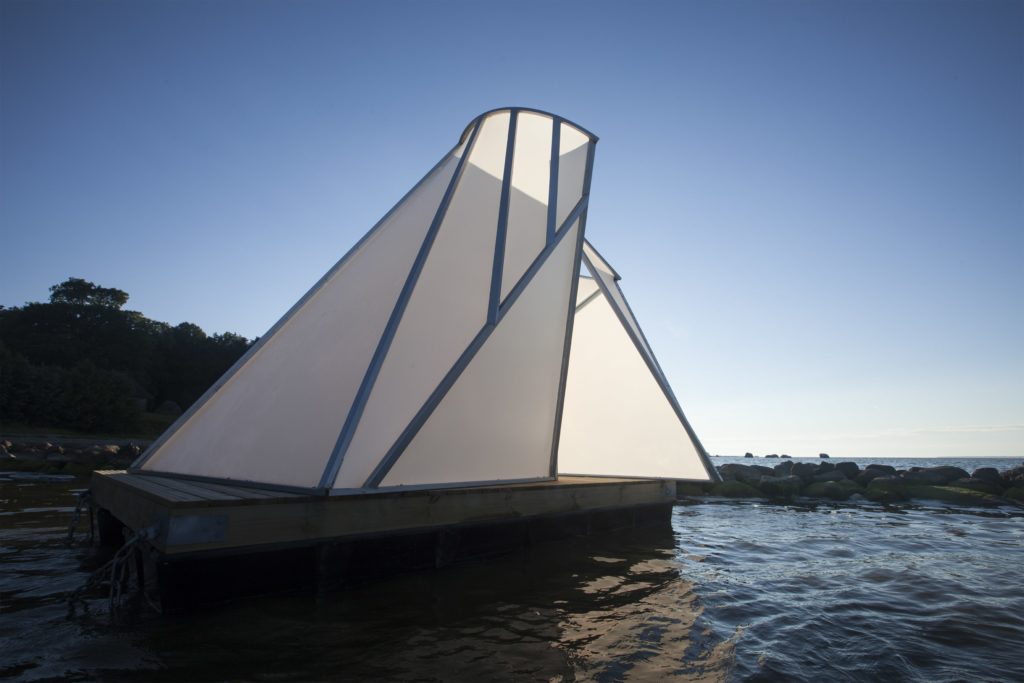
‘Weak Monument’ examines the effect and significance of architectural elements and pragmatic everyday architecture and describes how weak (and normally not material-intensive) architectural practice may become significant and give rise to something new.
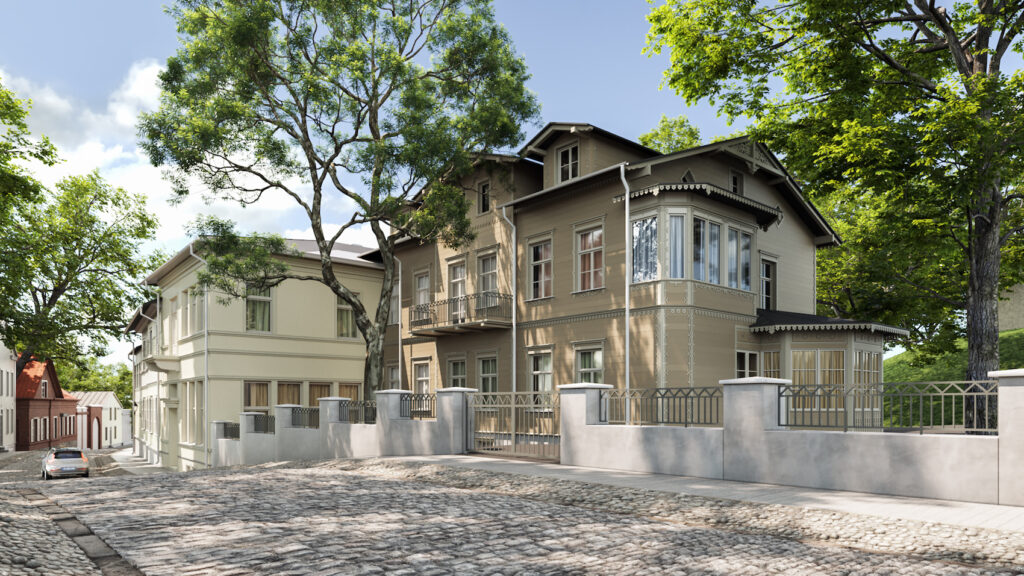
Vallikraavi street that winds below the slopes of Toome Hill in Tartu will get three new capacious apartment buildings this year, doubling the number and area of living spaces on this short street that has merely a couple dozen houses altogether. Systemic densification of old towns enhances the possibilities of urban life and helps to save energy through more economical mobility.
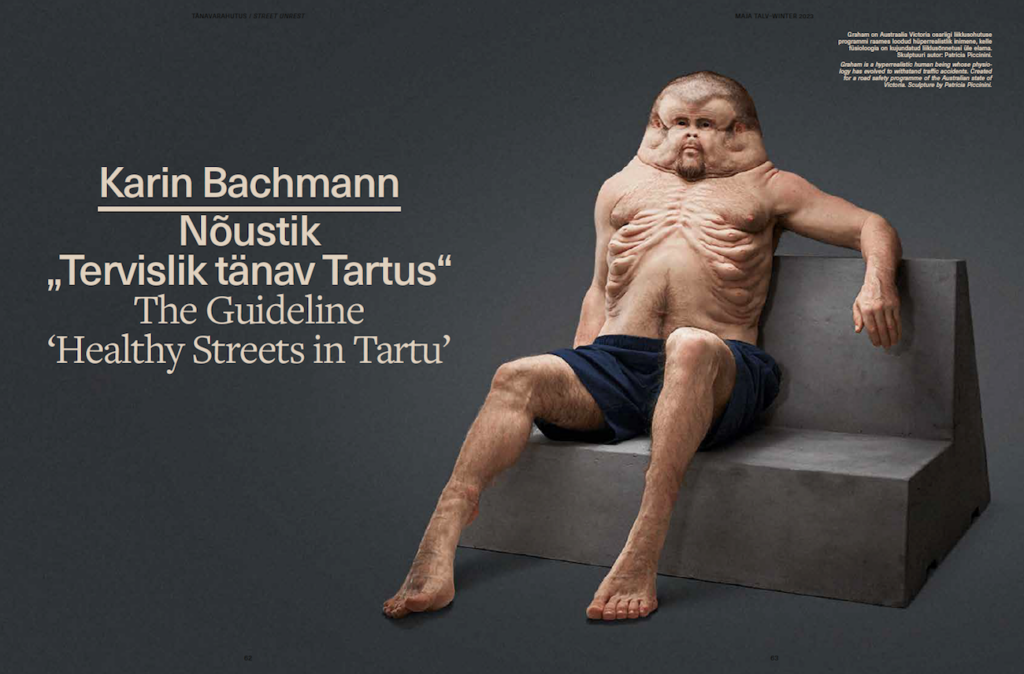
Healthy Streets in Tartu is a guideline providing help for city officials or specialists working on spatial design.
As part of her research for PhD thesis, Marianne Jõgi designs and builds objects which on the surface appear as installation art, yet on a deeper level raise meaningful questions about architecture.
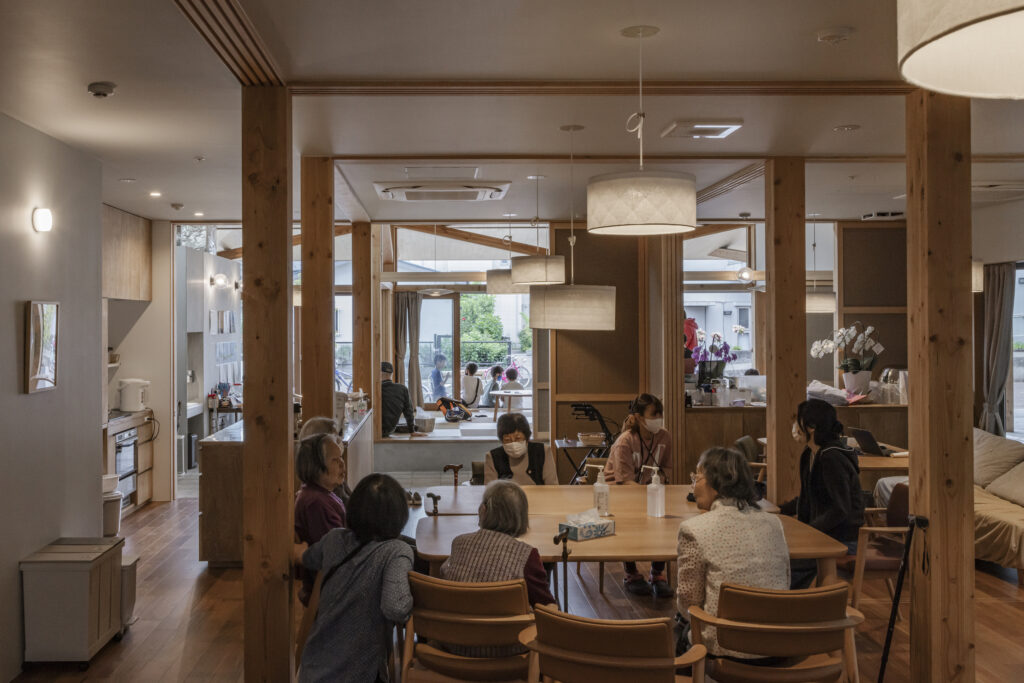
The aging population requires nothing less than a radical retooling of the territory, with architects and urban planners at the forefront of this transformation.
No more posts
I am certain that, if we had had to go through the procedure of preparing a detailed plan, we would not have achieved a comparable result. The more time-consuming procedure would probably have yielded a ‘heftier’ solution in terms of urban development as a compensation for the profits lost by undeveloped property. At any rate, the future would have arrived several years later.
No more posts