But why?
The translation of human thinking and machine thinking in architectural design is ambiguous, their mediation requires the architect to ask the questions “How come?” and “What for?” over and over again in the process.

 kaire
kaire
The translation of human thinking and machine thinking in architectural design is ambiguous, their mediation requires the architect to ask the questions “How come?” and “What for?” over and over again in the process.
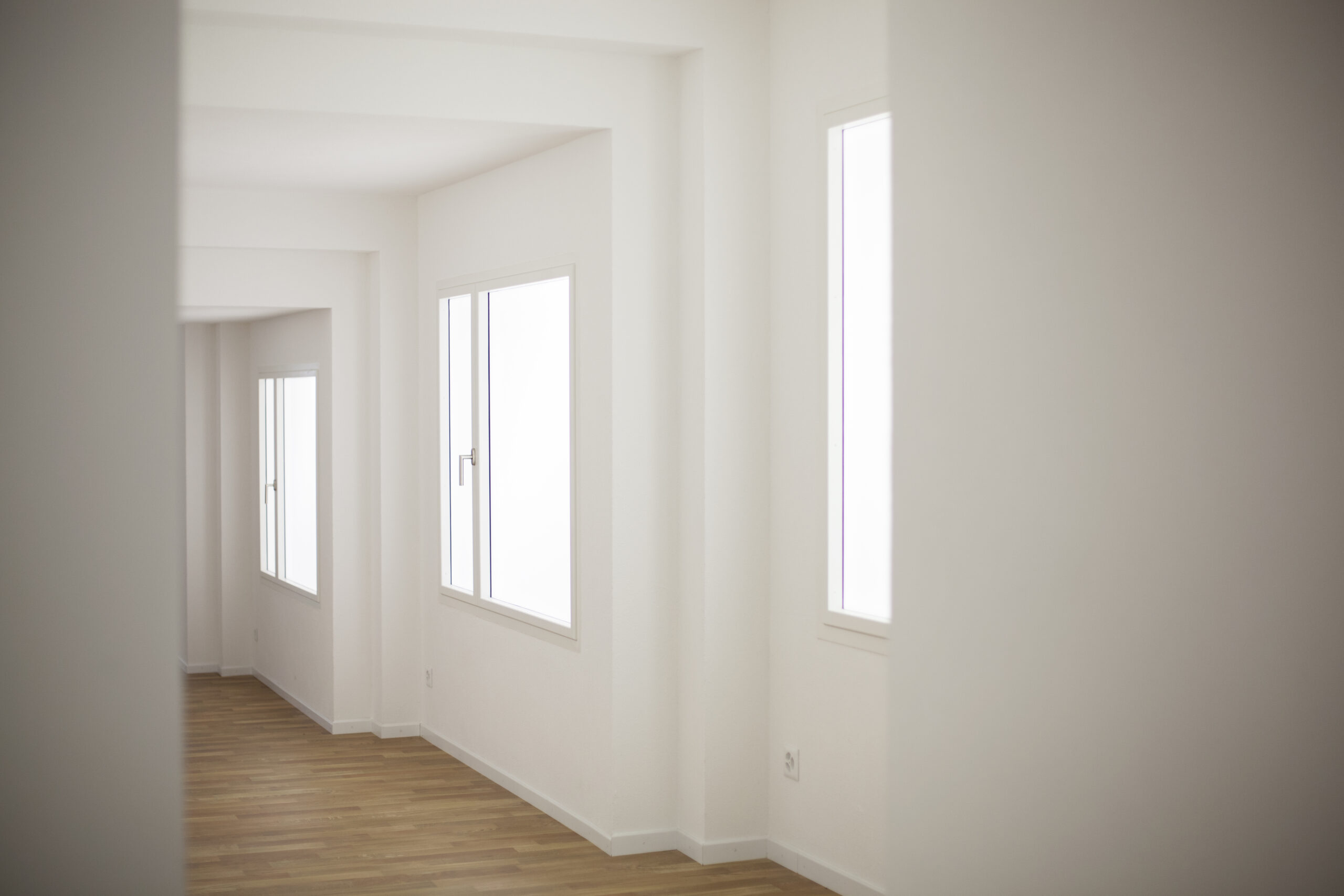
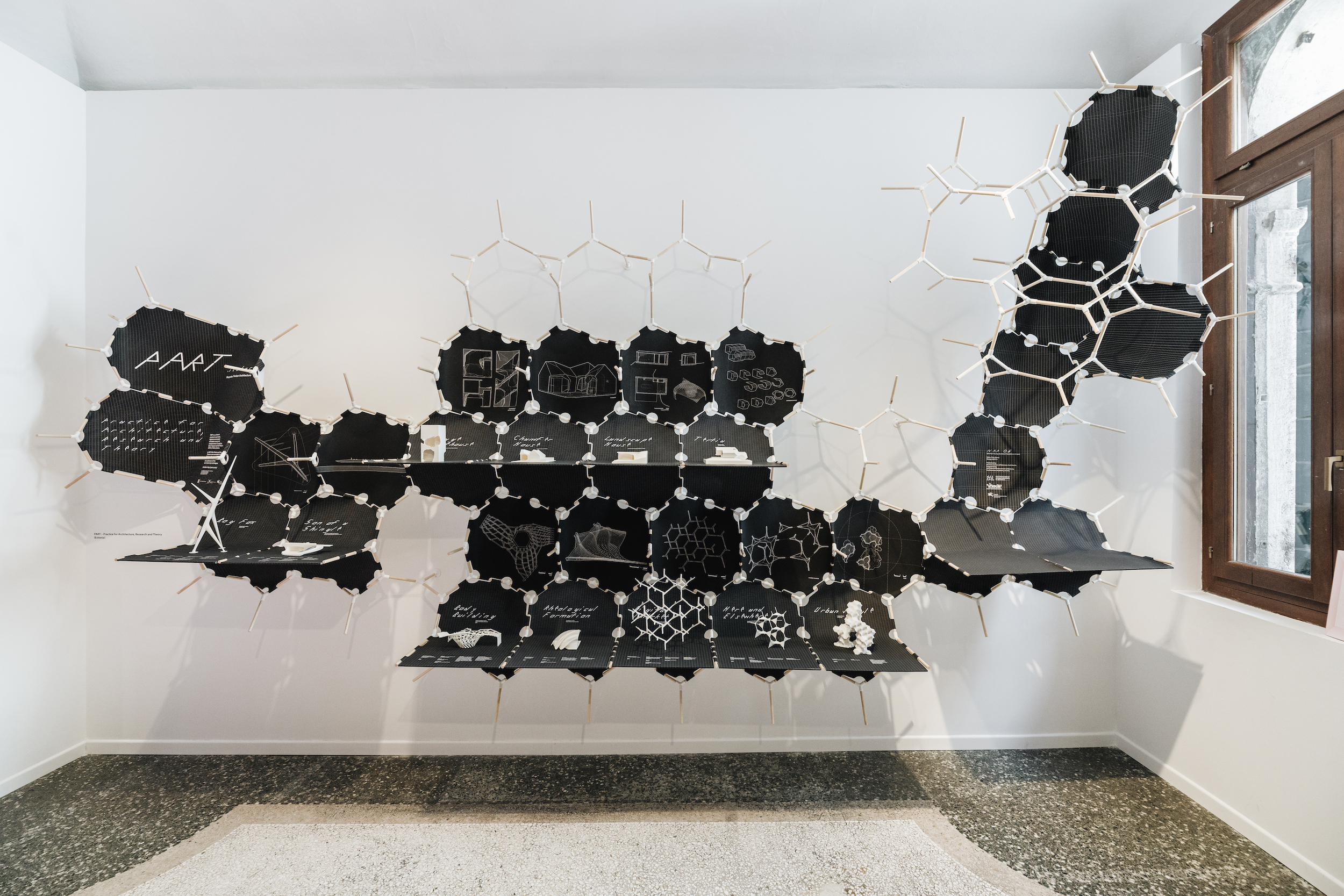
The curators of 16th Venice Architecture Biennale “Freespace” Yvonne Farrell and Shelley McNamara feature a series of projects highlighting the social and humanistic facets of good architecture.
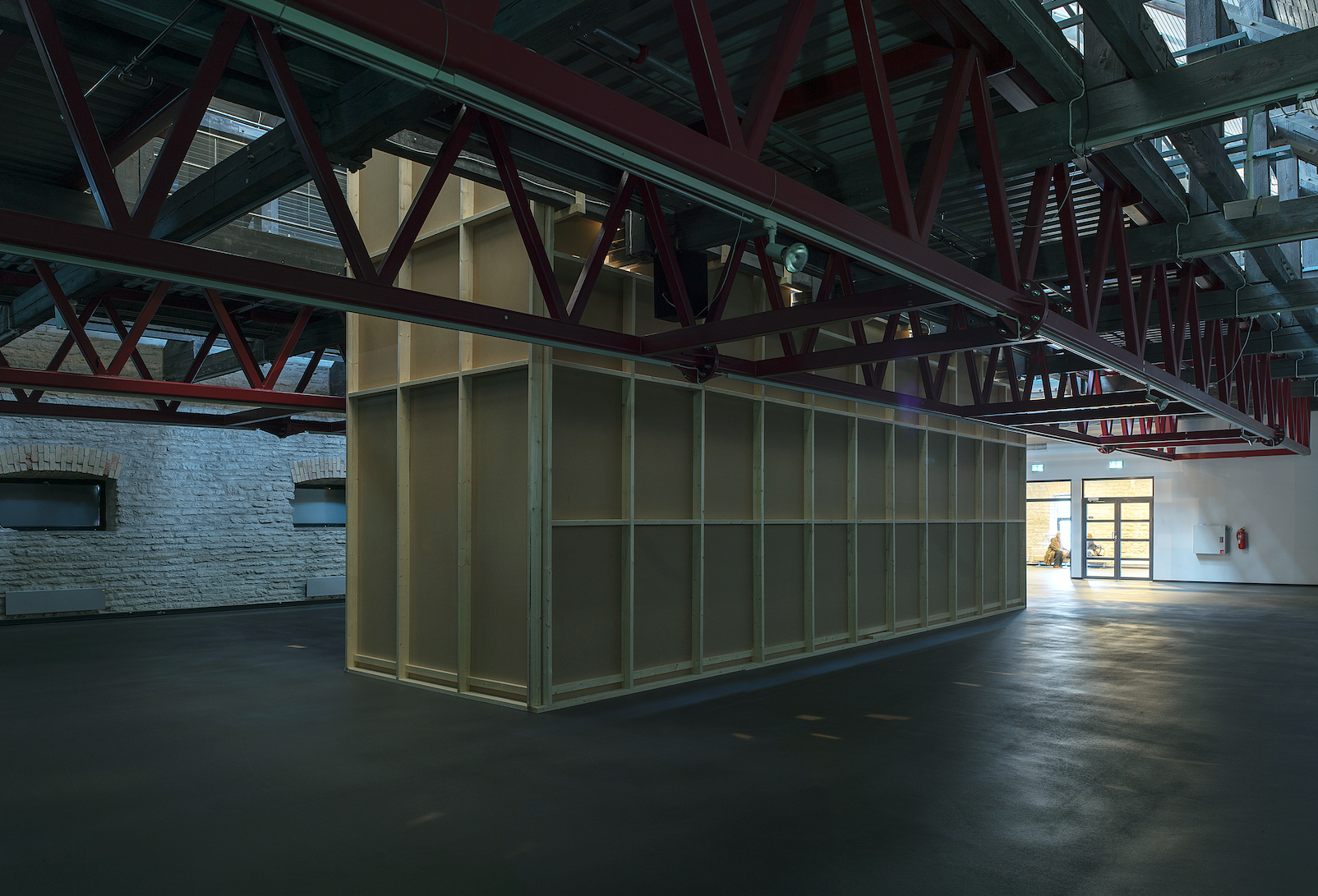
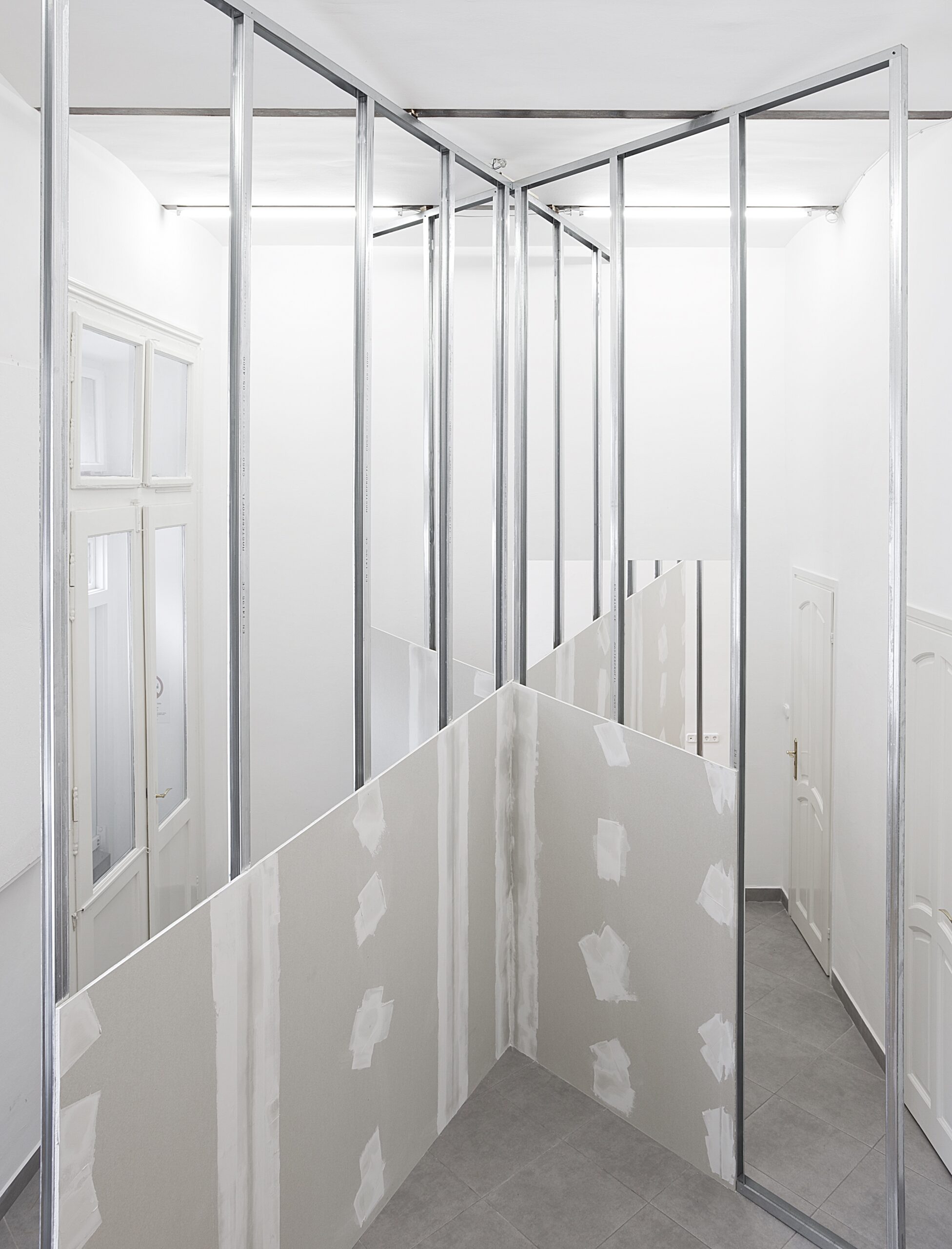
Exhibition and spatial installation in the main hall of the Museum of Estonian Architecture 27.01.-25.03.2018.

Urmo Mets’ Conceivable Houses can be read in either a conceptual or realist way. A realist reading is the opposite of a conceptual reading in the sense that the goal is not to take in a particular idea, but, on the contrary, to find oneself transported through the text into an imaginary environment where no normal or habitual processes can be expected to work.
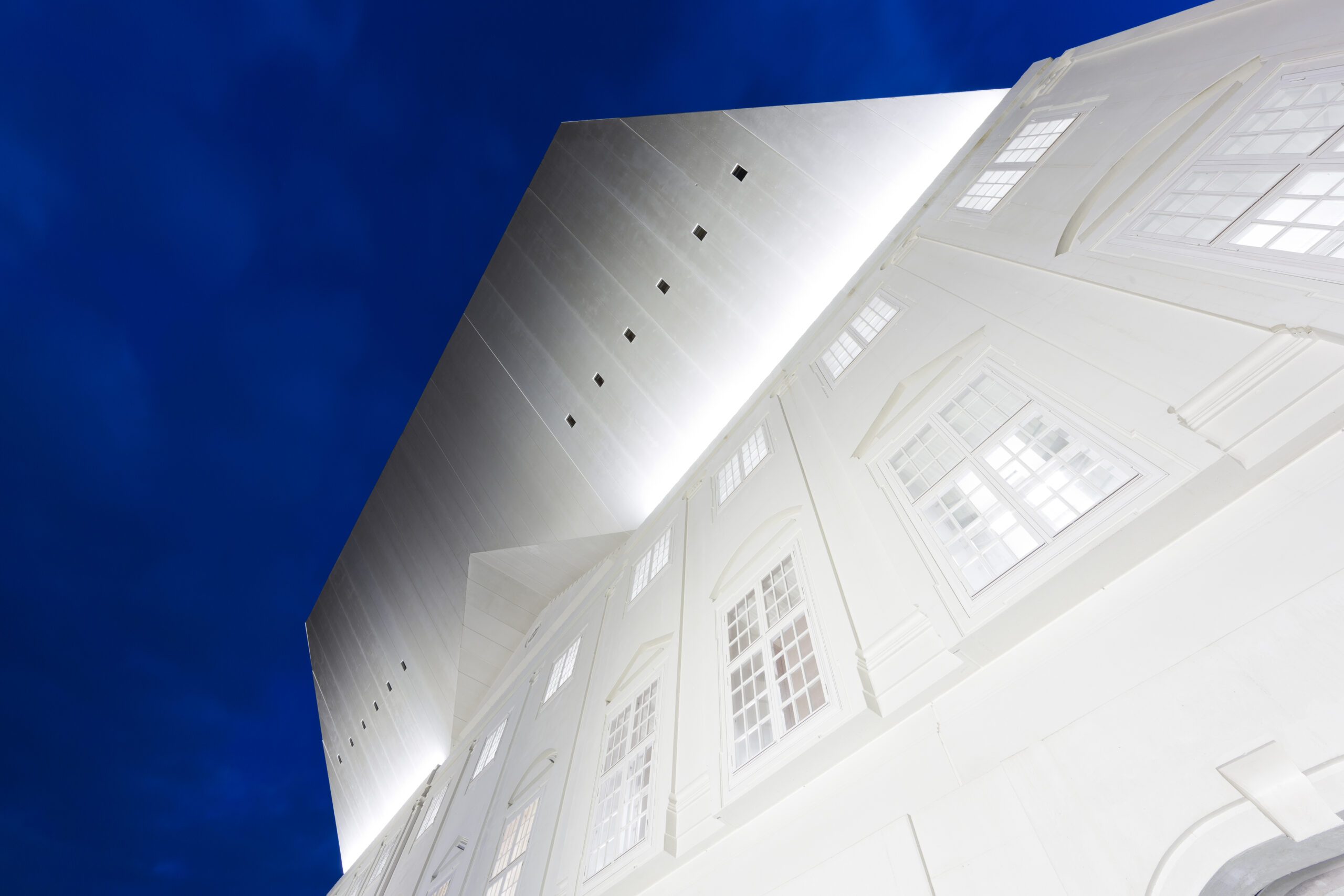
The new building of Narva College features self-conscious architecture embodying the vitality of culture – mystery, courage and community.
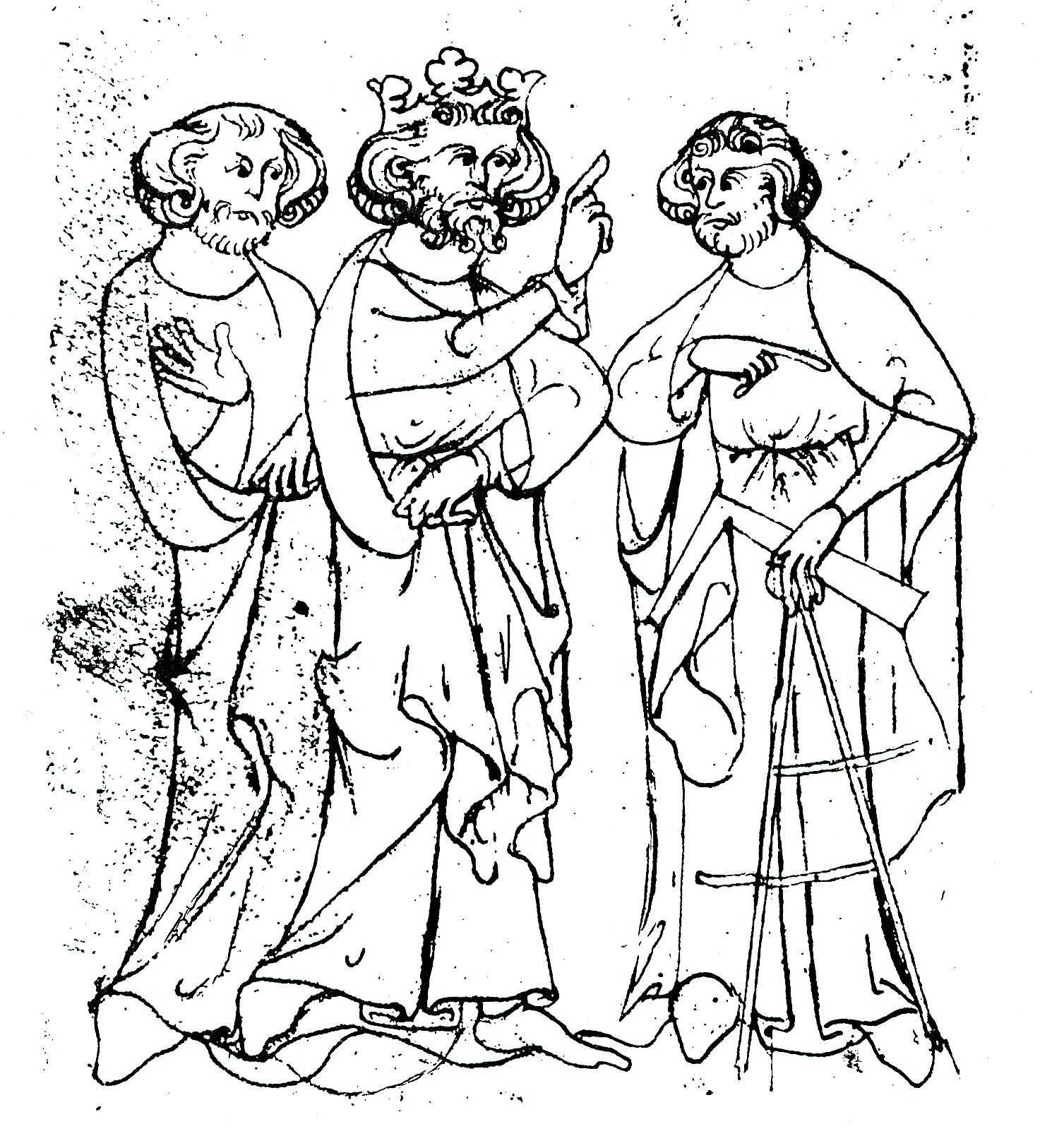
Is it possible to pair the obscure component of architecture—the component which it is easier to remain silent about, but which may possibly have the ability to establish meaningful connections with most diverse audience—with a clear and coherent analysis?
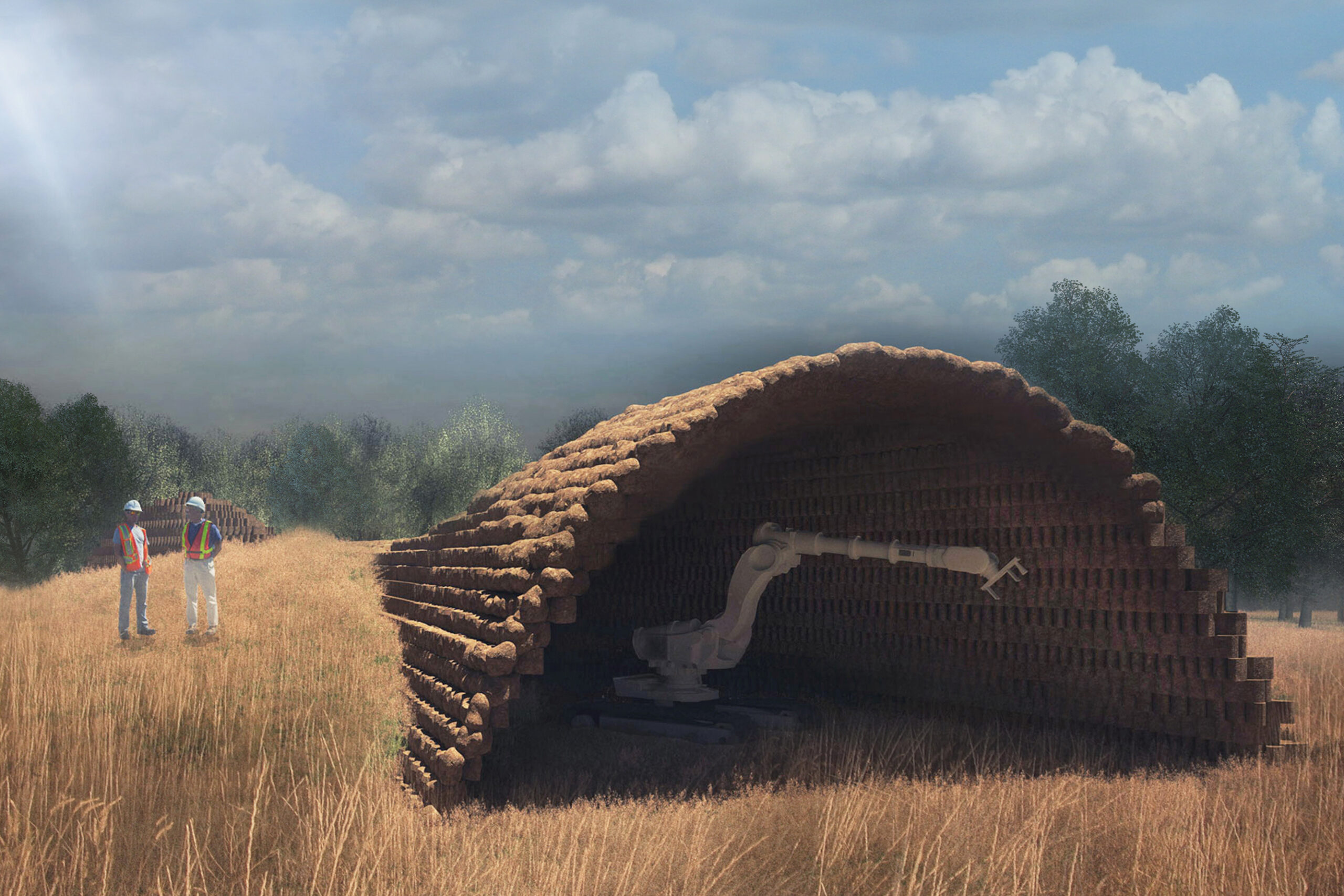
Last year I defended my Master’s thesis at the Faculty of Architecture of the Estonian Academy of Arts researching a thoroughly new building material – peat and oil shale ash composite. Both substances in their pure form are poorly applicable or even unusable in construction. Things get interesting, however, as soon as you join the two materials.
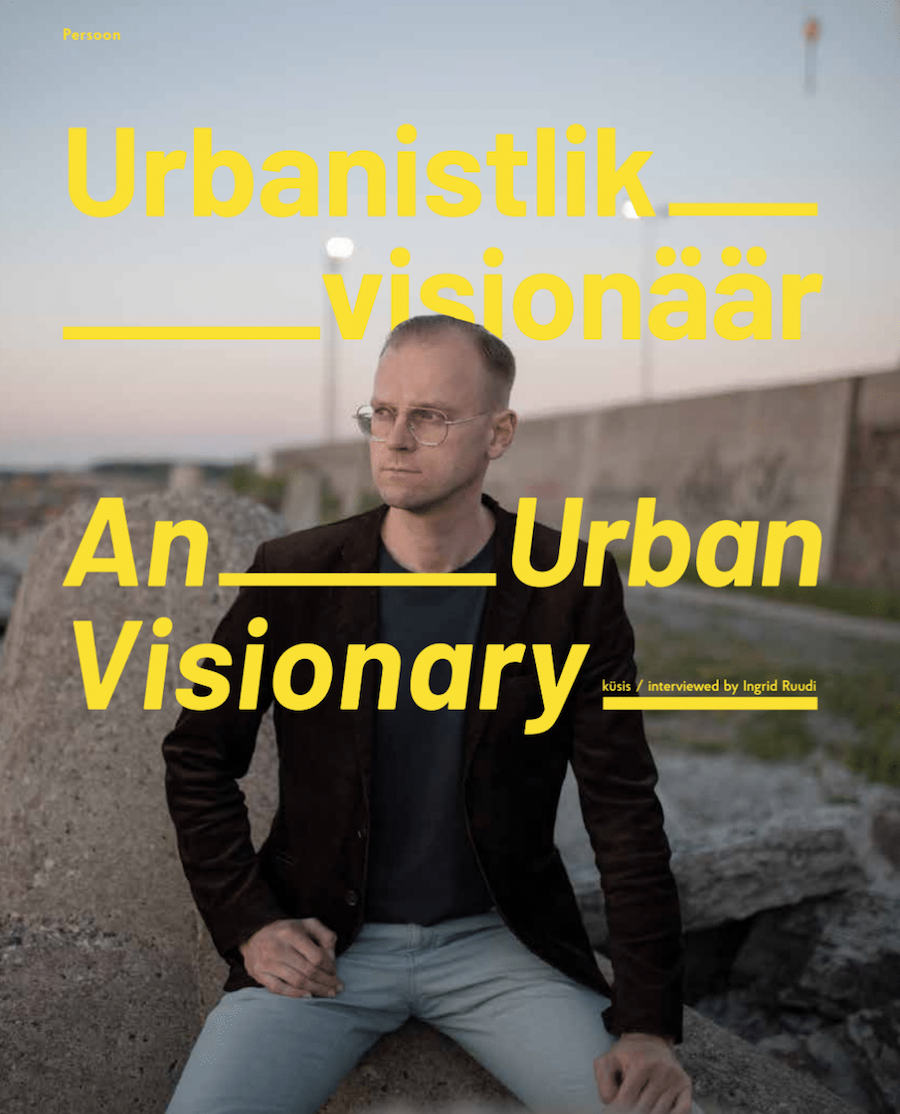
Villem Tomiste is like a figure from the beginning of 20th century Young Estonia movement – genuinely European, deeply urban, and as such, slightly suspicious for the local conservative community. Unlike many architects who preach social benefits, he actually lives by what he promotes in his civic visions – urbanistically to the core, commuting on foot and by tram, avoiding over-consumption, and with a refined aesthetic sensibility. Contemporary spatial culture is, for him, a field of opportunities: extending from urban planning and landscaping projects to dialogues with contemporary music, the visual arts and various exhibition practices.