European Spatial Policies and State Architects
We do not merely need the spatial policy as a document but also the people to implement it.

 kaire
kaire
We do not merely need the spatial policy as a document but also the people to implement it.

What changes will the administrative reform bring to spatial planning as seen from the level of the state? Many decisions made by local governments have an impact on space, so how can we make these decisions more informed?
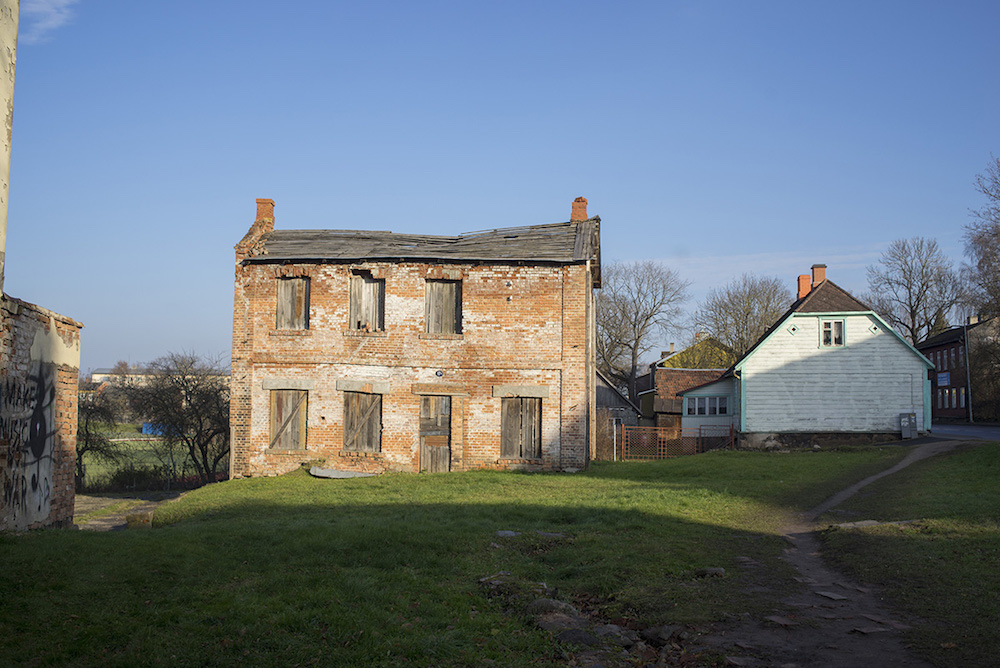
Acting in accordance with statute of the heritage conservation area in a shrinking city like Valga is impossible. Investing in listed buildings (architectural monuments) and buildings located in heritage conservation areas should be promoted in shrinking cities when the support measures for various fields are developed.

To what extent does the administrative reform correspond to long-term settlement changes and the National Spatial Plan Estonia 2030+?
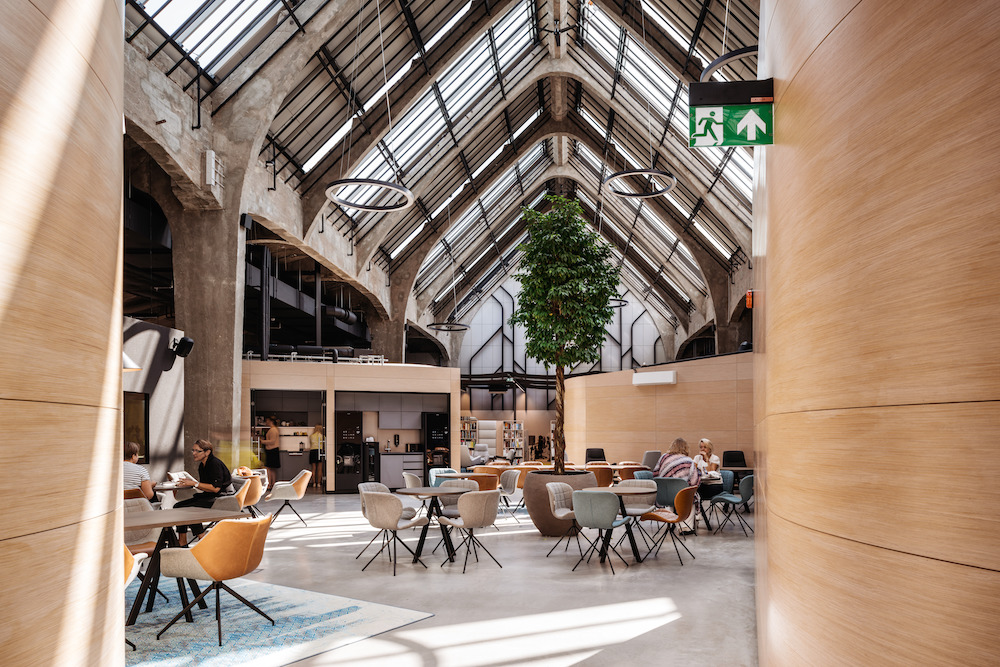
Strict special conditions set by the National Heritage Board have ensured excellent renovation results but not the thunderbolt contemporary solution on a par with the original.
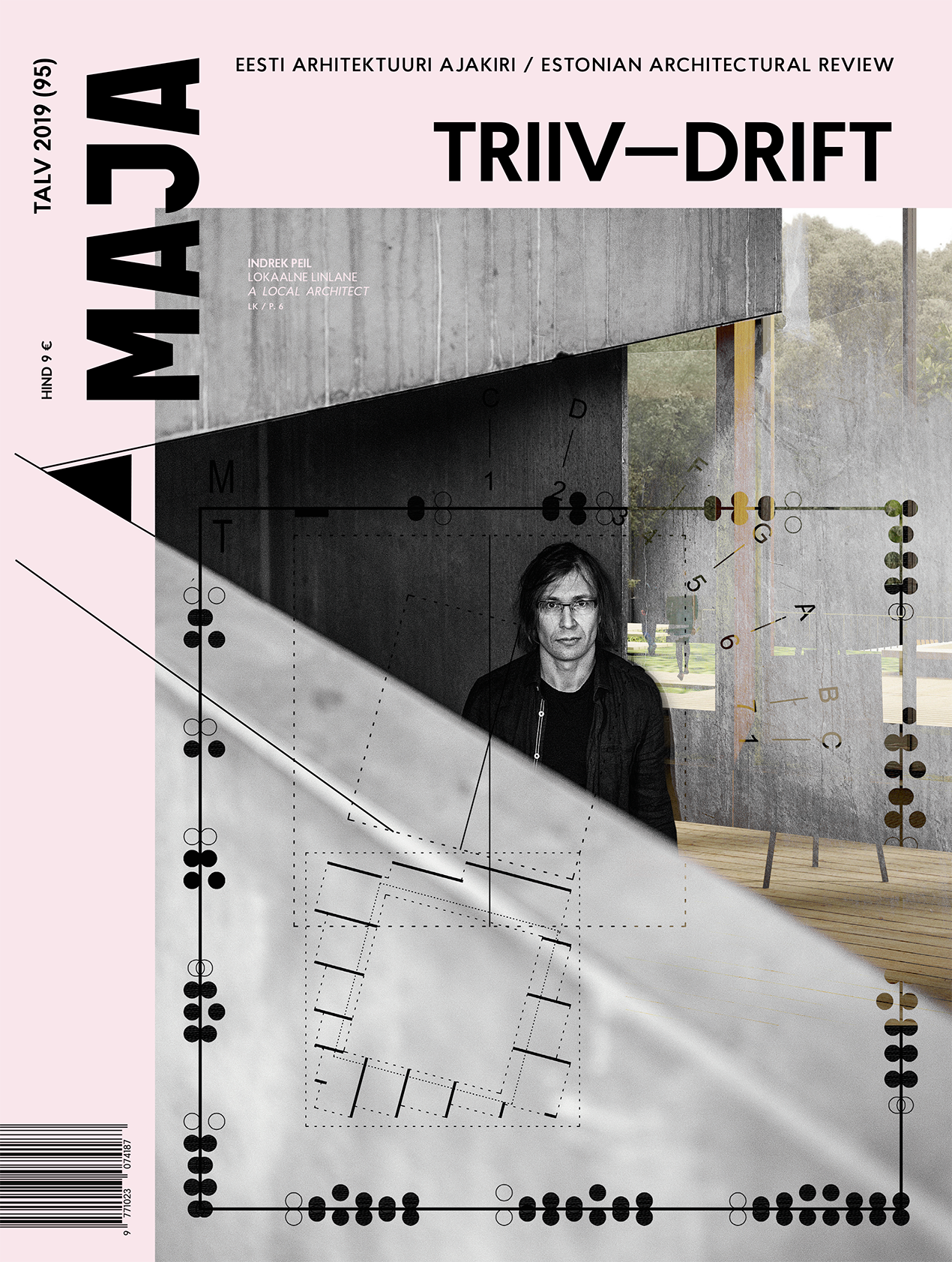
PORTRAITIndrek Peil. A Local Architect 〉 Interviewed by Mirko Traks MEDIATIONEmbodied Space: Metaphor and Metamorphosis 〉 Margus OttStubborn Space 〉 Tõnu RunnelThe Era of Green Deserts 〉 Jaan Kaplinski DRIFTBerlin. A Brushwood Metropolis 〉 Piret KarroShanghai – A Normal Chaos and Curated Mentality of Letting Go 〉 Tõnis Kimmel, Inke-Bret EekThe Process Within the Process

Distinctive places such as a modest park in Kreenholm district can connect the community by approaching citizens in their own way and encouraging the search for a common ground.

The fate of a shrinking town is greatly influenced by the location and building of the state secondary school. In the course of the process of establishing twenty new state secondary schools, it is only natural to consider what contemporary pedagogy and the respective learning spaces are like.
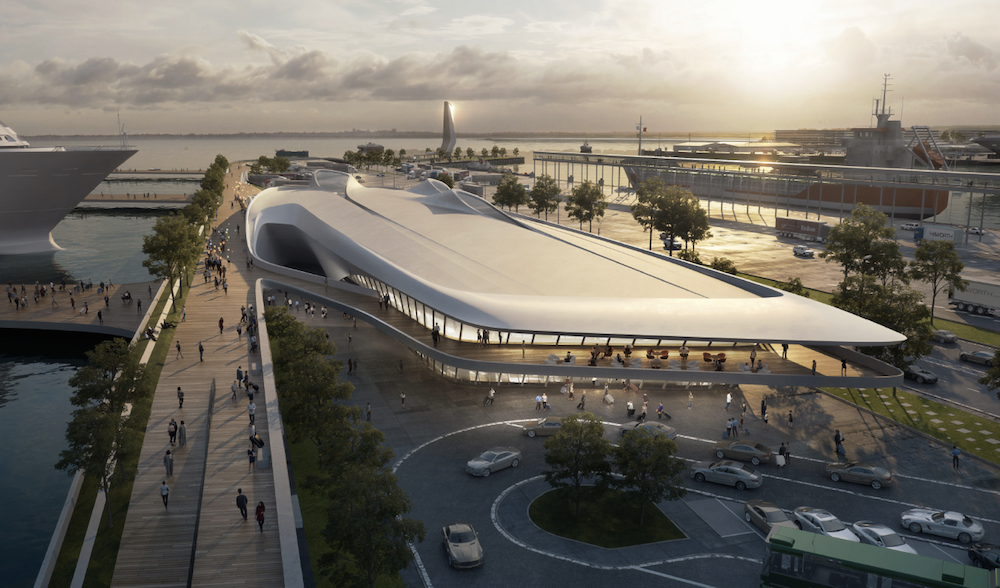
There are tumultuous times in the seafront development in Tallinn with variously motivated changes. This is the moment when architectural institutions must perceive their sense of responsibility and contribute to the big picture with their expert knowledge.
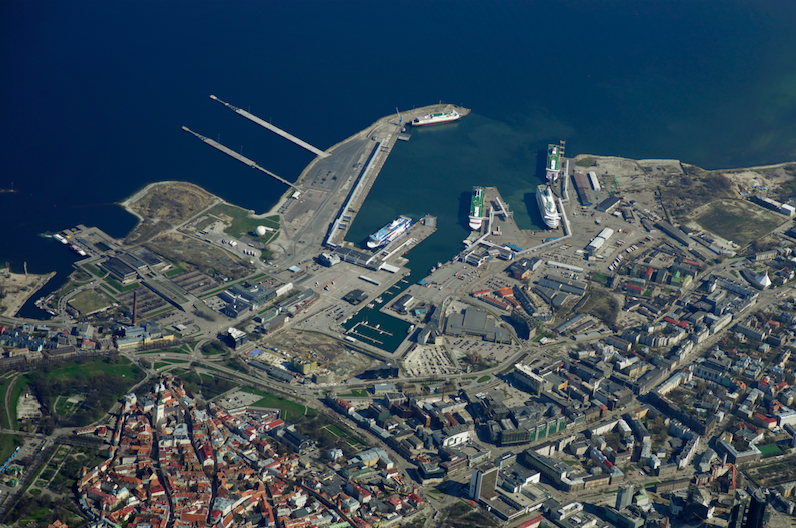
The main challenge for the competition lay in connecting the harbour with the city centre and creating a built environment that would speak to all Tallinners.