
Shanghai–A Normal Chaos and Curated Mentality of Letting Go
When looking at China with an open mind, there are quite a few lessons to be learned.

 kaire
kaire
When looking at China with an open mind, there are quite a few lessons to be learned.
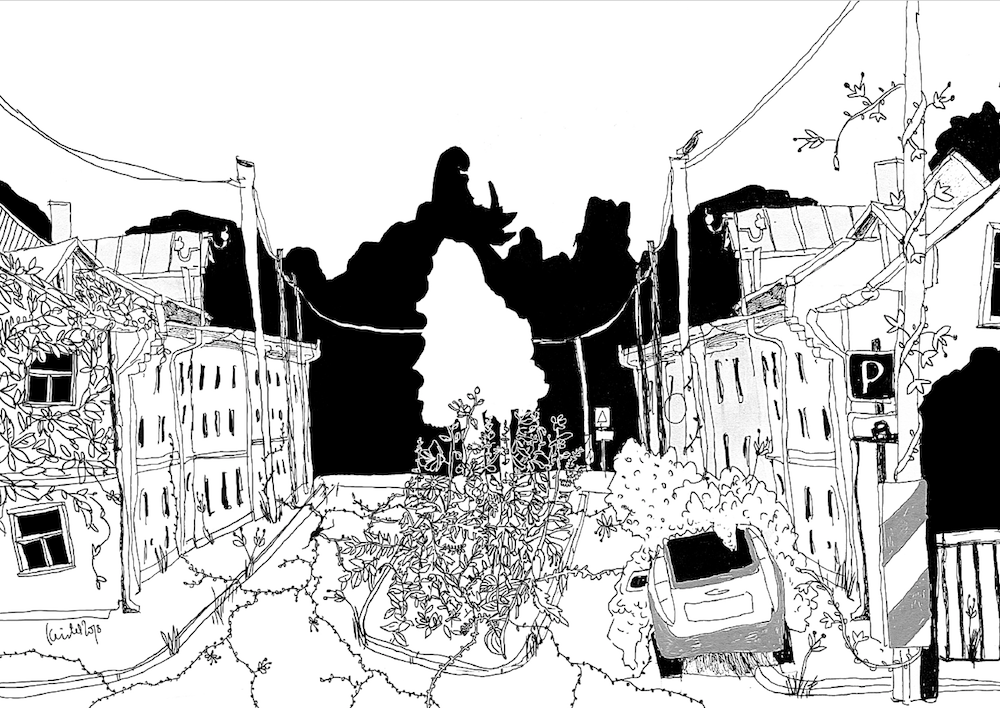
The order of nature is complex, interesting and beautiful. However, mankind’s understanding of order and beauty tends to be somewhat primitive and thus we are increasingly losing the sense of balance that could direct our activities. Green areas are meant for public use, but in reality they have become neatly mowed lawns that people never walk on and that we have consequently made unsuitable for other living organisms.
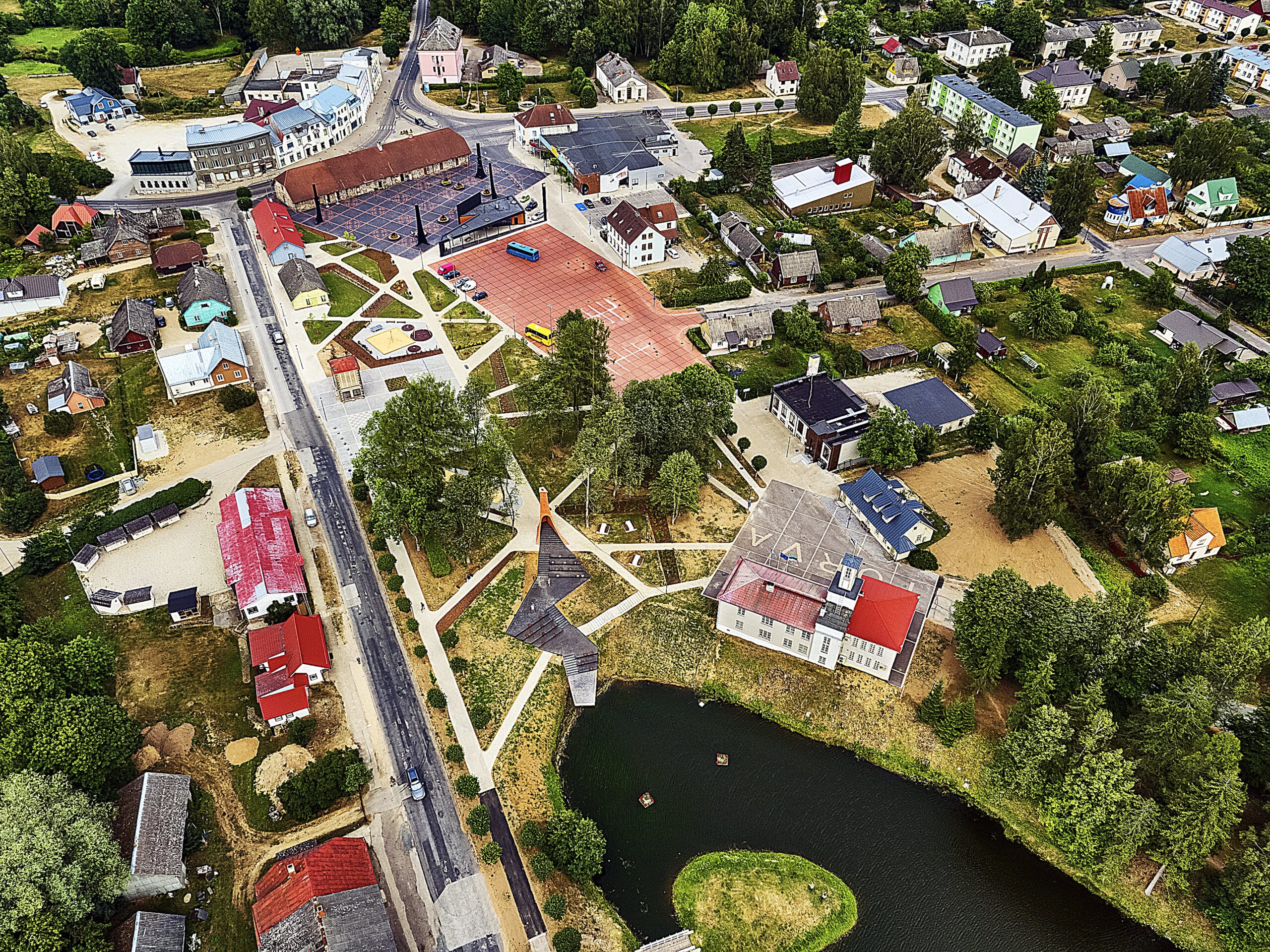
“Great Public Spaces” competitions have an unprecedented historical value – the improvement of the quality of the spaces between the buildings has never been approached so systematically. The first of the fifteen squares are completed and ready for use. How did the innovations suggested in the winning entries transform into projects and from paper to space?
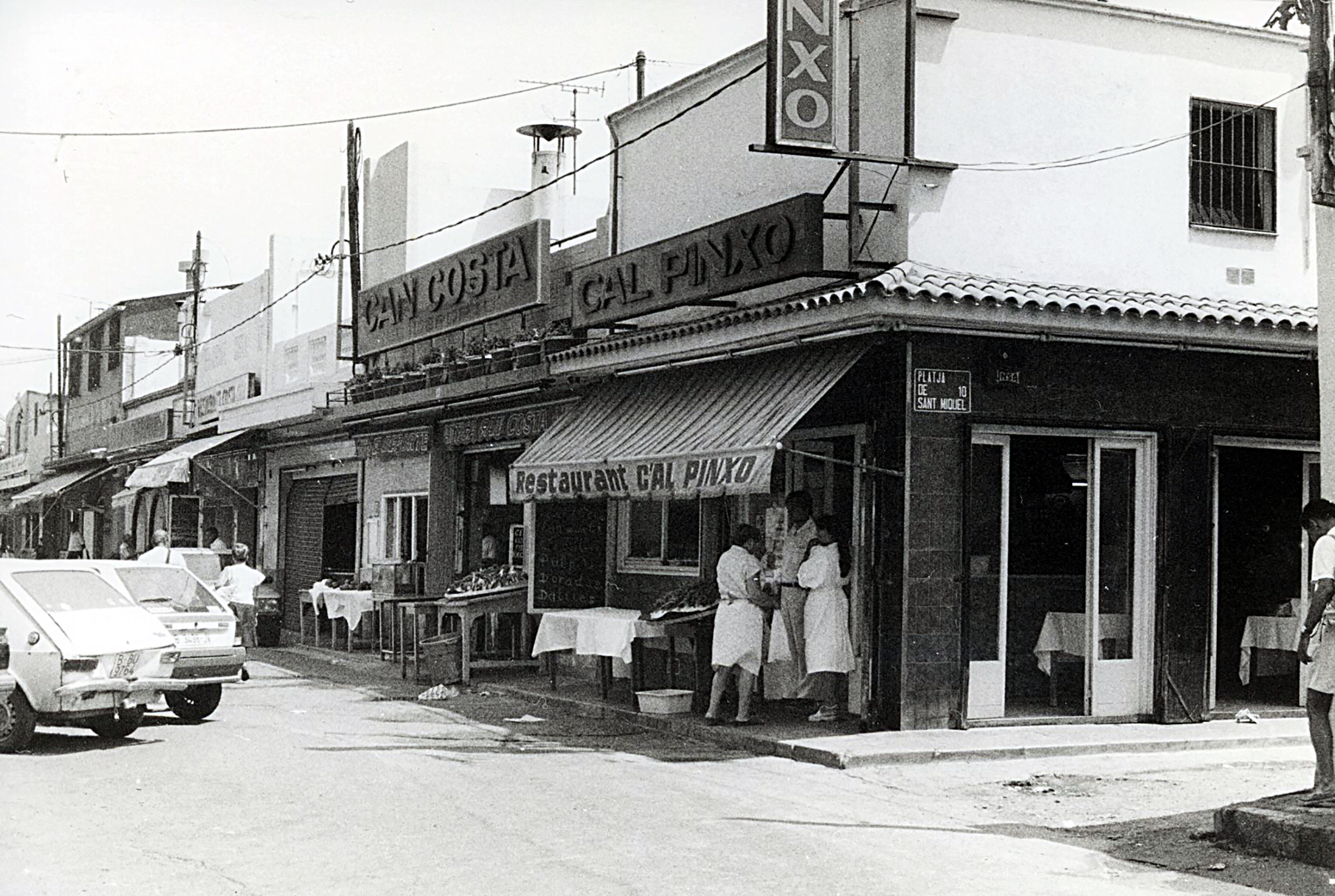
A new system was established in Barcelona during the Olympics – an interconnected and organised chain of 10 public beaches. Its parts adapt to the changing times: they let themselves be rethought and thus allow self-sufficient life to flourish.
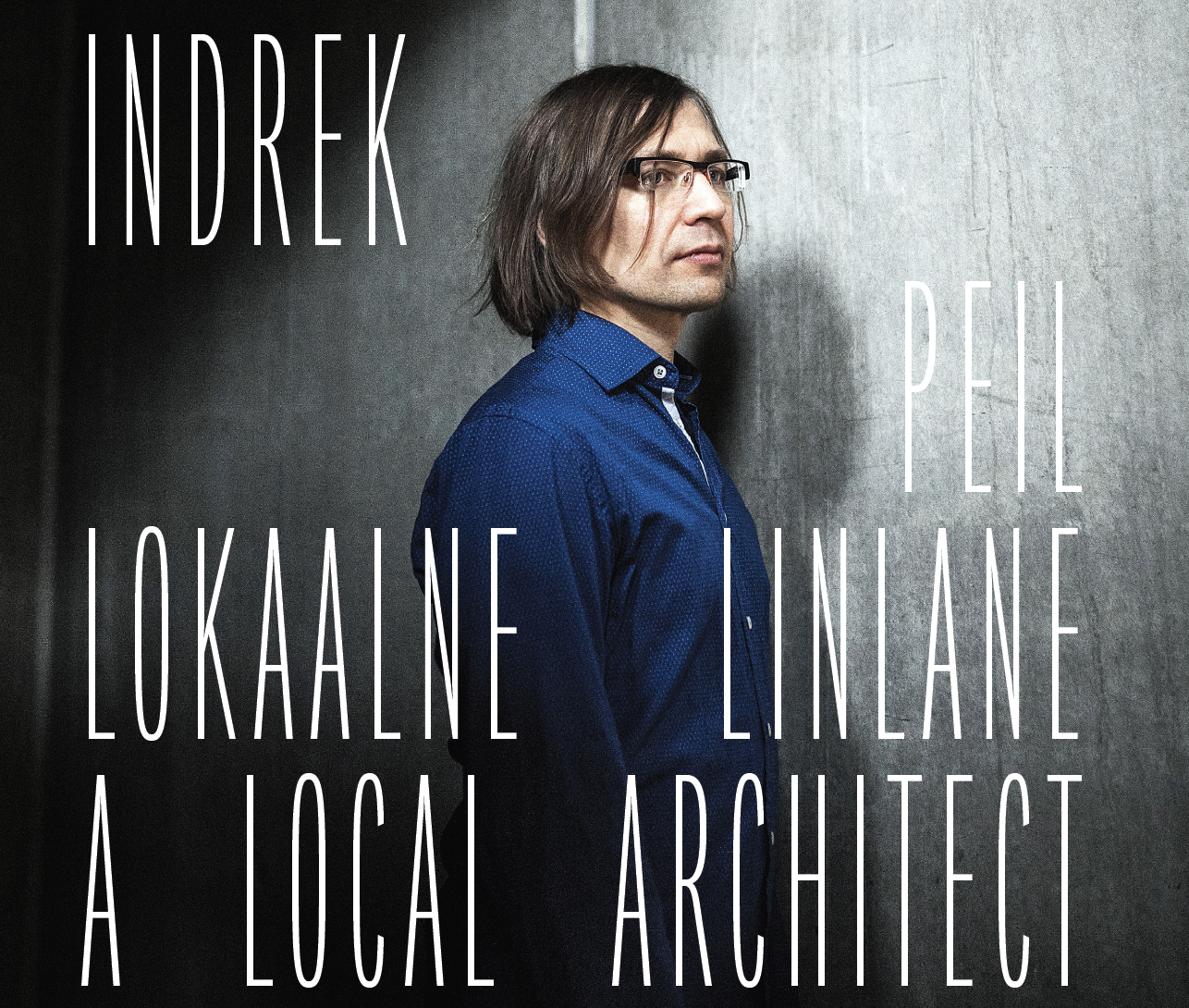
Spectrum thinking has freed him from the constraints of the black-and-white view of the world: drifting in semitones allows him to choose only the topics that fire him up. Everything you start with must be finished, the process is facilitated by the main tool of concentration that to outsiders seems deceivingly chaotic.
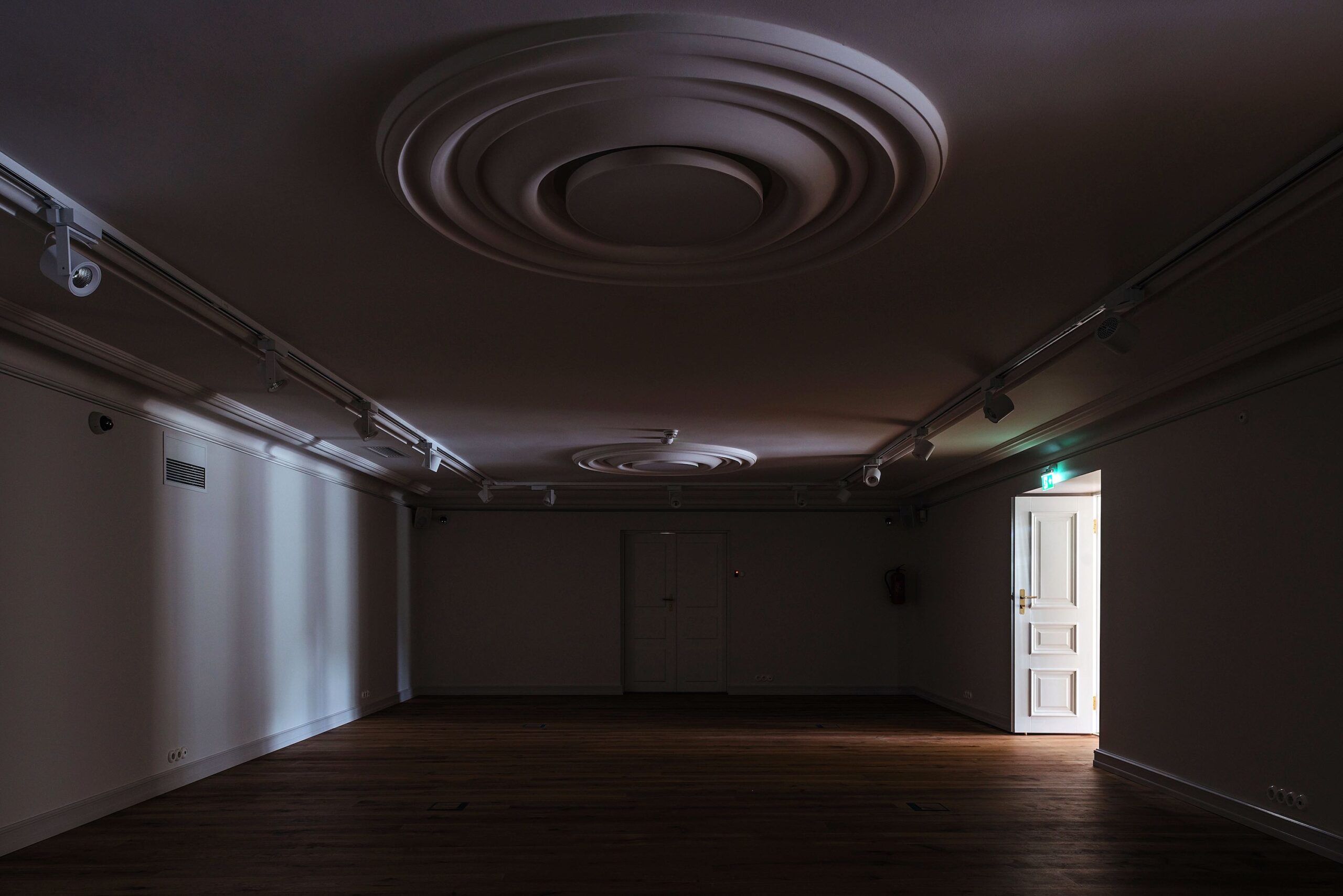
Space is not something straightforward and given, it emerges from transposition and transformation. Actual space is never uniform, but contains prioritised directions that are bound to our agential needs. However, postponing the individual needs creates possibilities for rethinking and redesigning the space. This yields powerful results, although one should not get overly entangled in admiring them. These results are just fulcrums for further transformations.
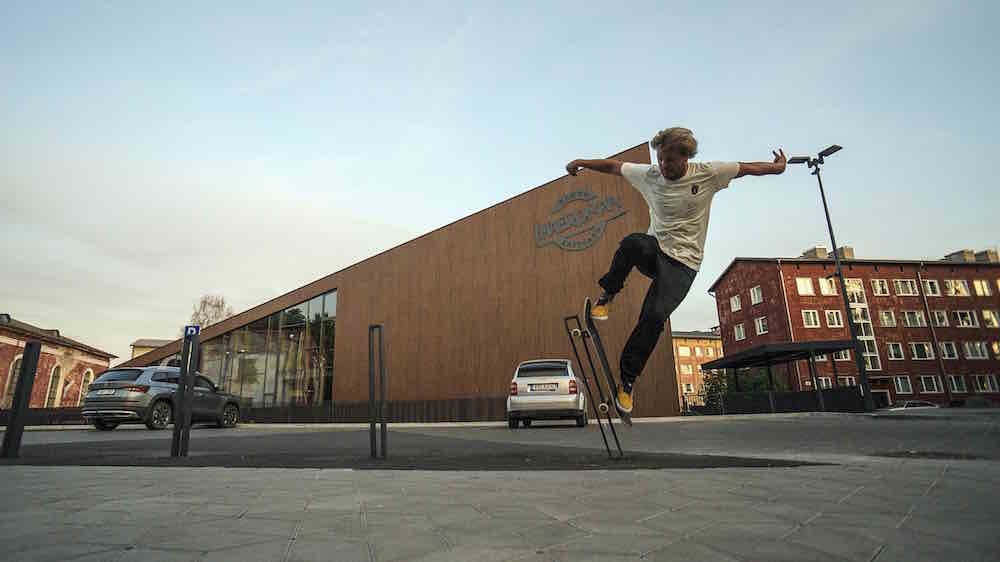
How to design public spaces to make us enjoy our daily movement?
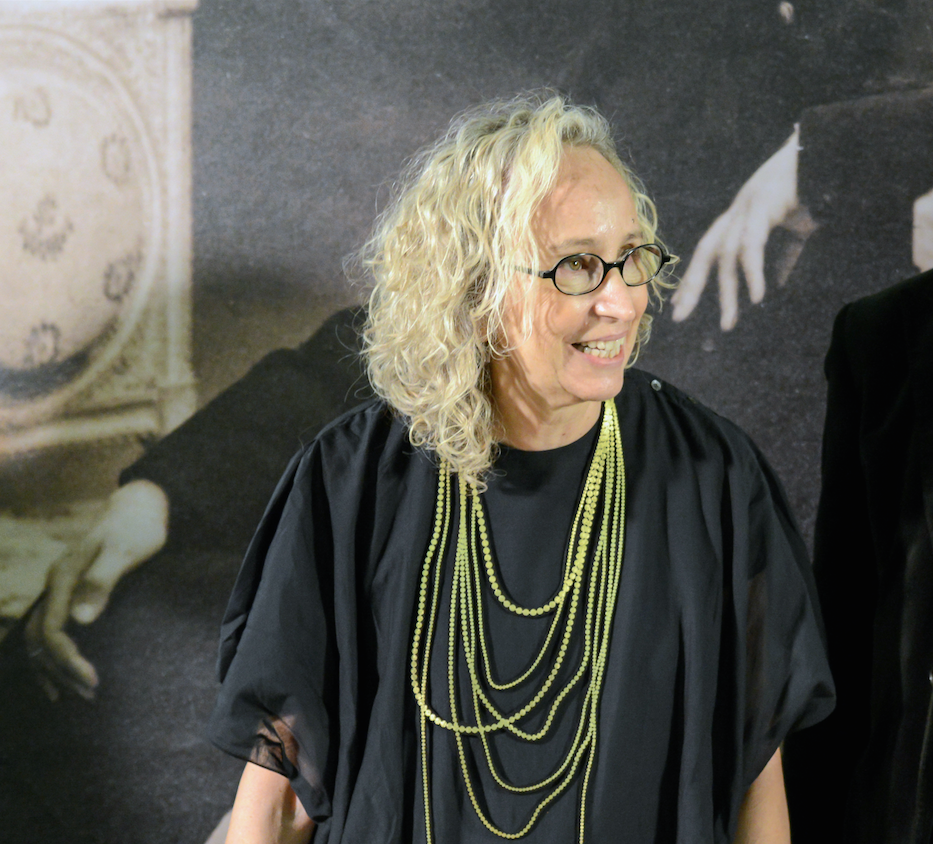
The interview is based on Yael Reisner’s lecture Why Beauty Matters in Architecture; the cultural bias, the enigma, and the Timely pursuit of New Beauties given at the Estonian Academy of Arts in February 2018. She was also chosen to be the head curator of Tallinn Architecture biennale in 2019 with her chosen title Beauty Matters, The Resurgence of (the temporarily dormant) Beauty.

The centre dedicated to the composer Arvo Pärt is loaded with many different expectations which set very high standards for the architecture. A successful architectural space not only provides a particular set of facilities, but also functions as an abstract machine, a means to contemplate our place in grander schemes of things.
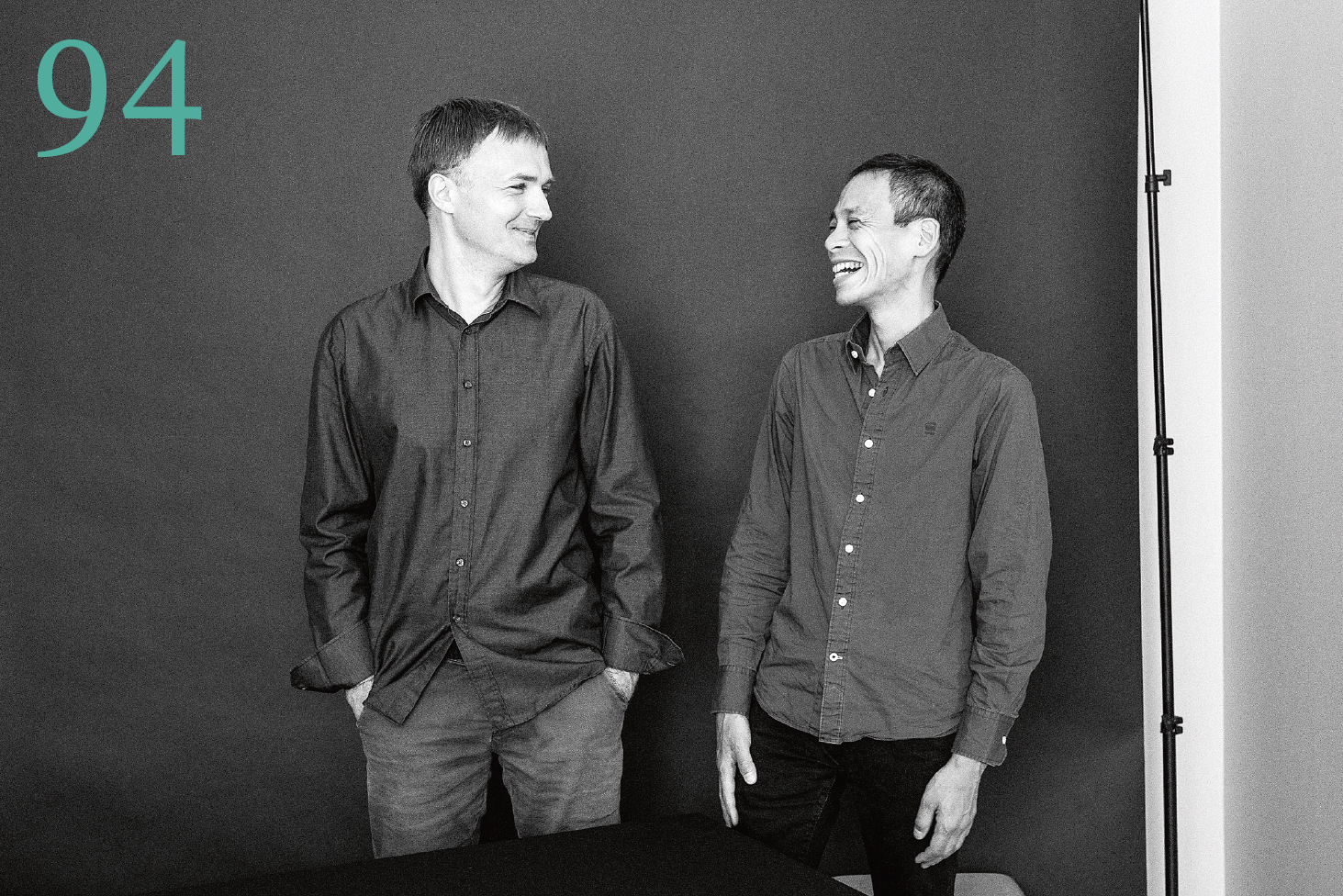
It seems that in architecture, the only way to ensure high quality is to rely on commitment, consideration and precision. Tomomi Hayashi and Hanno Grossschmidt do their work in a composed manner with professionalism and commitment. And their architecture speaks for them.