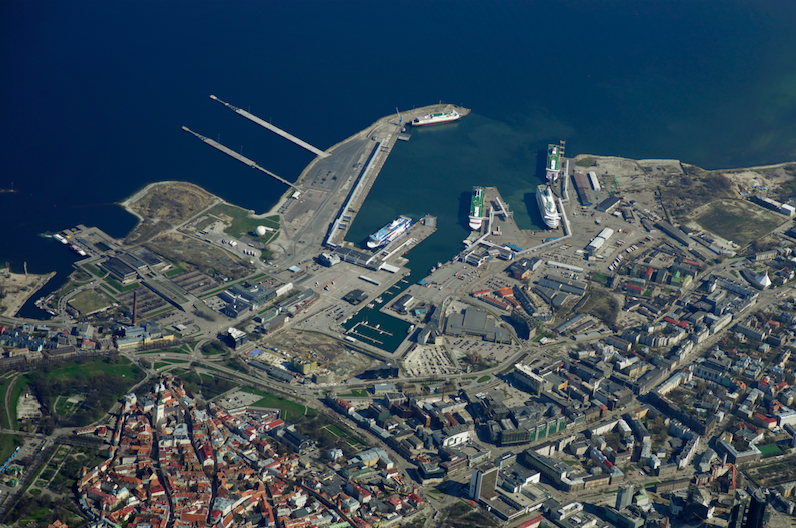
Tallinn Old City Harbour Masterplan Competition
The main challenge for the competition lay in connecting the harbour with the city centre and creating a built environment that would speak to all Tallinners.

 kaire
kaire
The main challenge for the competition lay in connecting the harbour with the city centre and creating a built environment that would speak to all Tallinners.

Estonian culture factories and creative districts yesterday, today and tomorrow.
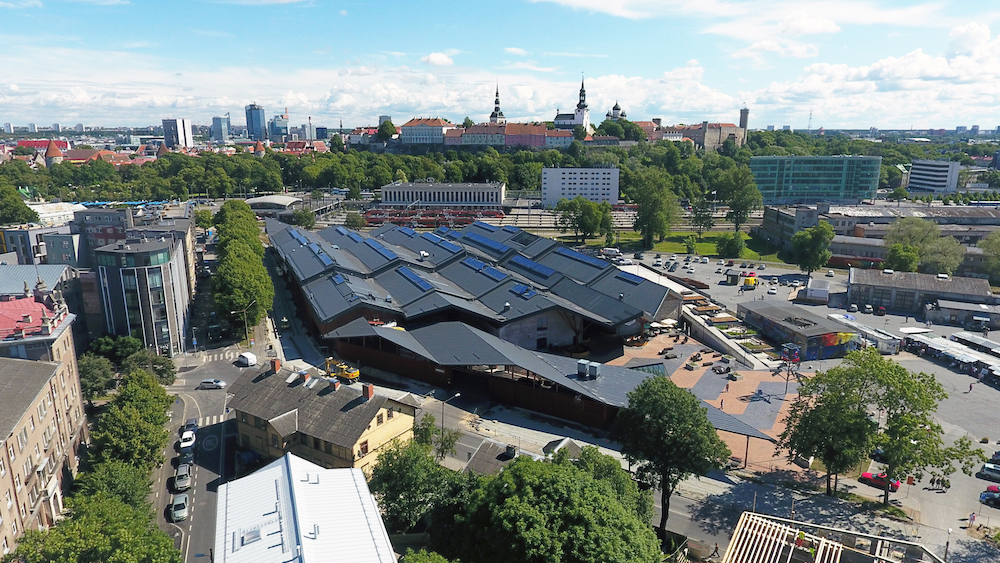
Architecture: Raivo Kotov, Kaur-Lembit Stöör, Martin Tago, Maia Grimitliht / KOKO ArhitektidLandscape architecture: Eleriin Tekko / KOKO ArhitektidInterior architecture: Kärt Loopalu, Kadri Kaldam / KOKO ArhitektidEngineering: Allar Nõges / Neoprojekt OÜCommissioned by: Astri Kinnisvara OÜConstruction: Mapri Ehitus OÜ Area: 16 309 m2 Net area: 19 200 m2 Project: 2014-2016 Construction: 2016-2017 What were

I am certain that, if we had had to go through the procedure of preparing a detailed plan, we would not have achieved a comparable result. The more time-consuming procedure would probably have yielded a ‘heftier’ solution in terms of urban development as a compensation for the profits lost by undeveloped property. At any rate, the future would have arrived several years later.
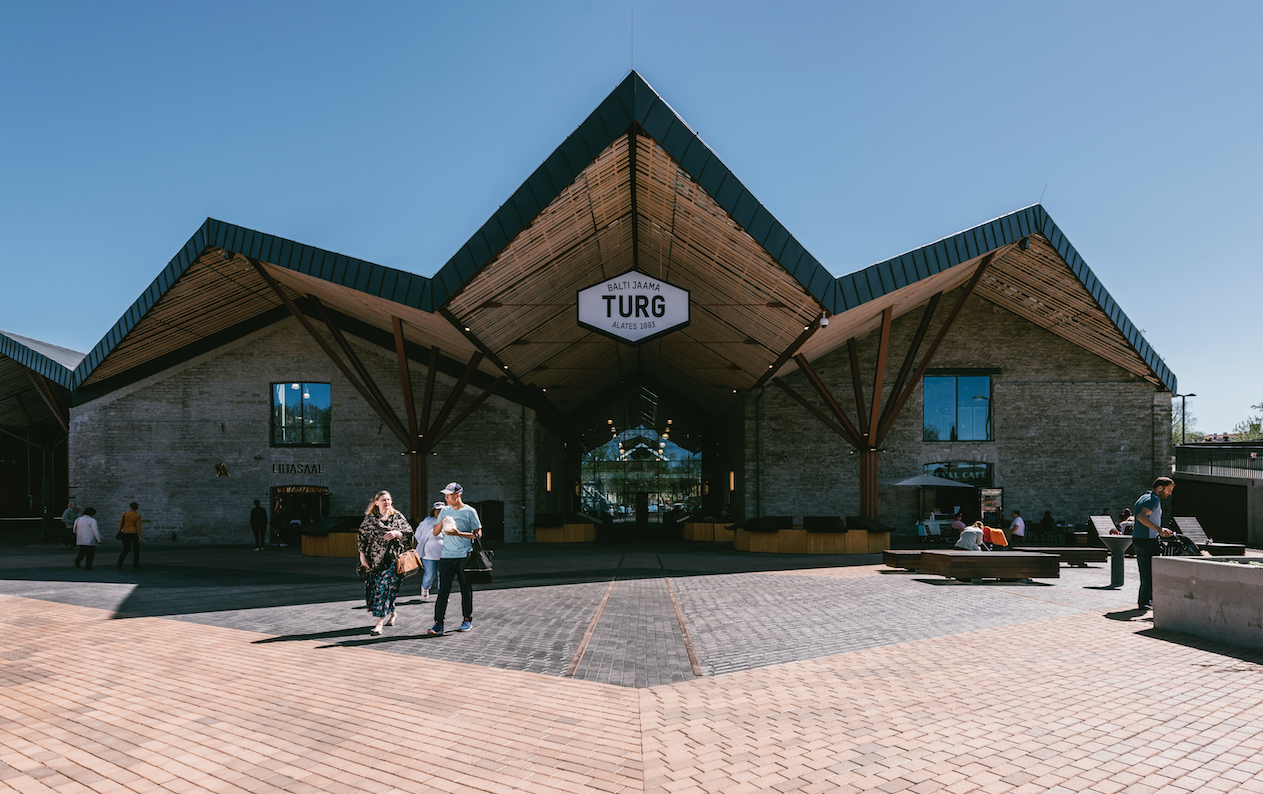
I have failed to notice, in all those nostalgic reminiscences about the old Baltic Station market, has anyone shown any interest in whether the sellers themselves actually enjoyed spending time in this environment?
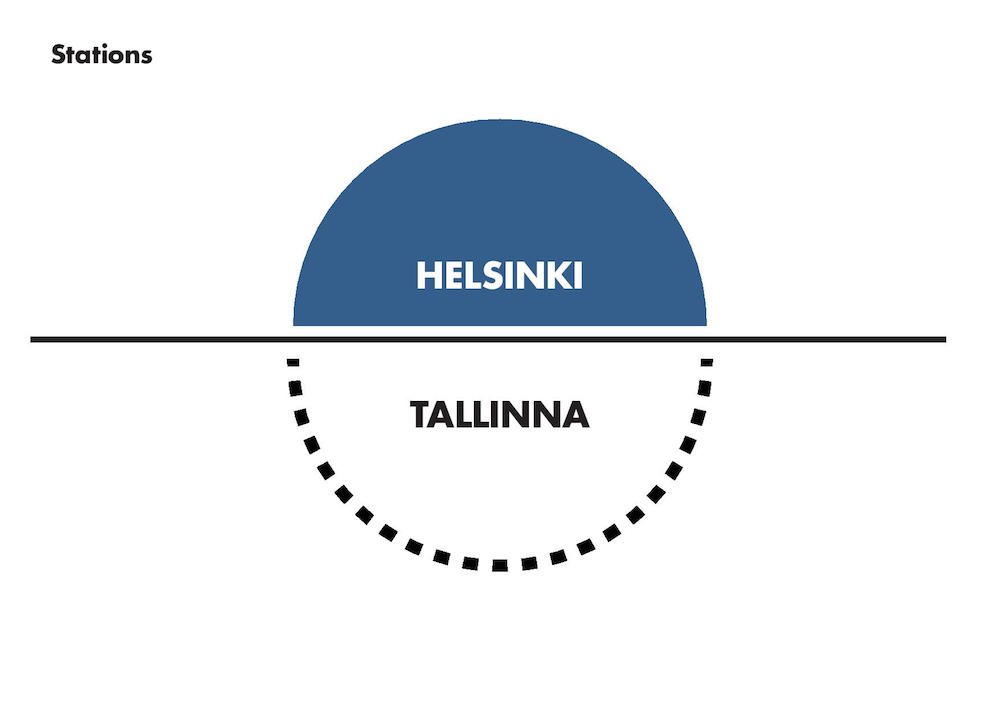
The most important question regarding the future Tallinn-Helsinki tunnel is no longer if, but how. What kind of unified twin city will Tallinn and Helsinki become thanks to this fast link? This requires foresight and awareness from officials, professionals and politicians.
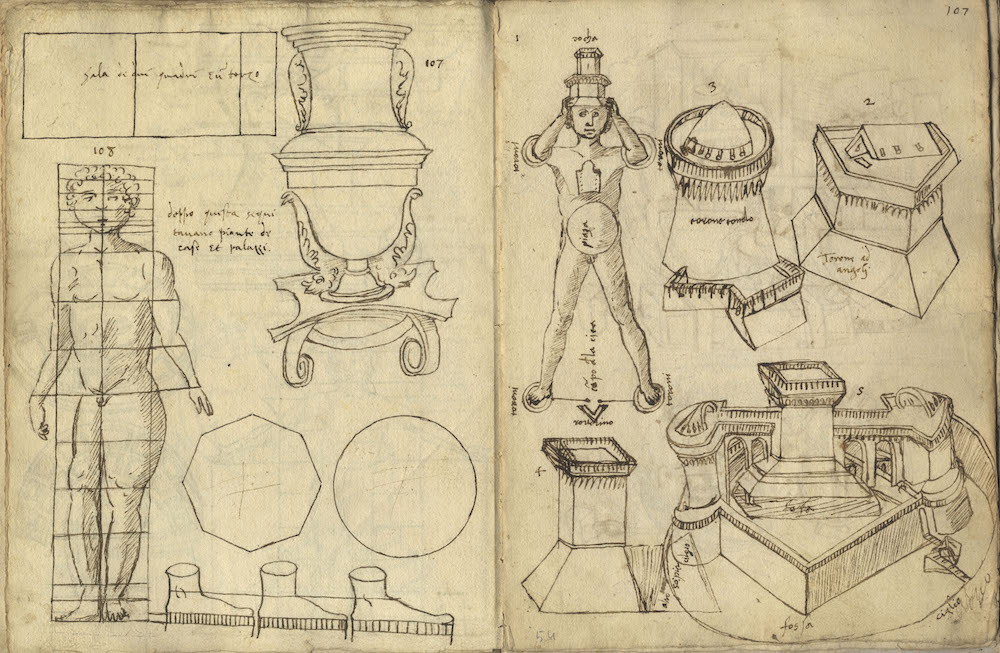
For me, the key question posed by resilient urbanism is that of the status of the body: unlike in modern urbanism, it could be argued that one of the primary sites of urbanization in resilient urbanism is the body. It situates one of its innovations in the making-infrastructural of the body. This, of course, raises interesting questions regarding the emergent notions of subjectivity and interrogating agency and control in a space where law promises to become evermore algorithmic.
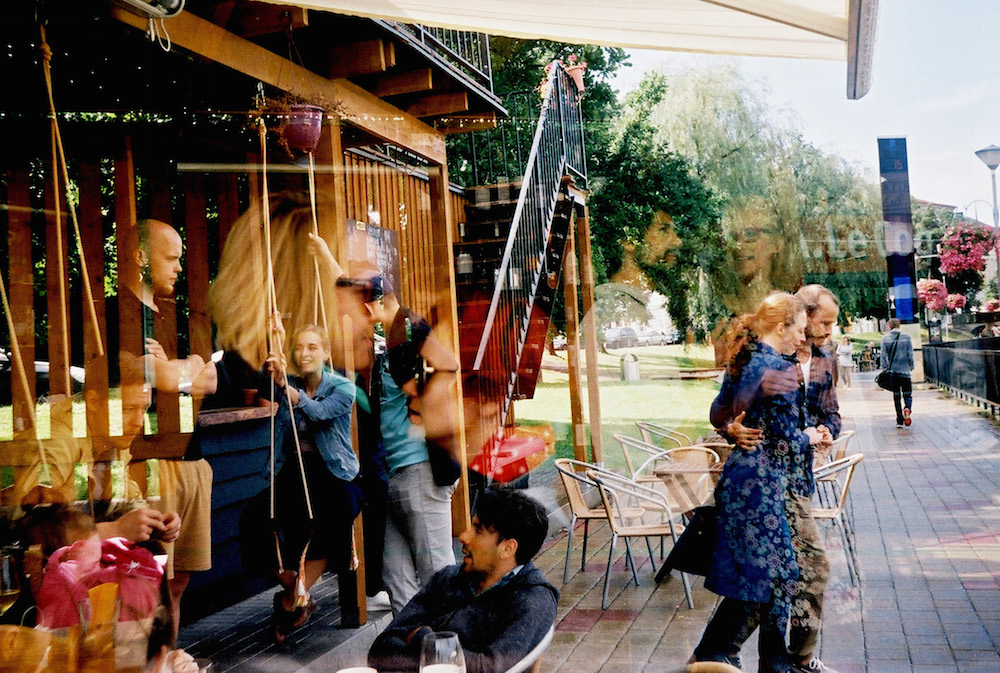
Professional modern urban management and urban planning mean that urban mobility is developed fully by investing in public transport, along with guiding businesses and residential areas, so that different aspects of urban life support one another
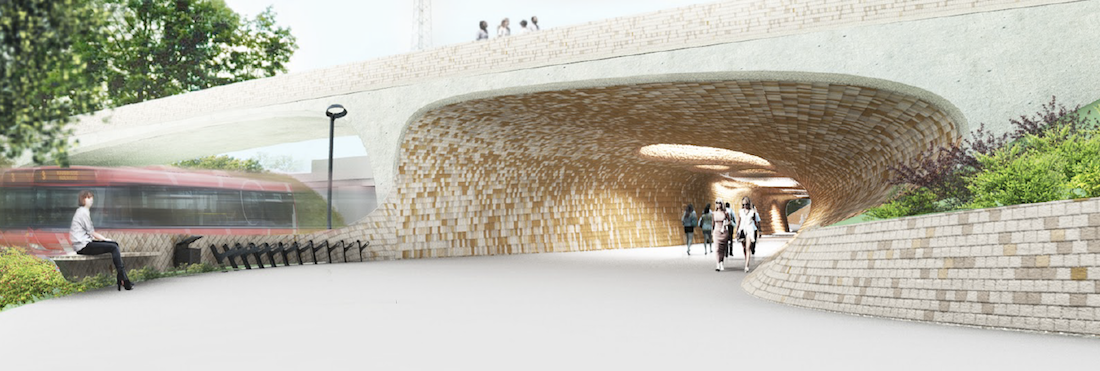
How to make a traffic junction that currently spurns carless commuters more inviting and enjoyable? Is it possible to achieve this with the help of road user capacity, distance, decibels or lumens? Or perhaps architecture has some kind of role that cannot be measured in numbers but which will accomplish the desired goal?

One thing that is shattering Annelinn’s negative image is the “switching on” of spaces that to date have gone without a programme. A good example is the square in front of the garage complex on Anne Street, which flirts with its old image but also with new values, acting like a buffer between different ways of thinking. It is not clearly defined what kind of activities or target audience the stops and rest spots should accommodate – there is a certain flexibility, various methods of use and room for interpretation